
By Lysander Edmonds, Hamish Newman and Jordan Pounartzis

Teachers and schools are having to reassess what the under 16s social media ban might mean for students and children.
It is expected that the rollout of the ban will not come without issues.
Several experts having mixed feelings.
The general sentiment is that something should be done about children’s unrestricted access to potential harmful content, but by taking away social media access, young people’s access to different communities will be affected, and they won’t be as prepared for the digital world.
It also requires the ban to be effective at its job.
Concerns are shared by Australian school leadership now that YouTube has been included into the ban.
Marist College Deputy Headmaster, Liam Stakelum, says that the ban will prevent harm towards schoolchildren.
He believes YouTube’s problem is more to do with its addictive nature than the actual content on the platform.
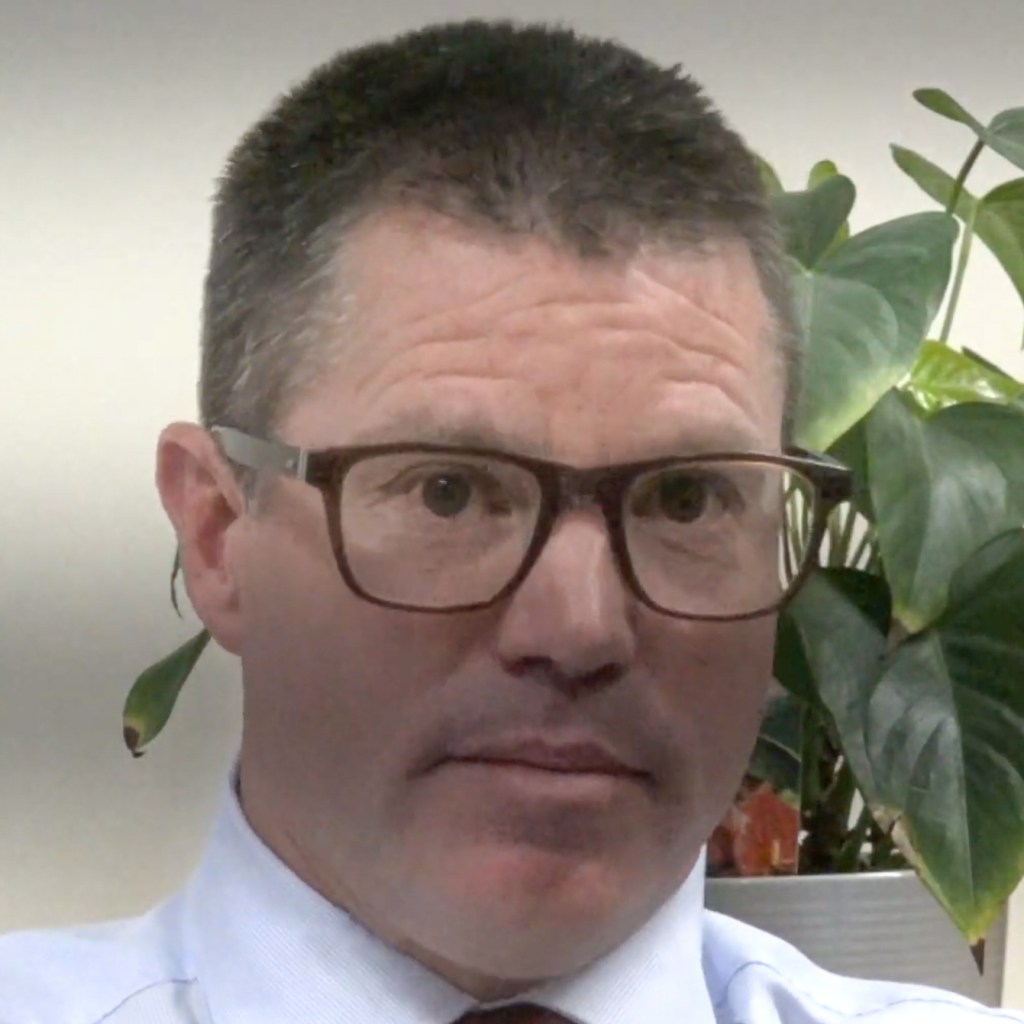
“It’s changed the way students digest information, probably for the worst,” Mr. Stakelum says.
“Small snippets, small dopamine hits…if the ban then prevents that, then I think that’s a good thing.”
Mr. Stakelum estimates that between 20-30% of teaching resources use YouTube and that this will cause problems for students.
“That’s [YouTube] still accessible from a teacher’s point of view but setting any type of homework which requires them [students] to look at it would probably be more problematic,” Mr Stakelum says.
“There’s other programs that we can use, but none with the resource bank that YouTube has.”
Mr. Stakelum says that Marist College is hoping the new legislation can be used as a “catalyst” to help enforce the school’s mobile phone and social media usage policies.
“We’ve had nearly 150 man hours already this year spent on policing mobile phones.”
“I don’t blame parents, I don’t blame students, because they’re addictive devices,” Mr. Stakelum says.
St. John Paul II College Assistant Principal Jacob Knowles agrees with the decision to include YouTube in the ban because of a lack of the platform’s regulation.
He says that the impact on students all comes down to how well the ban is executed.
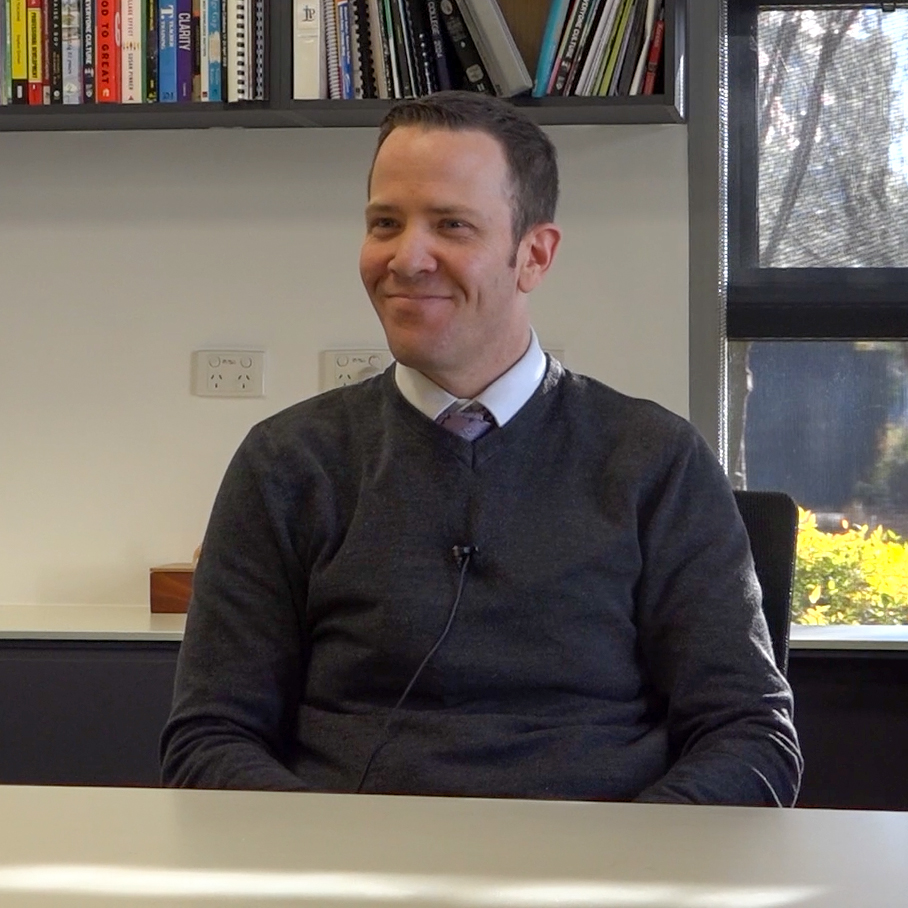
“Schools think it’s great, you know, you just ban things on the WiFi, you have your ContentKeeper come up and say you can’t access this.”
“Pretty simple, hotspot your phone, you bypass the network, you can watch whatever you want,” Mr. Knowles says.
“Ultimately… if’ it’s not done really well… they’ll find a way around it.”
“If it’s really good, there’ll be a period of internal struggle… but in the long run, they (students) will be able to get through that.”
Mr. Stakelum and Mr. Knowles both say the Government has not contacted their schools regarding the social media ban.
The consensus seems to be that the ban will have some positive effect on keeping children safer online.
Next year teachers will have to engage in new discussions with their community in relation to social media addiction and mobile phone use.
It may not be the school’s responsibility to police the new rules on under-16s, but it will certainly change some of the conversations that are had with parents to keep their children off banned platforms.
Especially when it comes to restricting children from accessing material that is shown to be harmful.