
By Lysander Edmonds, Hamish Newman and Jordan Pounartzis
With Australia’s social media ban coming up fast, there’s still uncertainty amongst Australians.
There are two big questions that need answering; who will end up enforcing the ban, and how effective will the ban be?
The recent inclusion of YouTube within the ban has the potential to shake up how schools deliver content to students according to several ACT vice-principals.
Other platforms could still be included in the ban following recent statements made by eSafety commissioner Julie Inman Grant.
These other platforms could include Reddit, Discord, and even WhatsApp and Roblox.
In 2024, the Online Safety Amendment (Social Media Minimum Age) Act 2024 passed through Australian Parliament.
From the 10th of December this year Australian law will require social media companies to set a minimum age limit on their platforms.
They will have to show that they are taking action to remove the accounts of users under 16.
The eSafety commission states that children need protection from digital content.
They found that 74% of children aged between 10-17 had experienced online harm and over 53% had been cyberbullied.
An ‘Age Assurance Technology Trial’ commissioned by the Federal Government shows that the different methods of age verification are by no means flawless.
However the report also states that the ban can be implemented despite the difficulties in doing so.
University of Canberra Senior STEM Educator, Dr. Holly Tootell, says there are some problems with the Government’s approach.
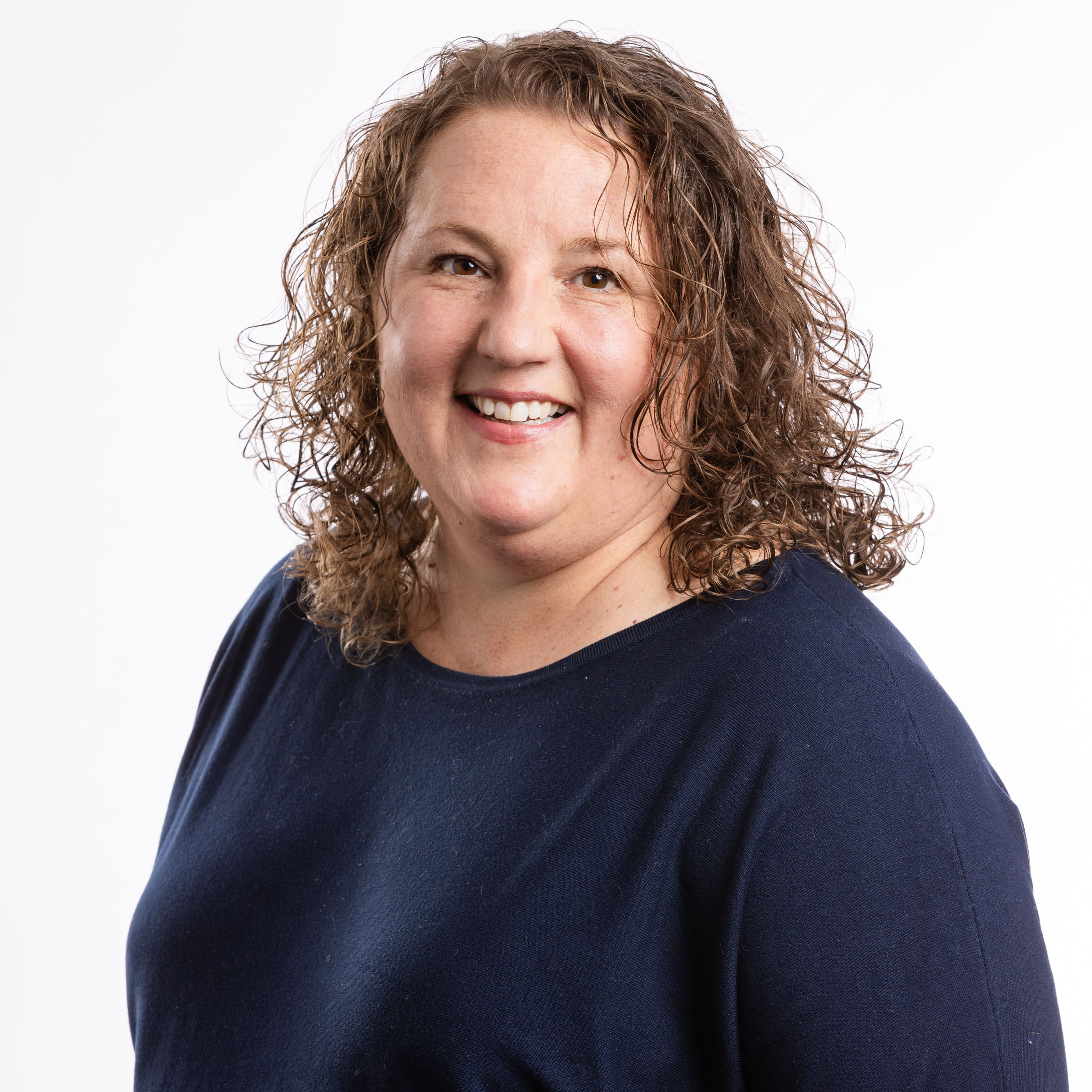
Dr. Tootell stresses that there are a current lack of social media content restrictions.
Although she says the Government’s approach is unlikely to be a fix-all situation.
“I don’t think that we’ve properly addressed the data… I think the ban on mobile use at schools has made big inroads into the damage that can be done…”
“…but making blanket rules doesn’t always work,” Dr. Tootell says.
“There are going to be implications and knock-on effects that we haven’t foreseen, and I think our government has to be open to receiving feedback once it’s in action.”
She says that parents are required to remain aware as they play a key role in educating their children about the risks of digital content.
“As a parent, you still have a responsbility to raise your child.”
“I’m already getting pushback from my children, but it’s part of my job to say ‘no, we’ve got legislation in place now, that’s been through to protect children under 16.’”
Students will no longer have access to YouTube after a reversal by the Government to include it within the ban.
It’s often used as an educational resource at home and in the classroom.
Dr. Tootell is concerned about the negative impacts the ban may have on students and teachers.
She agrees that it’s correct to put responsibility on the social media companies to act against online harm.
However she is wary of repercussions that YouTube’s inclusion could have on teachers and students at schools.
“When it’s [YouTube] used in a learning context by a teacher, the ban or the delay in approvals of children under 16 using it, is going to add more work to the teacher’s platform to make sure they’re embedding and using videos in an effective way,” Dr. Tootell says.
“The YouTube ban is going to add to teacher’s workload, I don’t think there are universal workable solutions available to everyone…”
“…by adding YouTube in, it is going to make problems for equity of access for children who don’t have access to other sources of information.”
Dr. Tootell says while students may still have some access to YouTube in the classroom (as they aren’t required to log in), students will be affected at home by the ban.
“They’re now no longer able to curate their own study lists, or materials that help them with their work, so I think they are going to feel an impact, for not much benefit when it comes to YouTube.” she says.
The ban is set to come into effect on December 10, 2025.