
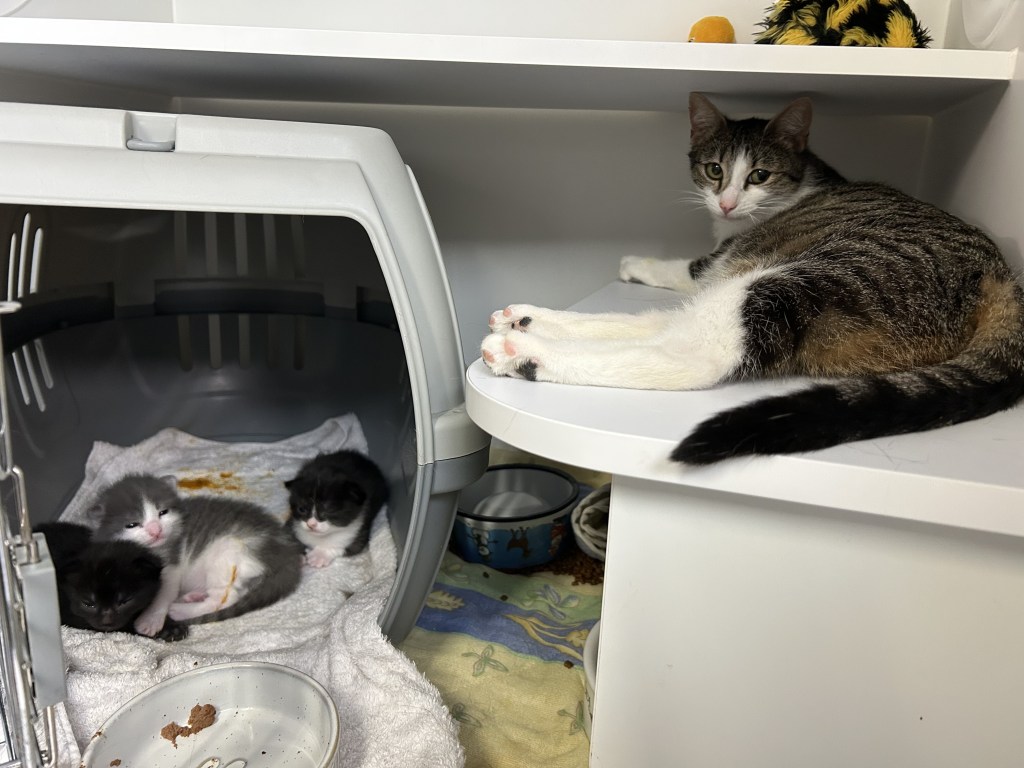
Warning: This story contains details which some readers may find distressing.
We all know of ‘Man’s Best Friend’ and our feline companions, with many of these domesticated animals becoming new family members for people all over the ACT.
However, a recent media release from the RSPCA ACT branch in Weston has urged pet owners in the ACT to ensure they get their dogs desexed, as the Canberra community sees a large number of puppies born recently.
While backyard breeding is a major issue that is contributing to the number of animals in shelters, isn’t the only circumstance that is leading to pets and domesticated animals to be surrendered.
Phil Staley, the Communications Officer at RSPCA ACT in Weston, says that there has been a large number of puppies and kittens coming into the shelter;
“We’re at capacity the whole time here in Canberra.”
In the Weston shelter, there are only 32 kennels, and a few yards for dogs, and only spaces for around 40 cats, but Phil Staley says that it is “nowhere near enough for us to have all the animals here.”
The reasons for household pets and domesticated animals to be surrendered to animal shelters such as the RSPCA vary, and can include puppies born through backyard breeding, animal abuse, animals found on the street, or a change of circumstances for the owners where they are no longer able to continue to keep them or afford them. Even a death could mean a very beloved pet is being sent over to the RSPCA for rehoming.
The RSPCA’s National Statistics for the financial year of 2024/25 revealed that the ACT had 595 dogs come to the Weston shelter.
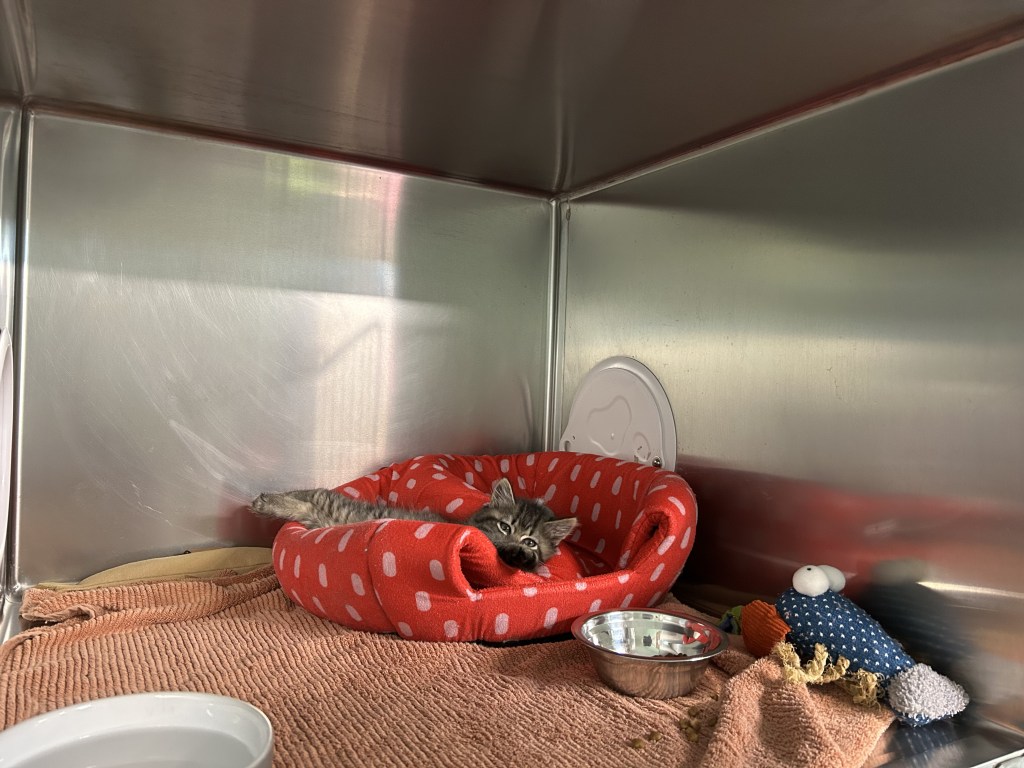
Cats have also been filling up spaces in the RSPCA ACT’s Weston shelter’s cattery, according to Staley;
“From September this year to September last year, they saw a 300 per cent increase in kittens.”
The RSPCA ACT is preparing for kitten season, the time of year when most kittens are born, which usually starts when the weather warms up in late October/early November.
Backyard Breeding
The increased number of puppies being surrendered to the RSCPA ACT’s Weston shelter is partially due to the number of puppies that are born through intentional backyard breeding, where the breeders don’t provide adequate care for either the mother or the babies.
This includes failing to look after the mother’s and her babies’ health, wellbeing and needs such as providing food, water, or medication for the animals if it becomes necessary.
One of the issues with backyard breeding is the overpopulation of the animals in the community, where the unwanted litters are eventually surrendered to animal shelters such as the RSPCA.
Animals born from backyard breeding can also be inbred, which can lead to the offspring being born sick or deformed, leading to even more surrenders.
Puppies born through backyard breeders often develop a series of issues, which can include physical deformities, genetic defects, and diseases from week immune systems.
The RSPCA has seen a case where puppies were born at the shelter without a jaw.
“It’s a strain on our resources,” Staley said.
This issue isn’t only seen in dogs; there have been cases of deformities in other domesticated animals such as rabbits and ferrets.
In the ACT, the 2010 Animal Welfare Code of Practice says;
“all dogs older than six months of age must be desexed unless the owner holds a permit… to keep a dog that is not desexed.”
Animal breeding is heavily regulated in the ACT, and owners are required to obtain a breeders licence from the ACT Government to be able to practice.
In the ACT, it is an animal welfare offence for an owner to engage in the “intensive breeding” of animals.
Education and Animal Ownership
It’s also true that pet owners can sometimes lack the knowledge of how to properly care for their animals.
Some pet owners may not know about the needs of their animals, such as the importance of desexing them, or the best fit diet and exercise.
“Our number one thing is education”
Phil Staley, RSPCA ACT
The resources for education on the RSPCA website are extensive, and include a ‘RSPCA Knowledgebase‘ described as a “source of animal welfare science, advice and information”
Owning Animals in a Cost-of-Living Crisis
The rising cost of living has also proved to be a challenge for some pet owners, as many are struggling to afford and care for their pets particularly if veterinary expenses are involved in the equation.
A 2026/27 ACT Government pre-budget submission from the Australian Veterinary Association says that 12 per cent of pet owners required financial assistance for the veterinary care of their pets in 2025 and expressed concern that financial issues made it more likely to either surrender their pets or skip necessary vet appointments.

Some animals have been surrendered to shelters because owners can no longer afford to look after them properly.
The cost of living is also a factor in why so many animals haven’t been desex, as their owners simply can’t afford to pay for the procedure.
Phil Staley says the RSPCA ACT recognises “that it’s not cheap to desex your animals.”
Pets and domesticated animals can also be forced to be surrendered to animal shelters if there is evidence that the owner has been neglectful or abusive towards the animal, which calls for their immediate removal from their owner, but that is a last resort.
But how does an animal welfare group fix the cost-of-living crisis?
The RSPCA ACT’s Community Pet Pantry
The RSPCA ACT has launched a community pet food pantry to help struggling pet owners with the cost of living.
The pantry, which has been running for over a year, was set up to assist pet owners in need across the ACT by providing them with pet food for free.
“We never, ever want to hear about a situation where someone’s deciding whether or not to feed themselves or their pets.”
Phil Staley, RSPCA ACT
The pet food for the pantry comes from community donations to the RSPCA shelter in Weston, and is then distributed between participating community organisations across Canberra.
People can reach out to any of the 12 community organisations across Canberra that the RSPCA has listed on their website to donate.
Volunteers and Foster Carers
The RSPCA ACT has around 500 volunteers, with up to 300 of those volunteers at the shelter, and around 200 that are foster carers. And Phil Staley recognises the heavy lifting they do;
“We simply can’t operate without them.”
The majority of animals in the RSPCA ACT’s care are in foster care, where they are looked after by volunteers. This frees up space for more animals at the shelter, helping to mitigate the overcapacity issue.
RSPCA ACT CEO Michelle Robertson has recognised the contributions of volunteers to the RSPCA ACT in a Volunteer Week media release, where she said;
“it’s because our Volunteers consistently show up, that together we ARE making the world a better place for animals.”
Robertson also acknowledged that the volunteers provide around 1,400 hours a month of help to the shelter.
Emergency Boarding
The RSPCA ACT’s Weston shelter also has designated spots for animals to stay when their owner isn’t able to look after them because of an emergency or extenuating circumstances.
The free Pet and Family Assistance Emergency Boarding program has been set up to help pet owners who might be in circumstances such as being in hospital, fleeing from domestic violence, in jail, or have other reasons for why they can’t take care of their animals.
What Can You Do?
While the task of looking after countless animals in the Canberra community isn’t easy, the RSPCA ACT and their volunteers continue make sure that all animals in Canberra are cared for.
Volunteer applications for RSPCA ACT will reopen in January 2027, but foster carer applications are open year-round.
You could donate to the community pet food pantry, or donate to the RSPCA or any other local shelters – it could make a great Christmas gift for you animal loving friend.
And obviously, if your lifestyle permits, you could adopt a new furry family member.