
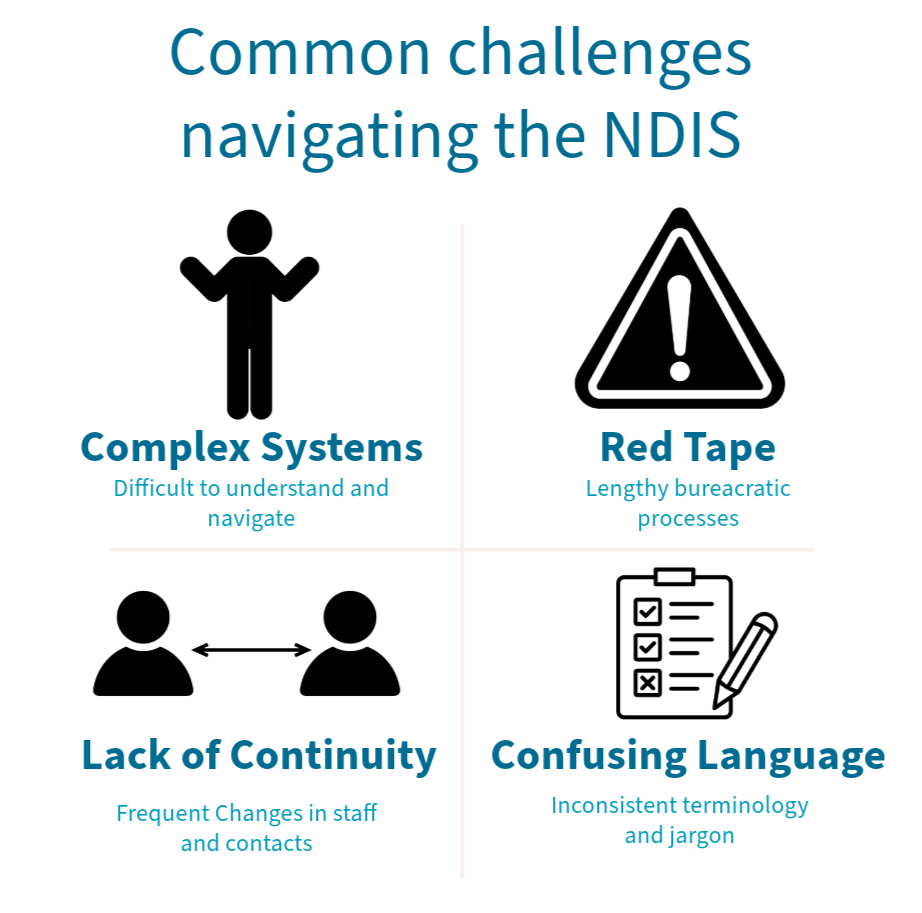
Accessing disability support through the NDIS in Australia has become increasingly difficult, with many giving up entirely due to complex systems and overwhelming red tape.
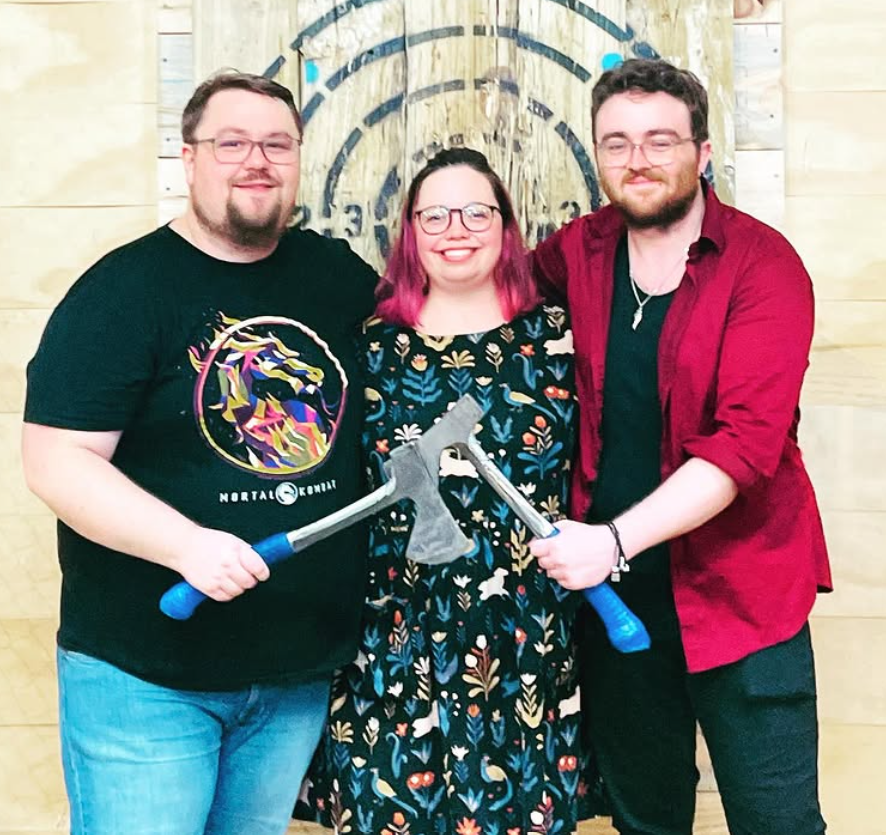
The Upstream Collective is working to bridge the gap between disabled Australians and the NDIS.
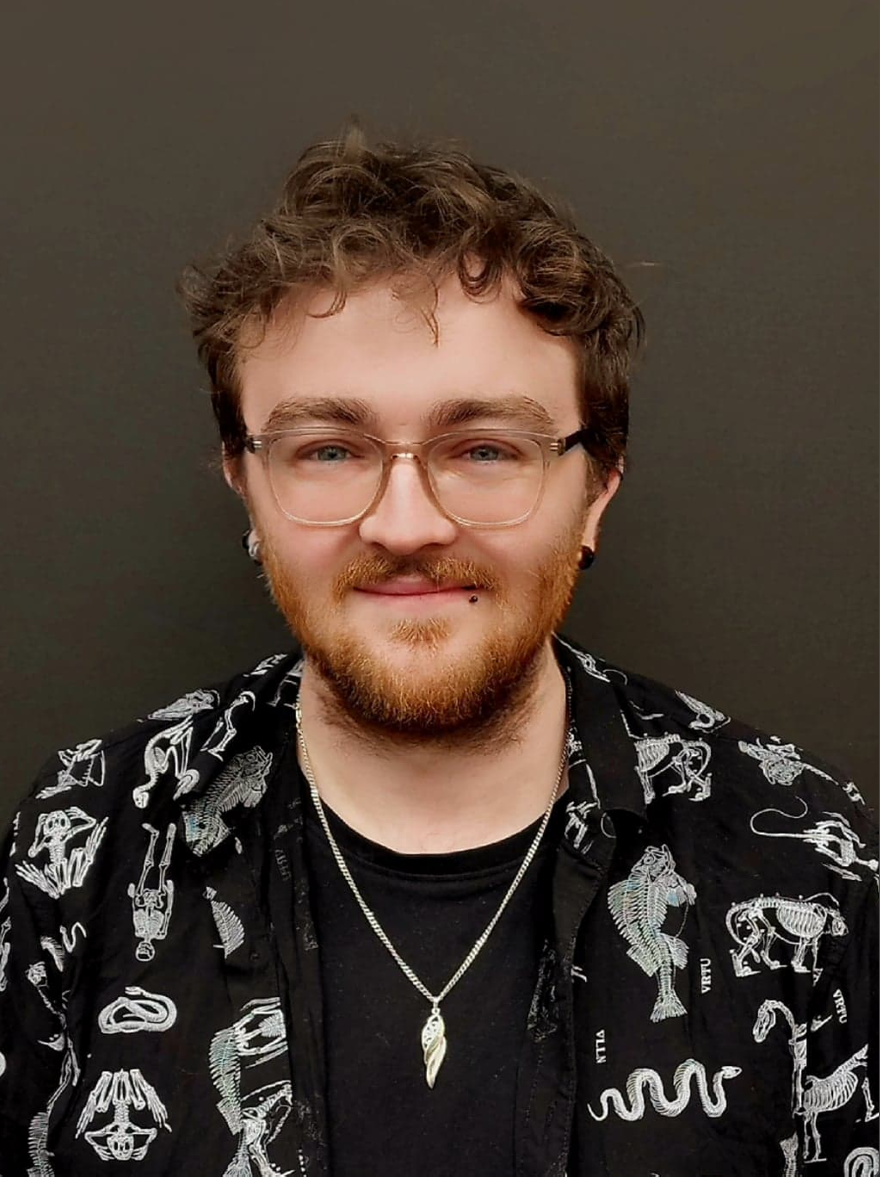
Alongside his team, Adam Hale is committed to advocating for those in need and creating a more accessible, streamlined path to support.
Adam began his career in the disability sector nearly 15 years ago as a school psychologist. Feeling stuck in that role, he transitioned into positions across several disability organisations before eventually working within the NDIS itself.
Along the way, Adam and his colleagues Chris and Corin identified deep cracks in the system and became determined to tackle the issues head-on.
Q: Can you tell me the story behind The Upstream Collective? What sparked its creation?
A: So Chris, Corin and myself, we were all working for Feros Care and we always kind of discussed how great it would be to have a business because we get to see it from both sides of the spectrum and be like, hang on a minute, we could make a change. Chris jumped first and started the Upstream Collective.
I guess the spark of it was we kind of were a bit cocky and we’re like, we can do better, you know, we can offer more. And so we did, we offered more, we did better and we strive to do better all the time.
Q: You and your co-founders bring a mix of lived and professional experience, how has your personal journey shaped the way you approach disability support?
A: I have been formally diagnosed with depression, anxiety, ADHD, autism level one and fibromyalgia, so I have my own kind of disabilities that affect me day to day and I can use that internal knowledge that I’m learning from my own journey to support other individuals within their own disability journey.
Q: Why was it important to create something participant-led, rather than working within existing structures?
A: Yeah, it was really important to have a community focus based on what the participant needs. What we see so often is that particularly within NDIS, as they say, they are participant focused. At the end of the day, they’re not because the participant is always the first person to suffer. We genuinely believe that we could have proper meaningful conversations with participants about their lives in all aspects to be able to support them the way they want to be.
Q: You describe your support as “hands-on”. Can you walk me through what that looks like day-to-day?
A: So, hands on day to day, it could be anything. For some of us, we do Google spreadsheets with our participant and they might do like a red, green, yellow column. So they might put red things are long term, I want to work on this over a year with you. Orange is short term, so like three months or six months. Then green is like, I want to do this today. This is immediate things. It’s not about us coming in and saying, “today we need to do these things”. It’s about “what do you want to do today and how can we achieve it your way?”
Q: What are some of the biggest pain points you see people face when navigating the NDIS?
A: Dealing with the NDIS themselves is one of the biggest pains. Ultimately, I think it’s the confusion. The NDIS uses really particular language, but then they’ll use different language for participants.
It can also be the fact that it’s hard to put a face to NDIS. You might be dealing with one person one day, another person the next day. So you never really have one singular contact that you’re able to communicate with, where you can be honest and say, “hey, this thing happened and this really sucks and this didn’t make me feel good”, but a lot of people don’t have that option because there are too many workers in it or not enough workers and you get shoved around or people quit, which as we all know is part of life, that things change.
The NDIS changes at such a drastic rate that it’s actually hard for people to keep up, let alone individuals with a disability of any sort, especially if they don’t have someone to help advocate for them.
Q: How do you support participants in overcoming those challenges, whether it’s with bureaucracy, assessments, or access to services?
A: So we have a meeting with the participant and we will discuss with them what their needs are, and then we’ll look at the legislation within NDIS to try and figure out what best routes to take.
It’s kind of like a jigsaw puzzle and we’re just trying to figure out which pieces go together the best so then we can actually hand something to our participant and say “This is what we can do”. So we reach out for them, but mainly with them is the idea. So it’s because you have like this inner knowledge of the NDIS, you’re able to work around it.
Q: Do you think the current NDIS system allows enough room for truly person-centred care?
A: No, not at all. Mainly because when you’re thinking about person-centred care, you need to be talking to the person. A lot of the time, unfortunately, NDIS doesn’t have the time to speak to the person. So they talk about it and say, “Oh yeah, we would love to like do this and do that”. But nine times out of 10, they’re speaking to our participants maybe once a year. And that’s after we’ve already requested meetings, phone calls, emails, anything we can.
Q: Why is that?
A: I think person-centred care cannot be delivered by NDIA under their current model due to the fact that they are so rigid and it is about numbers and the math and it’s a government organisation. And as we know, a lot of government organisations fail in regards to being person-centred because there isn’t any way to communicate or you don’t have a single person of contact where you can actually discuss how you’re feeling.
Q: Can you share a moment or story that captures the impact of your work on someone’s life?
A: I had a participant who was living in squalor. It was really awful for them. They had a support coordinator, they were in the NDIS, and no one checked on them. No one kept tabs. So when I finally got a call from a friend of mine to say, “Hey, I’ve got this individual. They’re on the scheme, but they have no support,” I walked in. I was able to get them some support, among other things. Now they’re living quite happily. They have a beautiful three-bedroom house, they have pets, and they’ve been able to get custody of their child again.
Q: If you could change one thing about how disability support operates in Australia, what would it be?
A: Oh, one thing, that’s a tricky one. There’s a few things I would change, but ultimately I think how NDIS is structured. I think NDIA needs a huge reboot. It needs to be looked at and it needs to be discussed and formalised. And I think the best way moving forward for that to happen is us, the people, actually listening this time. I think ultimately a lot of things fall on deaf ears because people don’t understand or it gets fear mongered, especially in the news recently.
Q: Where do you see The Upstream Collective going in the next few years?
A: We would really love to become partners with NDIA. Our ultimate goal would be to help collab on a lot of things, be able to communicate, be that voice of reason, that voice of understanding, and be that direct link between the people and NDIA to be able to support them through everything. So ultimately I think even though we are going up and up and up every day, our goal was to really have a voice in the NDIA and be able to support them as well as participants to make sure we can work together to make something truly beautiful.