
The Indian myna is a bird that’s all too familiar to the city of Canberra.
Officially declared a pest in 2021, an ACT government inquiry says the Canberra Indian Myna Action Group (CIMAG) should be recognised for controlling the bird’s population.
But for CIMAG, recognition isn’t solving the issue.

Originally introduced to Canberra in the ‘60s, the bird quickly adapted to the growing city, now making its home in suburban backyards and town centres.
Since 2006, CIMAG has been contributing to the decline of Indian mynas in suburban areas through the use of their traps.
While CIMAG contributes to the decline of population in suburbia, spaces like nature reserves and public areas are most worrying.
President of CIMAG, Bill Handke, says they want the government to manage mynas on public spaces.
“We don’t clamour for either recognition or money from the government. What we really want is for the government to actively manage mynas on their property,” Mr Handke says.
“Around urban areas, there’s plenty of birds which we can’t trap because they’re on ovals, road verges, urban parks. They’re around the hospital, around the airport, industrial areas.”
“Even if we clean up all of the birds in backyards, urban areas are the refuge for myna breeding.”

Indian mynas are known for their aggressive behaviour, which is an issue for other native birds and wildlife. Mr Handke says the aggression increases competition around nesting.
“Research done by Chris Tidemann, from the ANU, found that Indian mynas compete with, say crimson rosellas, they would win out half of the time. If they were competing with eastern rosellas, they’d win 100% of the time.
“They’ll occupy the nest; dispose of the chicks and they will drive small birds out.
“People in Canberra like small birds in their garden, so when Indian mynas come in and the small birds disappear, the impact on bird life can be quite noticeable.”
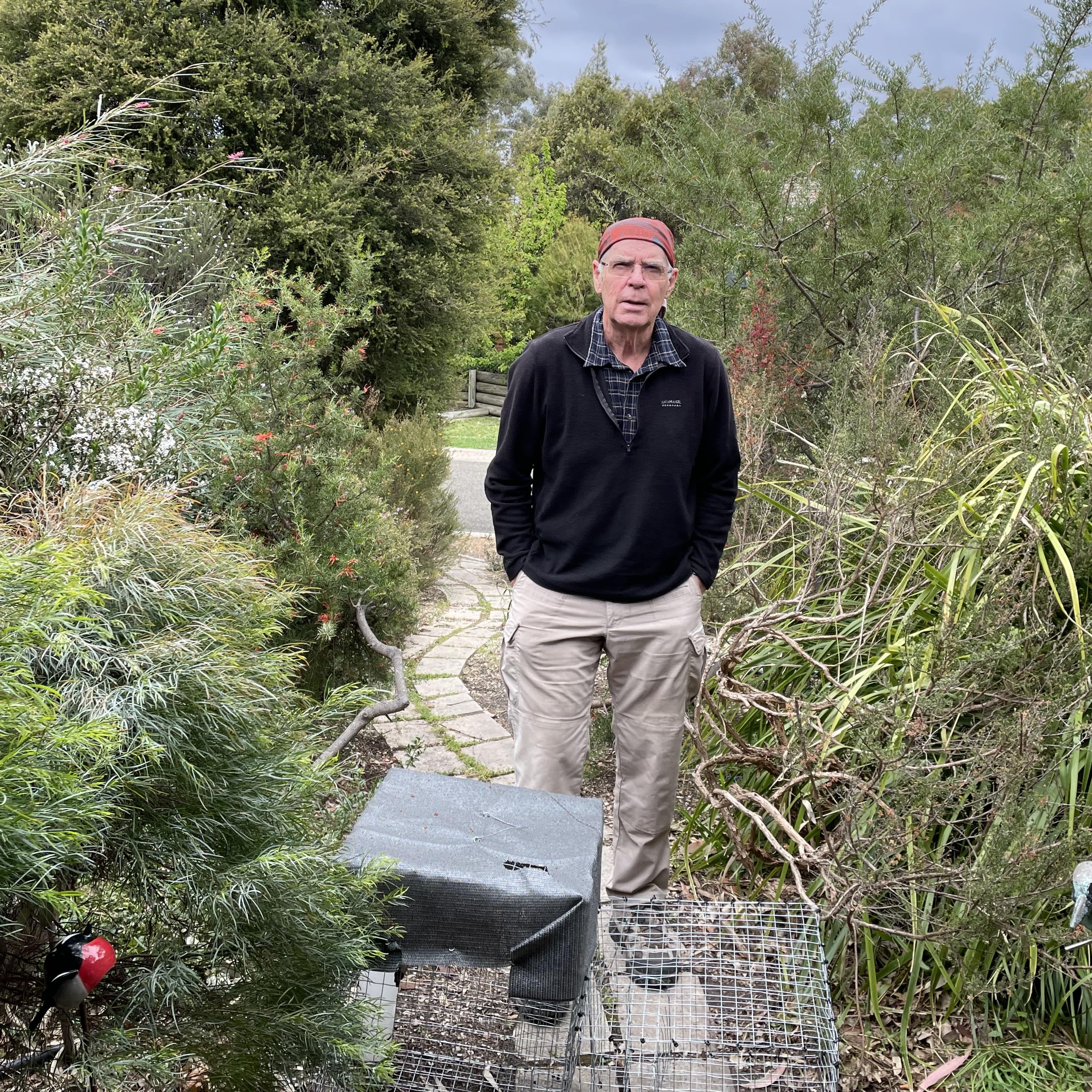
Part of CIMAG’s population control is through their backyard traps. Once trapped, the birds are euthanised using carbon monoxide.
While the government’s submission and other animal activist groups criticise this method, Mr Handke says other options are inhumane.
“It’s based on research, again from the ANU, that found using a cars exhaust, which emits carbon monoxide, was very fast.
“The birds were stress-free, and it was painless for them.
“Another option of carbon dioxide takes twice as long and is essentially starving the birds of oxygen. It’s very stressful for the birds.”

Despite being a pest, the ACT government says there’s little evidence on mynas causing significant harm to threatened species and conversation estates.
A statement attributable to an ACT Spokesperson says the government adopts a risk-based approach to managing pest species.
“While Indian mynas are indeed a pest, research by the ACT government and others has shown they are not contributing to the decline of threatened native bird species,” they say.
“The numbers of mynas are shown to be declining in ACT woodlands. On that basis, the government has no plans to develop a specific management plan for mynas.”
Mr Handke says their position is based on a single case of mynas not affecting one nesting opportunity.
“There’s nesting opportunities for superb parrots, which are rare in the ACT, in the Goorooyarroo nature reserves,” Mr Handke says.
“There’s a number of hollows there, which parrots are using for breeding. Because they haven’t seen evidence of mynas affecting them, they conclude ipso facto they aren’t a threat.”
As Indian mynas continue to make their homes in the city, CIMAG can only offer education on why the pest poses risks to native wildlife.