
Growing up in a rural town with sport is a special experience. The local footy fields do become a second home for many.
(Photo: Tahlia Crane)
Rugby league is a sport that fosters teamwork, physical fitness, and valuable life skills. Playing the game builds resilience and discipline, simultaneously providing the chance to take part in a fast-paced, exciting challenges and experience social opportunities.
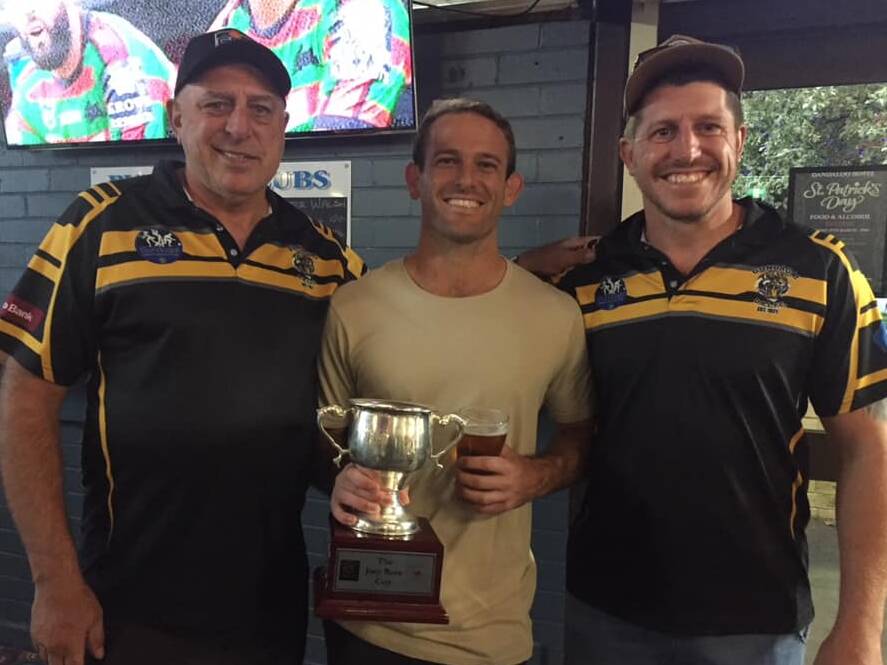
Steve Rose, often described as driven, determined, and a hard-working athlete, grew up in a rural sporting environment and relishes the sport of rugby league. A sport he has played, supported and followed. Many ages, many towns, many walks of life share the same interest in rugby league.
Rose has had the privilege to always hold a connection to rugby league and has been part of numerous clubs in many forms. He has been a coach, a team and representative player, and held the position of club board President. These experiences have allowed Rose to witness and feel the passion of rural rugby league. Some would say, ‘rugby league runs in his blood’.
Rugby league in rural areas can be seen to be the beating heart of the town.
Rose’s experiences in Rugby League have afforded him the privilege to see first hand how rural rugby league can and has produced country kids into the top level, from playing in local teams, to regional representative team and astonishingly for their country. This is rightly acknowledged by many.
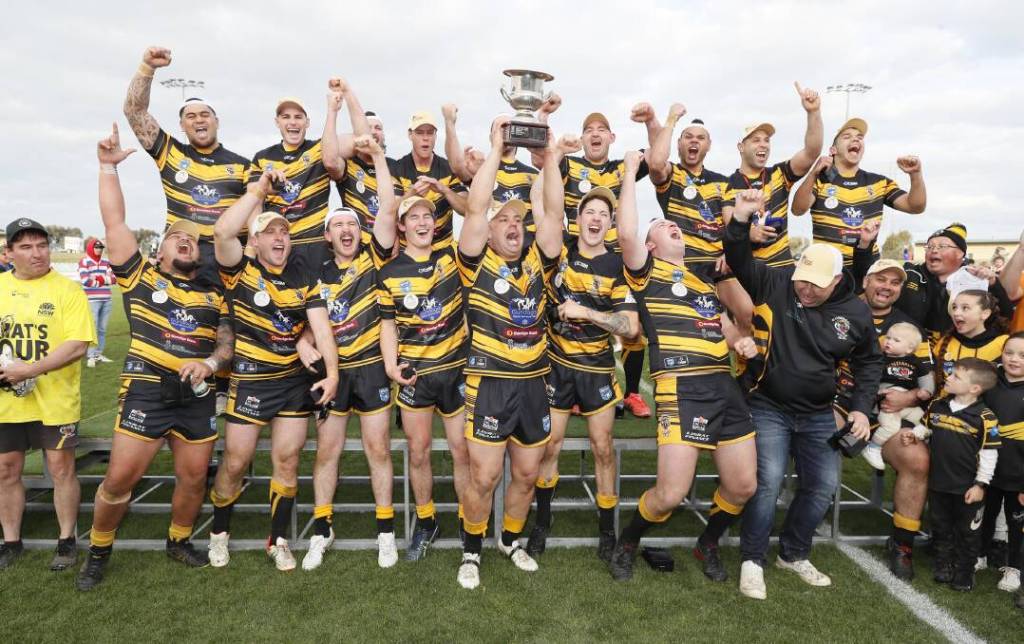
Rural rugby league can be seen as the cornerstone of many towns. The positive outcomes arising from the game in rural towns is insurmountable. Rose has felt the impact over the years.
Q: How important is sport in a small country town?
A: Sport is one of the most important parts of our small town, it brings all ages together and allows everyone to connect over our home team.”
Q: How significant is rugby league to the identity and culture of rural country towns?
A: I think it is very significant. It allows people of all ages to come together and support their home grown team. An opportunity to feel the pride of those representing their community. It is a great way to feel a sense of belonging. Rugby league brings our town together, it creates a culture that includes everyone and brings the community closer.
Q: What role does rugby league play in bringing the community together?
A: At an early age, players have a sense of committing to others e.g. Team mates, supporters, representation and of course a time to express their ability and showcase themselves. It builds character that will last forever. Rugby league brings the community right together, through success of local crowds, sponsors and support of the club.
Q: How do small-town clubs help players transition to higher levels of competition?
A: Players from small town clubs learn very early in life that others matter. It’s not about the individual as much. Therefore, a small town player understands the need to strive harder. Purely because everything is more difficult in a small town. The main reason being isolation. If they are lucky to reach a higher level, players are much more likely to succeed because the challenges of going one step further, has always been a part of their life.
Small town clubs have great volunteer who support players through to the highest level. Not to mention, clubs will do anything to support one of their local players make it to the top. Hands on coaching from a young age is the most important. However, a lot of it does come down to the small town club, rather the NRL scout being able to spot them at the right time.
Q: What does the pathway look like for young players in rural areas who aspire to play professionally?
A: The pathway in small communities is much more difficult to that of someone that lives in a large community or city. Travel and time seem to hinder the country people. A lot of time is needed to spend away from family and friends. There are such strong pathways now for both young men and women. From the age of 15 you get great opportunities to play at a higher level, all the way through to Senior level. Usually, you get scouted into an NRL Club’s junior pathways via club representation or school football.
In saying that, I know that country born children have a great representation on the big professional stage.
Q: What advice would you give to young players in rural areas who dream of playing at the elite level?
A: Stay humble, work hard and never give up. There is such a rich history of international players who come from the area.
Q: Can you share any stories of players who have used rugby league to overcome personal challenges or hardships?
A: Without naming any particular person as an example. From ground level to the elite athlete. There are stories of hardship during childhood and adolescence. Rugby league gives an opportunity for those people to challenge themselves for the benefit of others. This encourages pride & giving. It gives a great feeling of accomplishment and purpose. It’s almost like another family. I Think everyone goes through their own challenges and rugby league in the bush, brings people together and can become a real getaway for players.
As a general comment, I have had a number of friends who have integrated back into football after some time away which has improved their mental health via being back around their friends and being part of a team environment.
Q: Can you identify a notable success story of an elite rugby league player who started in a small country town?
A: One that comes to mind is Cliff Lyons. An Aboriginal man born in Narrandera. He travelled to Sydney to chase his dreams as a young rugby league player. Failing to assimilate in the big city life, he followed his team mate to Gundagai as a 21-year-old. Initially, he found life tough away from his family. Gundagai and his teammates took him in. He played rugby league for Gundagai and played in premiership winning team. He met his wife in Gundagai, and they started a family in later years. After three years in Gundagai, he was spotted by talent scouts and was offered the opportunity to play for the North Sydney Bears. In his first year at that club, he played first grade. The year after he was offered a contract with the Manly club. From there he represented at all levels, including Australia, played over 300 NRL games, and went on to become one of the greatest players the game has ever seen.
Q: Have you seen how sport can influence social change or break down barriers in your community?
A: It brings people from all walks of life together into a team environment which influences social change and can break down any barriers that may be present in the community. The same can be said for members of the community supporting the team.
When on the sporting field no matter who you are or where you’ve come from, your team are all equally important and have to work together to succeed.
Sport is universal and is inclusive for everyone. There is opportunity for anyone and everyone to be involved in sport, breaking down barriers to help bring people together.
Q: Can you share a personal story about how rugby league has shaped your life or someone you know?
A: Rugby league has assisted with all aspects of my life. It teaches resilience, hard work and the ability to work within a team which are all key character traits that will help you be successful in all walks of life. The people I played footy with as a child are still very close friends to this day. I think rugby league shaped me as a loyal person. A person you can rely on and a person you can trust. I owe a lot of my character to the game of rugby league.