
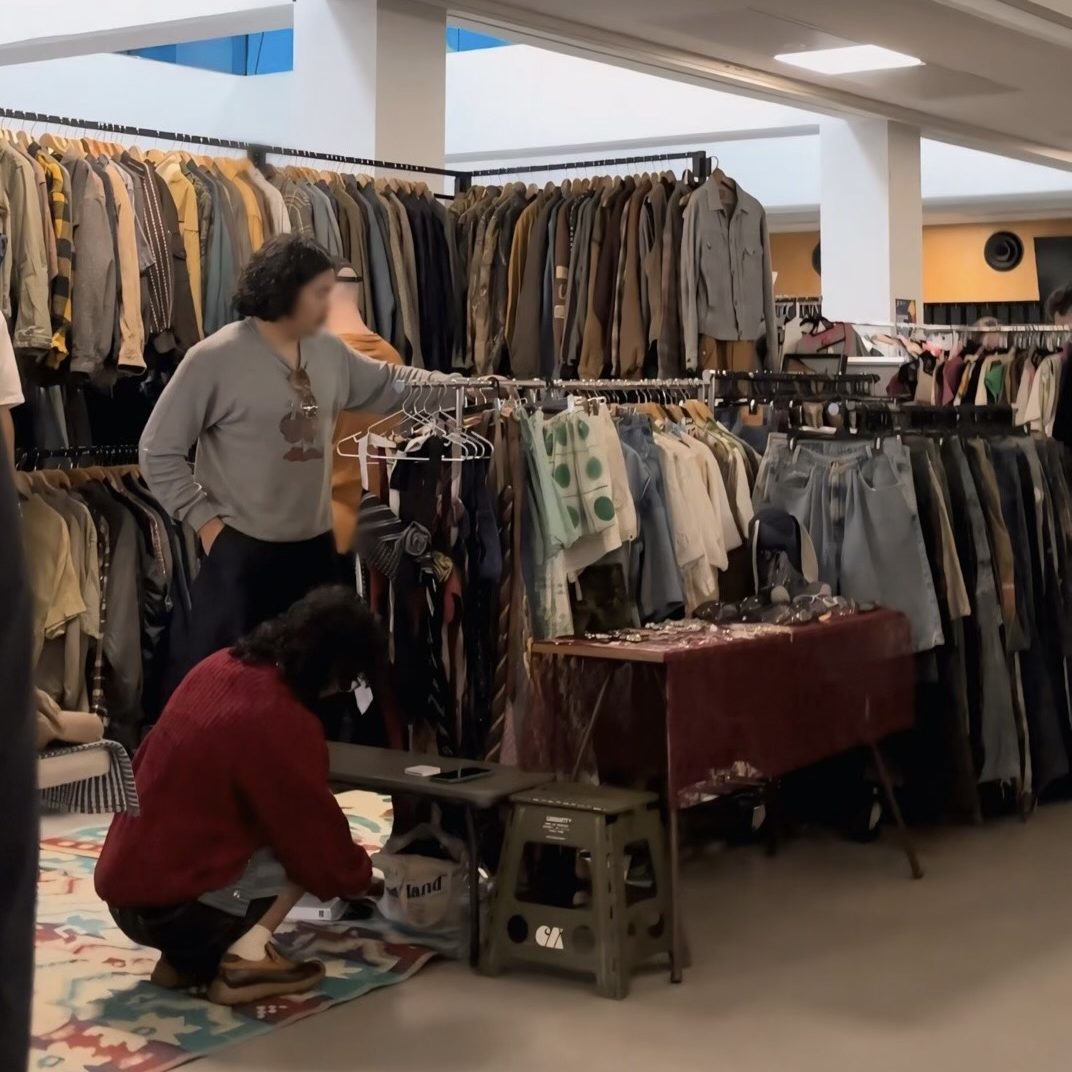
The purpose of thrift stores has always been to offer an affordable and accessible alternative for those who can’t afford high retail prices, providing second-hand essentials like clothing at a fraction of the cost. While this mission still holds true for many thrift stores in Australia, a noticeable shift has occurred. Once for those seeking low-cost necessities, this resource has evolved into a hotspot for fashion enthusiasts, Gen Z in particular, as the popularity of thrift culture intersects more with social media and resale apps like Depop and eBay and changing retail markets.
Why second-hand?
With sites such as Shein and Temu growing in popularity, fast fashion has become impossible to ignore; with cheap, mass-produced clothing flooding stores and online platforms. Sites such as Shein have seen an over 1000% increase in annual revenue and annual users since 2019.
The issue is that while these fast fashion clothes are affordable they often lack quality and durability. On the other hand, high-end fashion has become so expensive that it’s out of reach for most people. In response, many have turned to thrifting as a way to find well-made, unique pieces at a reasonable price. Thrift stores offer an alternative where people can uncover higher quality, often vintage clothing, without breaking the bank, allowing people to escape the fast fashion cycle and micro trends while still expressing their individuality.
UC college student, Quinn, got into thrifting around 2019/2020 during the pandemic when she was spending more of her time online, on apps like TikTok and Instagram, and out with friends. “It’s more fun! The clothes are better quality and I can find pieces no one else has,” she said.
In a 2024 report by ThredUp, they found the market grew to a total of 197$ billion in 2023, which is 18% globally and three times faster than the overall apparel market.
Social media & resale apps
The rise of thrifting has further been fueled by social media platforms with hashtags such as #ThriftHaul and #VintageFind, as well as resale apps like Depop and eBay, making it easier for people to buy and sell thrifted items. Depop, in particular, grew by over 300% in users from 2019 to 2023, from 13 to 42 million registered users, with 90% of its users under 26 years old.
Depop’s social media often showcases look books, trending items, and others’ finds on the app.
Many depop sellers, particularly Gen Z, source low-cost items from thrift stores, style them and resell them at higher prices, often making significant profits. This entrepreneurial approach has transformed thrifting from a simple way to buy clothes into a platform for launching small businesses and side hustles.
Benefits of the rise in second-hand clothing sales
Thrifting and second-hand shopping has numerous benefits to the environment and the sustainability of our planet, offering significant countermeasures to the environmental damage caused by fast fashion. By choosing second-hand clothing, you extend the life of garments, reduce waste like that of textiles, and conserve resources like raw materials, energy, and water.
This shift also helps lower carbon footprint by minimising the emissions from manufacturing and transportation. Additionally, buying from thrift stores supports local economies and small businesses, fosters community connections, and promotes ethical consumption by avoiding any new exploitative labor practices.
The unintended consequences
As thrifting becomes more popular and attitudes towards second-hand goods change, prices at thrift stores have begun to rise to meet this demand. Thrift stores, which once provided a much-needed resource for low-income communities, are now seeing more middle-class and wealthier customers in search of vintage finds and other home products. This surge in demand has driven up prices, making it harder for people who rely on thrift stores for affordable clothing and essentials to find what they need.
In a popular video, YouTuber HayloHayley criticises the high price points in thrift stores, analysing not just the clothing but other pre-owned goods like home appliances. They go on to compare re-sale prices to retail values, finding that there may not be much of a difference. “Going thrifting is the exact same as going to the mall now.” She says.
The future of thrifting
What you can do to help counter these consequences of new-wave thrifting and the cost of living crisis:
- Visit thrift stores in diverse neighbourhoods: Explore thrift stores in both middle and higher-class neighbourhoods if you can afford more. Alternatively, stick to local thrift stores to support your community and avoid taking from others.
- Buy only what you need: Avoid overconsumption by purchasing only what you genuinely need. This helps reduce the demand for more items, which can contribute to rising prices. Additionally, don’t horde because it is cheap, focus on quality and usefulness over quantity.
- Donate regularly: Contribute to the supply of thrift stores by regularly donating items you no longer need. This helps maintain a steady flow of affordable goods and supports the sustainability of thrift stores.
- Repair and upcycle: Instead of buying new items, consider repairing or upcycling old ones. This not only extends the life of your belongings but also reduces waste and demand for new products.
- Support local charities: Shop at thrift stores that support local charities or non-profit organizations. Your purchases can contribute to causes you care about and help address community needs.
In conclusion, there are ways we can all contribute to slowing down the gentrification of thrifting and give back to the thrifting community; a process many of us often take for granted.