
In an increasingly artificial world, Australians are reimagining their lifestyles and urban landscapes to reclaim the night sky.
Adventure cyclist Lewis Ciddor has undergone many long-distance journeys on his mountain bike, from the Australian Outback’s rocky mountains to the Colorado Rockies’ rough ridges.

It was on one of these journeys that Lewis discovered something hidden in Australia’s cities, the night sky.
As he travelled along a remote road, hours away from the nearest sign of civilisation, Lewis was able to take in the beauty around him.
“There’s a big full moon out and … you can just sorta turn your lights out and be guided by the moonlight … it’s a pretty special experience.”
Lewis Ciddor
Unfortunately, this experience is quite rare.
While cycling to a nearby town, Lewis noticed his view of the night sky changing.

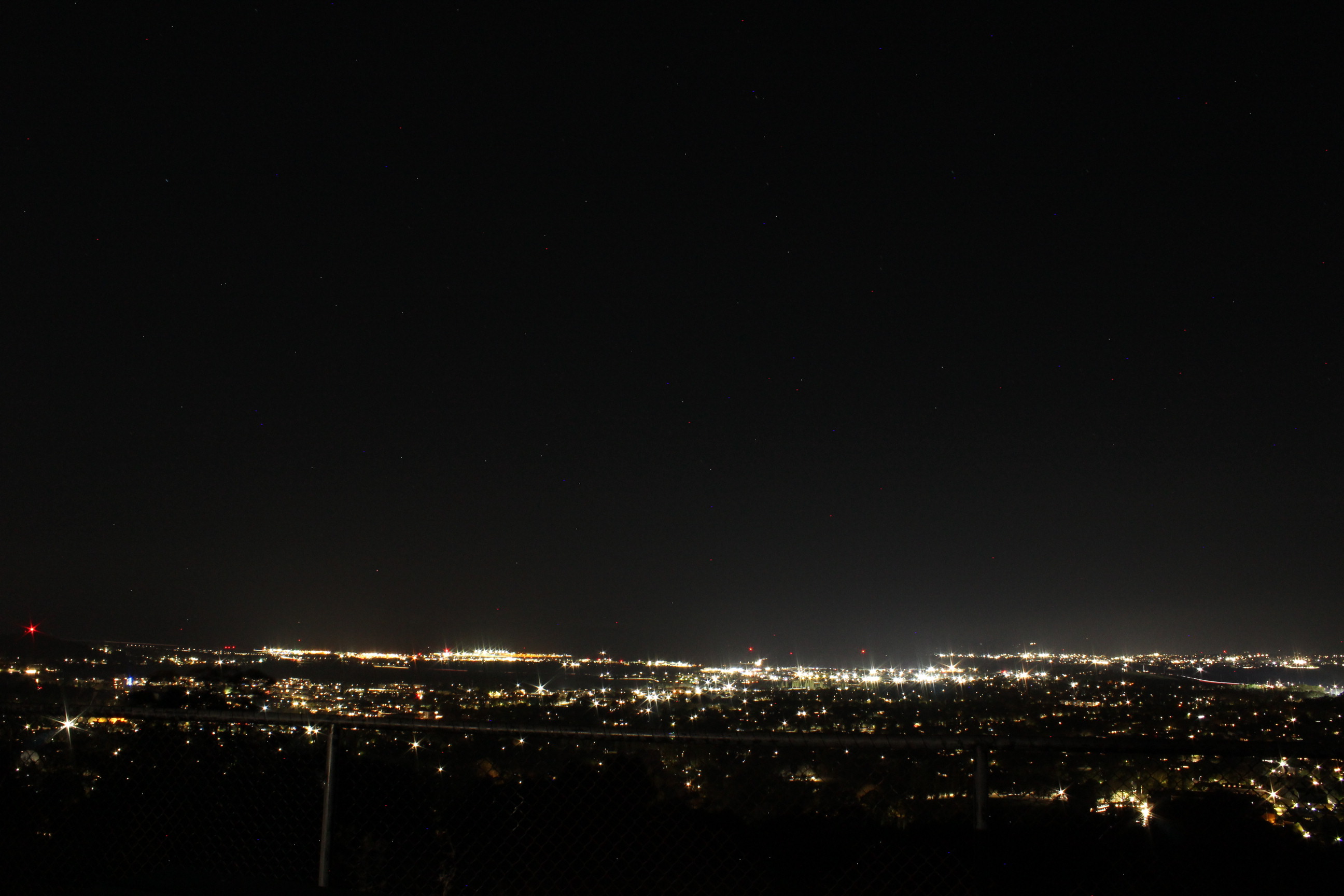
“I was on a ridge line and there was a town 30 or 20 kilometres away, and I saw up in the distance … the light is leaking out of the valley.”
Lewis Ciddor
Lewis’s experience reveals a symptom of industrialised society’s effect on nature, its erasure of the stars.
With 80% of the global population living under sky glow, billions have never experienced a natural night sky.

Light pollution, often seen as a ‘sky glow,’ occurs when large amounts of intense artificial light overpowers the light of the stars.
It comes from a plethora of sources, from the lighting of buildings to streetlights.
Consequently, cities like Melbourne and Sydney are some of the most light-polluted places in Australia.

“You definitely notice as you travel to more remote areas … you get less and less light pollution,” Lewis notes.
“I live in Canberra … and if you ride at night it’s obviously not the same view of the night sky.”
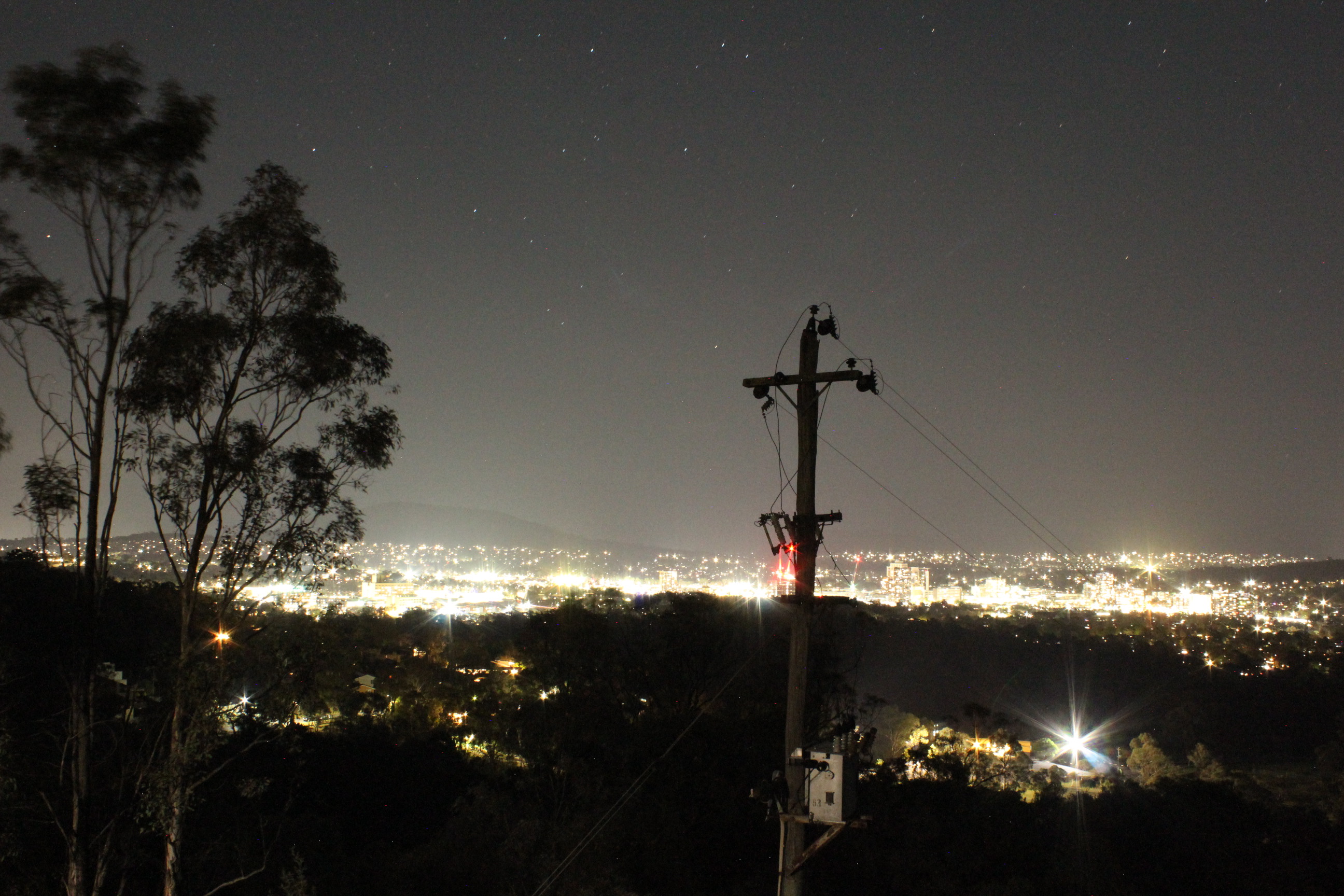
Brad Tucker, an Astrophysicist and Cosmologist at the Australian National University, discusses light pollution’s wide-ranging consequences.

“Light pollution can affect your sleep cycle since sleeping is related to your relation to light,” Brad says.
Human circadian rhythms are disrupted by artificial light, suppressing melatonin production critical to sleep, the immune system, lowering cholesterol and the body’s general function.
This disruption contributes to multiple health problems, from sleep disorders to heart disease and cancer.
“[These things] go beyond our enjoyment of the stars to literally how we live.”
Brad Tucker
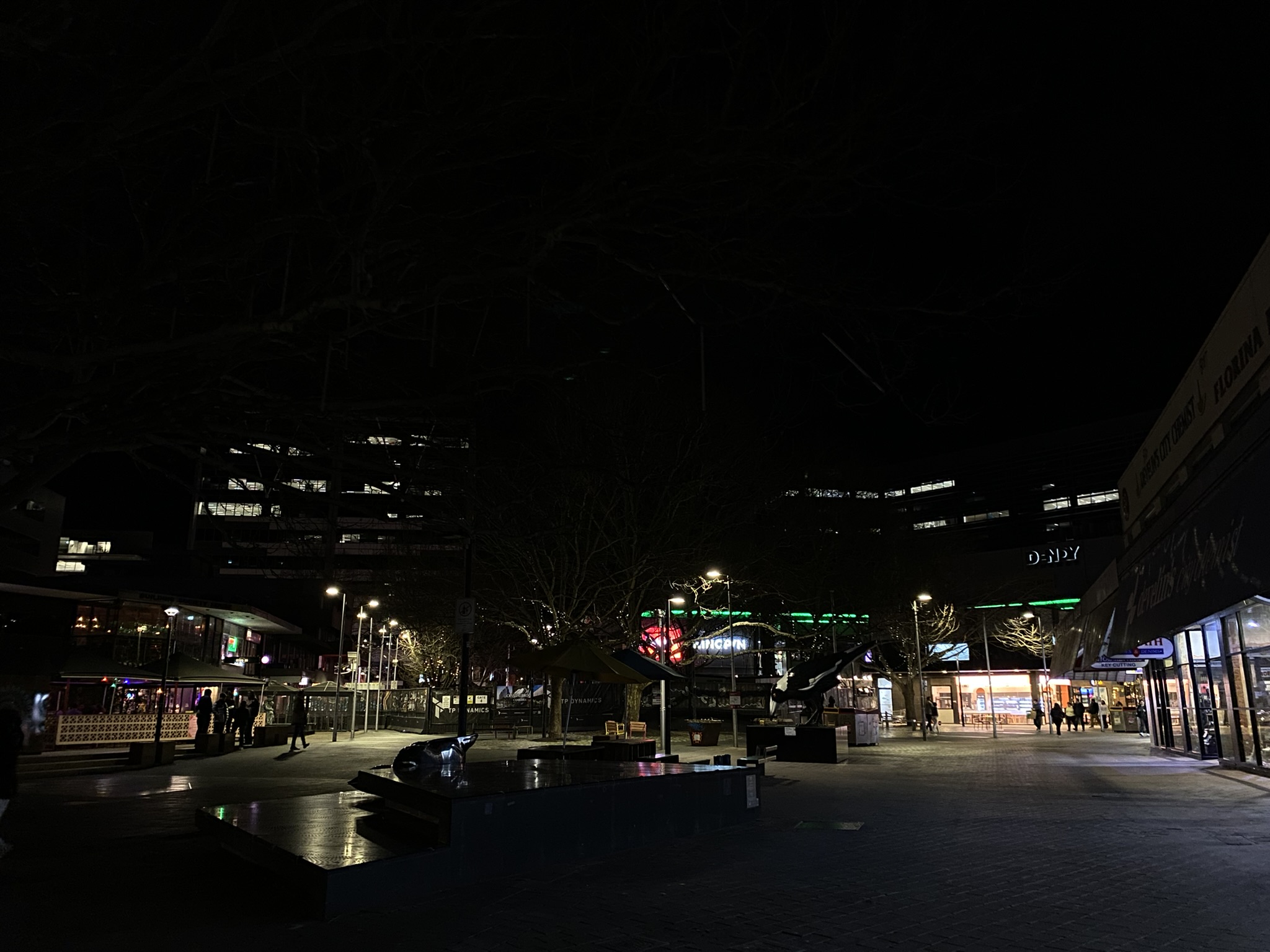
Light pollution even affects the work of Canberra’s astronomers.
While Mt Stromlo Observatory had a perfect dark view of the sky when it was first built, Canberra has grown significantly since then.
“We needed a darker sight … even at Siding Spring Observatory, despite being 450 kilometres from Sydney, you can still see the glow of Sydney on the distant horizon,” Brad says.
“We failed to realise how big and far-reaching some of these light pollution spots can be.”
Brad Tucker

But perhaps the most devastating impact of light pollution is the simplest, its cultural importance to humanity.
Stars have been a source of inspiration since the beginning of human civilisation, inspiring mythology and artwork, guiding navigators, defining calendars and sparking scientific discovery.
“One of the big things that we have with light pollution is losing the ability to see the Milky Way, that ability to connect with the environment we’re in.”
Brad Tucker
In multiple senses, stars help orient humanity, from navigation in the physical world to spiritual and existential revelations.
With this connection in mind, it’s easy to see why Lewis’ trips are an enlightening change of pace to his life in Canberra.
In a modern world full of competing responsibilities and distractions, nature allows one to mentally reset.

Brad describes multiple ways light pollution can be reduced on an individual and city planning level.
“Turning off the lights at night obviously can reduce light pollution … smarter lighting, not using a light outside that goes in every direction or is angled up,” he explains.
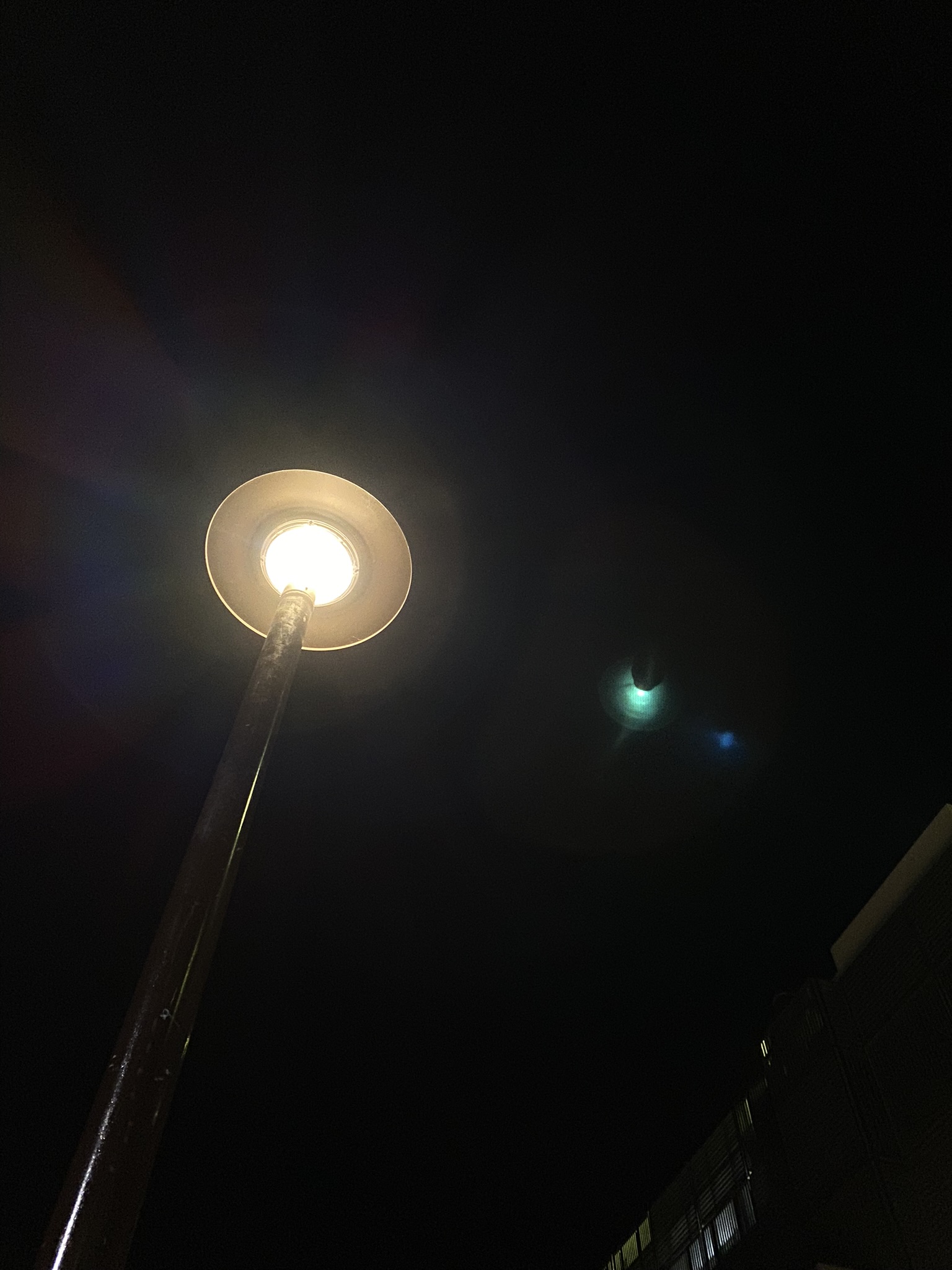
“You don’t want the light to go into the sky instead of the ground where you want it, it’s inefficient and causes light pollution.”
“There’s also the timing and operation of light … just simply thinking,
Brad Tucker
do we actually need the light on?”
“Could you do it automatically, a spotlight with a sensor or lights with a sensor?” he continues.
Brad says steps can be as simple as adjusting one’s assumptions, “[We] sometimes think brighter light is better and that’s not always the case.”
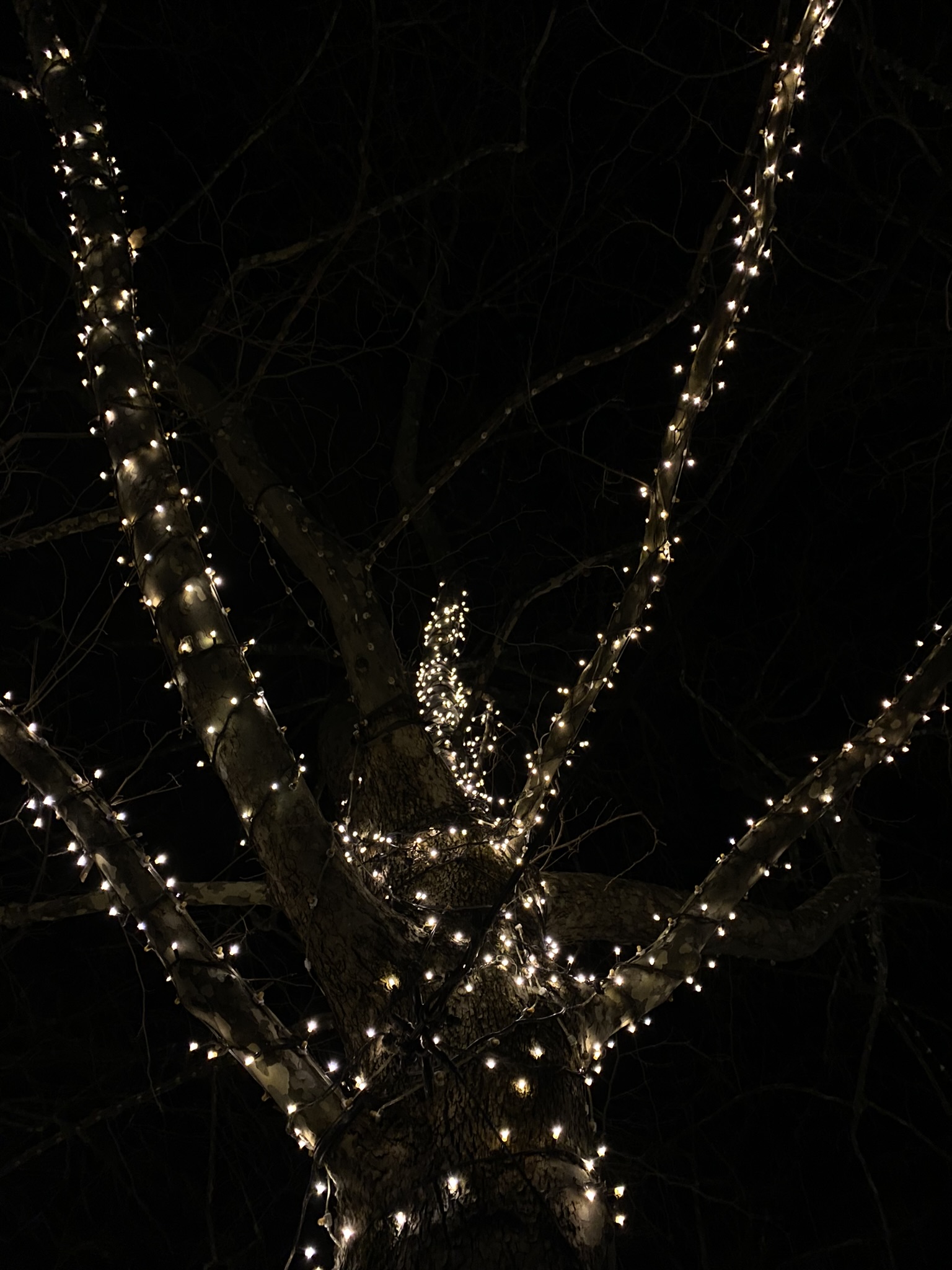
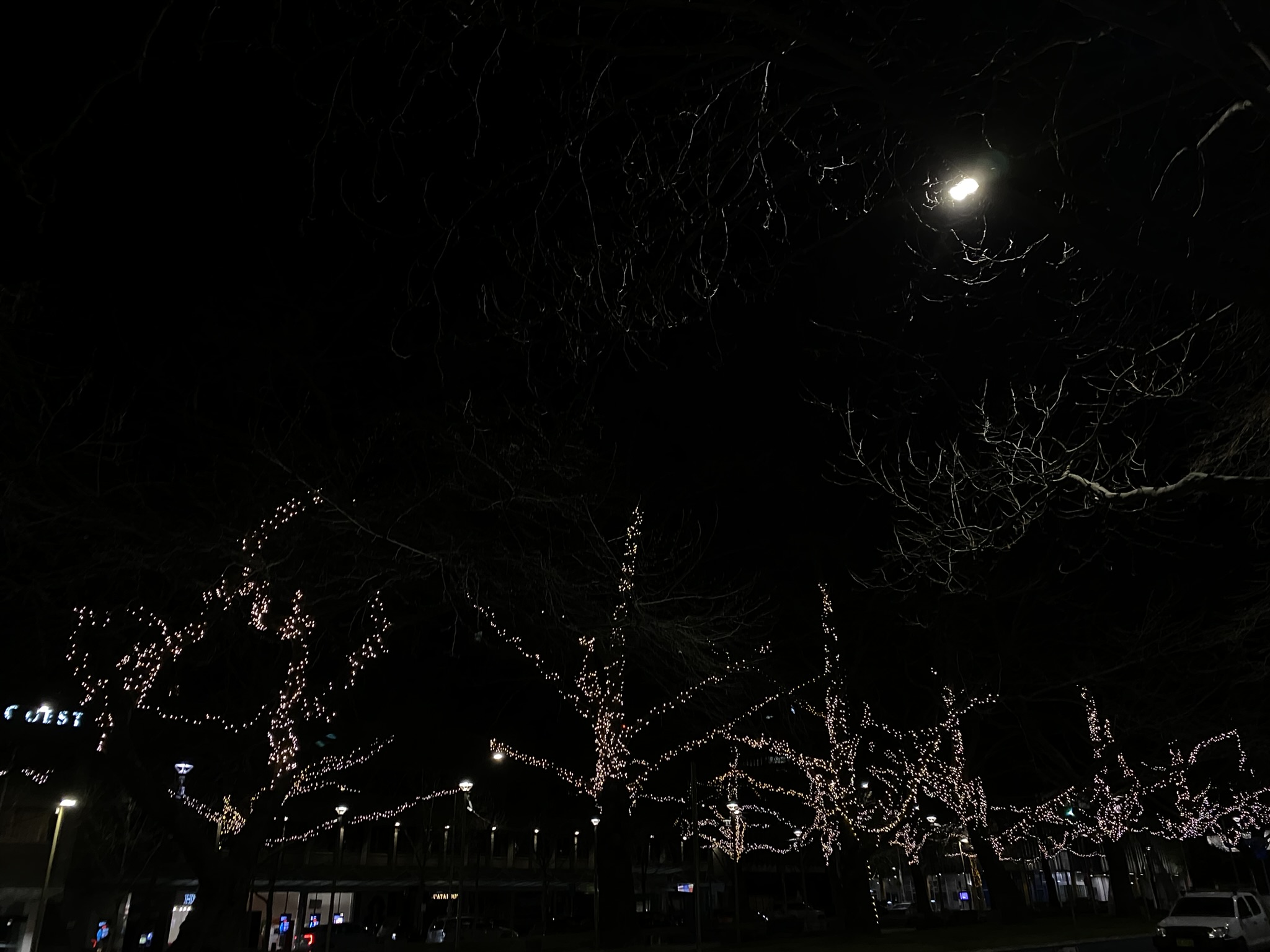
“I see … places that are lit up like Christmas trees at night and there’s no one there.
It’s like, why? Why do we do that?”
Whilst imperfect, Canberra is a leader in ways developing cities can mitigate light pollution.
“They’re [The ACT Government] doing a lot more than we give them credit for,” Brad says.
“They’ve been replacing old street lights with ones that are flat and have a cut-off in terms of how bright they are.”
“Since a lot of these light bulbs have been slowly replaced since 2019, the night sky’s actually darkening by about 30%.”
“Canberra’s also been doing trials of dimming at times certain lights around the city from like a 1-2 am window when no one’s out,” he explains.
Omexom, the principal contractor for managing Canberra’s lighting, has been conducting city-wide trials in smarter lighting, dimming lights during ‘quiet hours.’
“[Canberra] is now becoming an example for Australia and New Zealand. That we could do things a little bit more efficiently, reduce light pollution and quite literally save gigawatts of energy per year.”
Brad Tucker
From adapting one’s city to travelling like Lewis, there are heaps of ways Australians can rebuild their relationship with nature.
Lewis shares his experiences on his Instagram, hoping to inspire others to get involved with the riding that’s brought him so much joy.
“If I can do anything to inspire other people to get out there then like that’s really quite rewarding for me,” Lewis says.
Lewis encourages others to reimagine lifestyles and get involved with groups like Gravel Grinders in Canberra for adventure biking or Backpacking Australia.
For those interested in local stargazing, The Canberra Astronomical Society offers a welcoming community for aspiring stargazers and astronomers.
Original photos by Hannah Sharman