
Whether it’s your uni assignments, workplace or everyday life, we all know the feeling of wanting to put your head through a wall … but what if there was a better solution? A new movement is seeing people pay to smash plates, glasses and whatever else is put in front of them.
Rage Rooms! Spaces designed for controlled destruction are growing globally, with the industry projected to exceed $700 million by 2032, according to Research and Markets’ reports. Marketed as a form of stress relief, they offer a physical outlet for frustration at a time when burnout, cost-of-living pressure and everyday stress are increasingly shaping young people’s lives.
But what actually happens when you step inside one? And does smashing things really make you feel better… or is it just a distraction from the real problem?
I decided to find out.
The build-up: curiosity meets hesitation
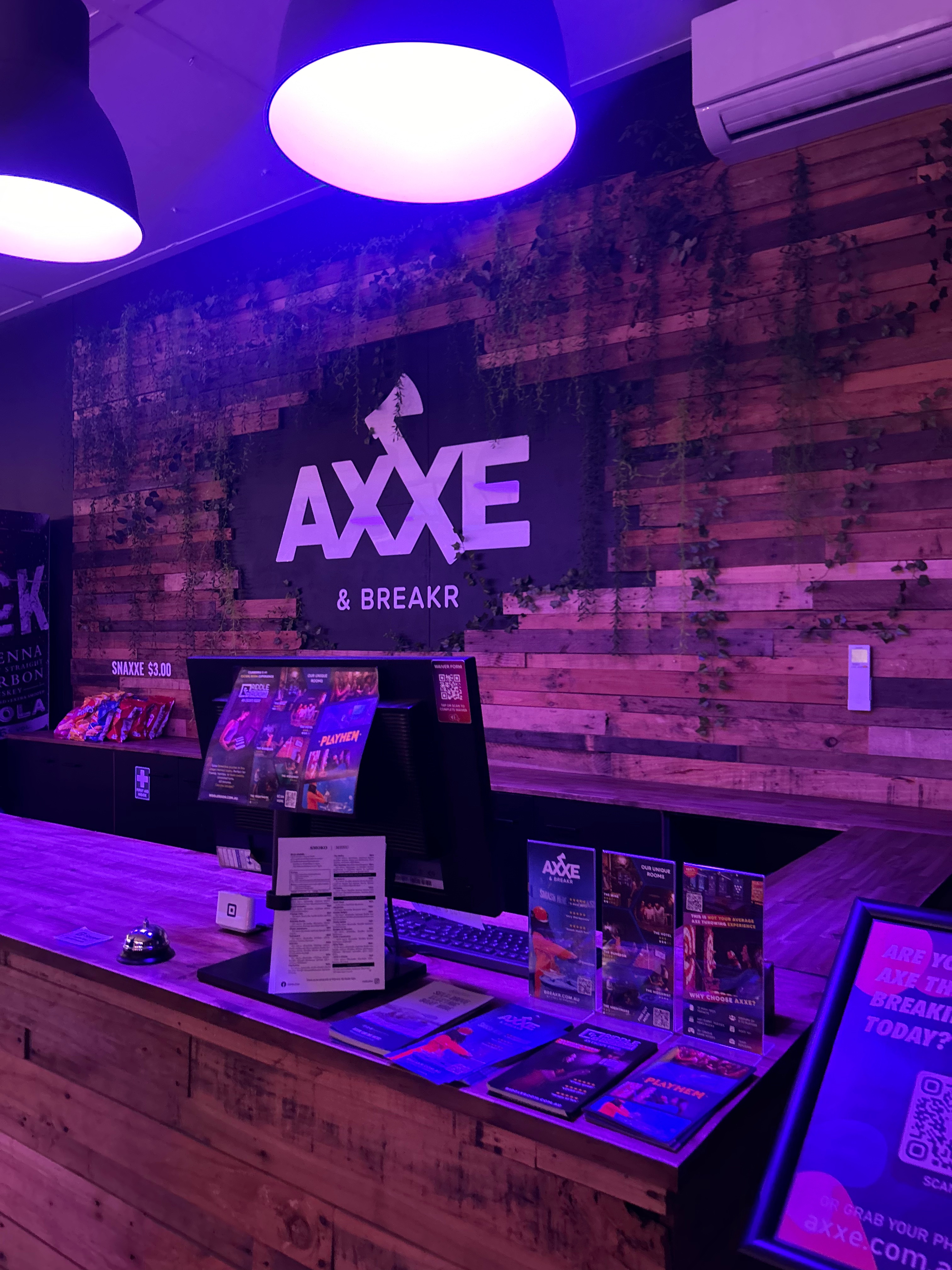
On a casual Friday night, instead of my partner and I heading out for drinks, we walked into Breakr, a local rage room facility in Canberra’s Fyshwick. Upon arrival, I felt a mix of excitement and hesitation.
There was something about it that felt slightly wrong. I don’t know about you, but smashing things deliberately definitely goes against every instinct in my body. A small part of me questioned whether this was a genuine form of stress relief or just another trend packaged as ‘self-care’ without addressing the root cause.
Inside, however, the atmosphere told a different story. Bright lights reflected off axe-throwing lanes, music filled the space, and groups of people laughed as they moved between activities. It felt less like a place of anger and more like a social night out.
The manager, Marlon, greeted us as if what we were about to do was completely normal, which somehow made it feel even stranger.
Stepping in: preparing for destruction
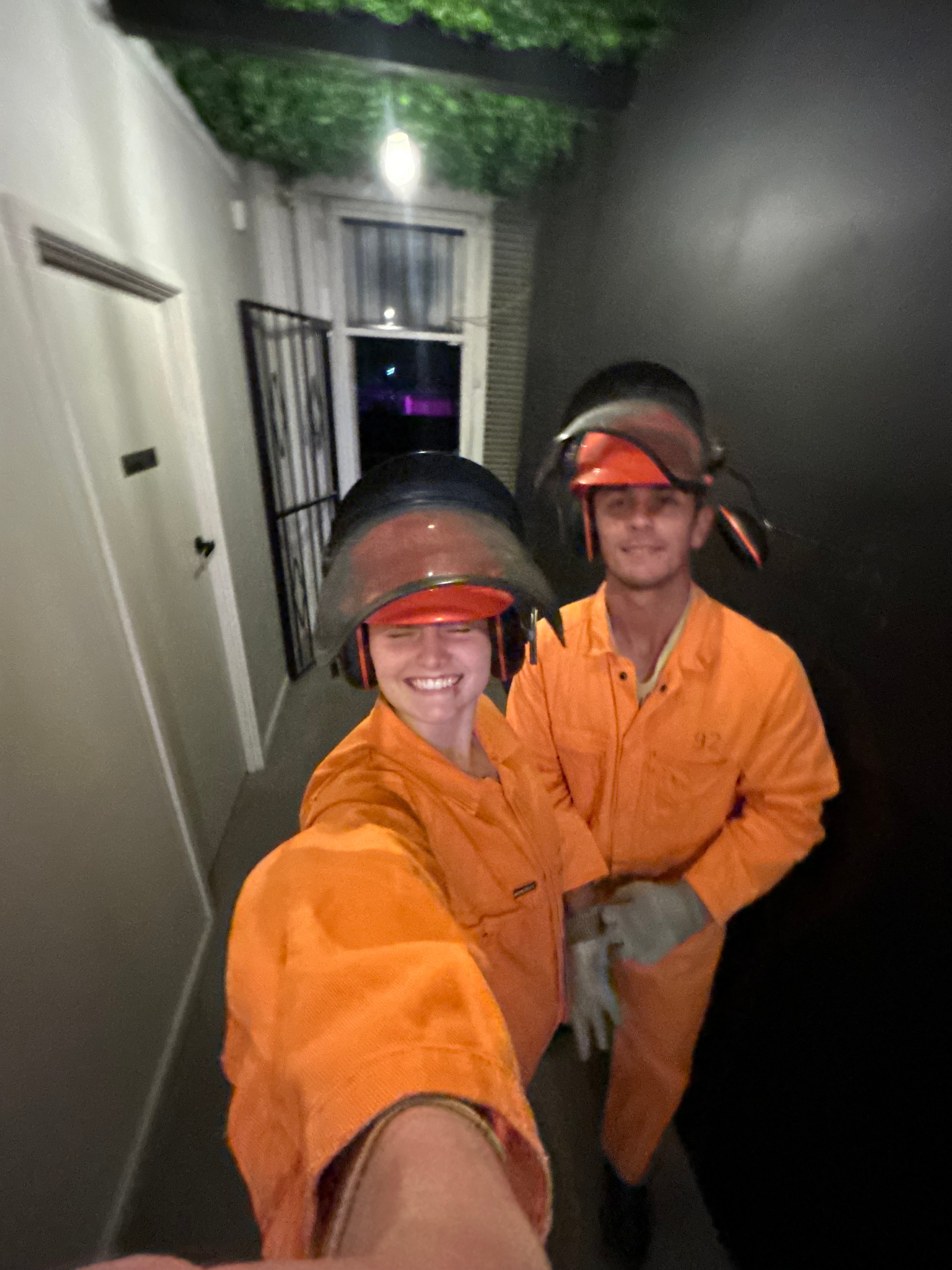
After signing safety forms, we were led to the preparation area. Waiting for us were orange jumpsuits, boots and helmets fitted with earmuffs and face shields.
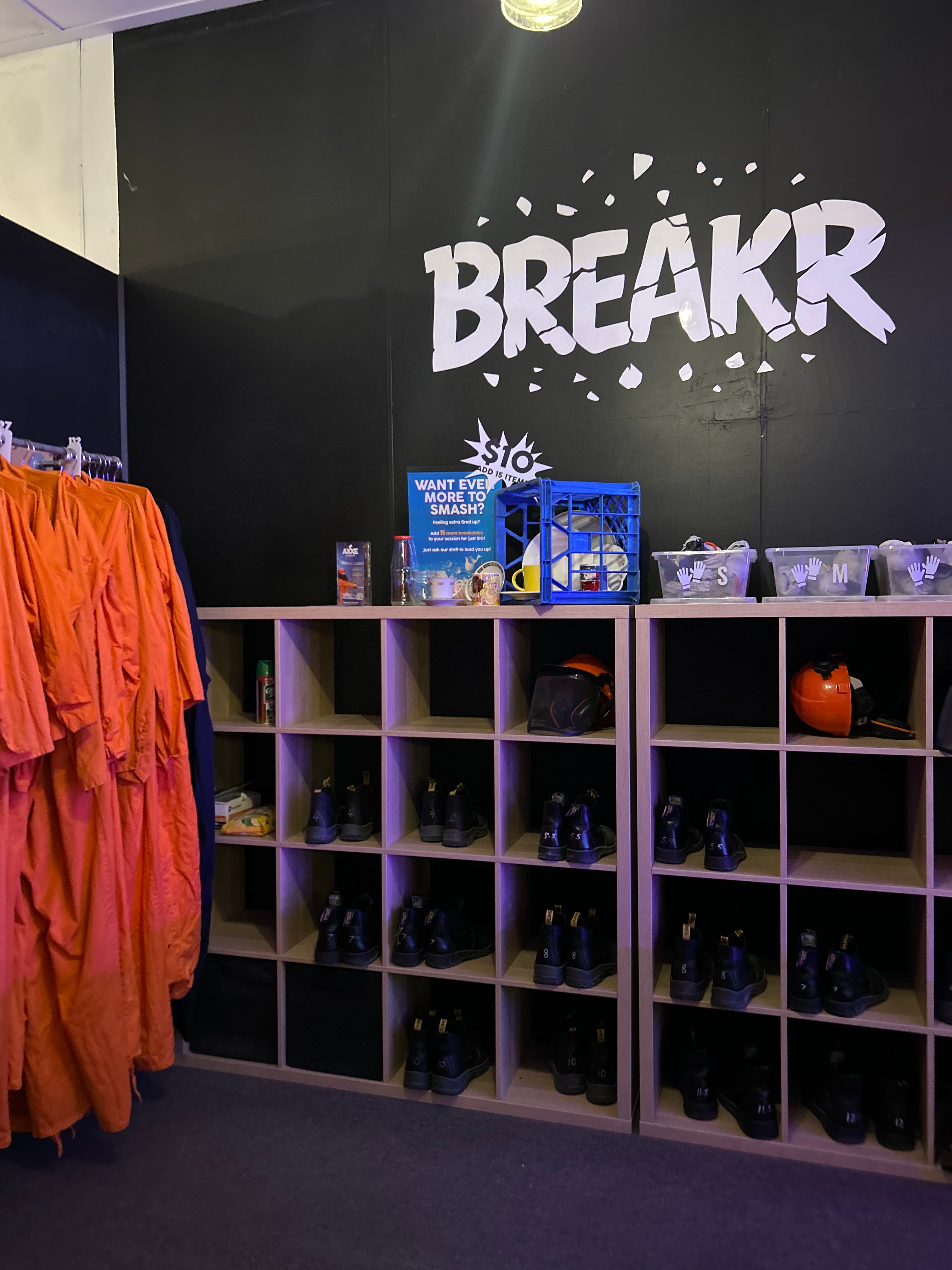
Putting them on felt equally ridiculous and reassuring.
Standing there with my partner, whose presence instantly made the experience feel less intimidating, we looked at each other and laughed. That moment of humour helped ease my nerves, but the underlying hesitation still lingered.
This wasn’t something I had ever done before.
The moment of impact
Hesitation peaked as Marlon walked us down the hallway and we stepped into the smash room.

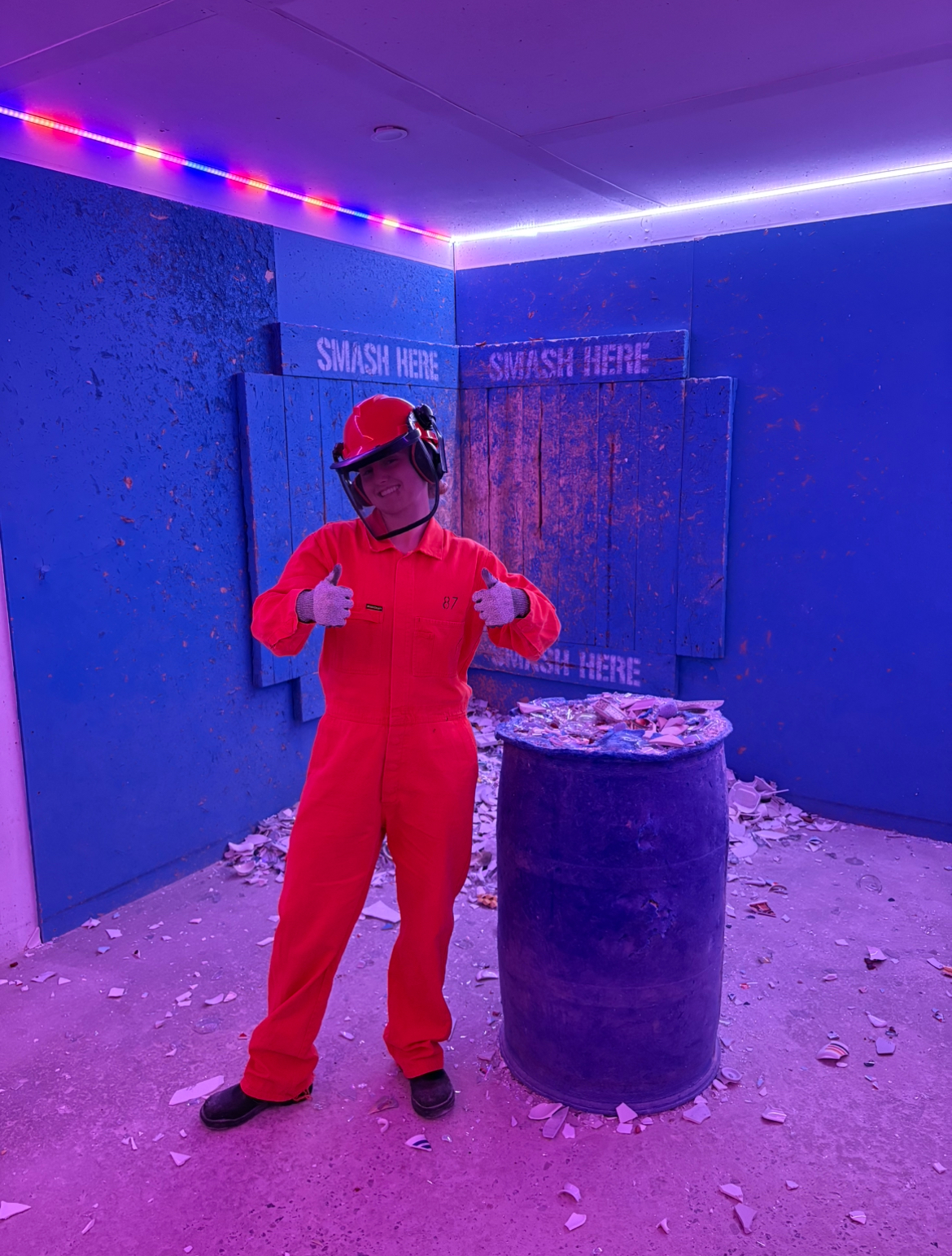
The space was compact and enclosed, lit by shifting LED lights that reflected off shards of glass and plates scattered from previous sessions. A blue barrel stood in the centre, surrounded by crates filled with plates, mugs, wine glasses and glass dishes… all awaiting destruction.
Marlon explained the rules printed on the wall and pointed out the speaker in the corner, where we could play our own music. He also demonstrated how we could adjust the lighting to change the mood of the room. It became clear that this experience wasn’t just about destruction; it was about control.
Whether we wanted to go crazy with heavy metal fuelling our fire, or let it out with the chill voice of Olivia Dean, it was our choice. We went with the ironic choice of slow music, a calm soundtrack for what was about to become pure chaos.
Then Marlon left.
I picked up a glass, walked to the marked smashing area and paused.
“Do I just … throw it?” I asked my partner (as if I hadn’t literally paid to be here)
He replied “Yep. As hard as you can.”
I took a breath and threw it as hard as I could.
The glass shattered instantly, exploding into shimmering fragments glistening under the coloured lights.
And just like that, something shifted and somehow completely altered my brain chemistry.
Letting go: chaos, laughter and release
From that moment on, hesitation completely disappeared.
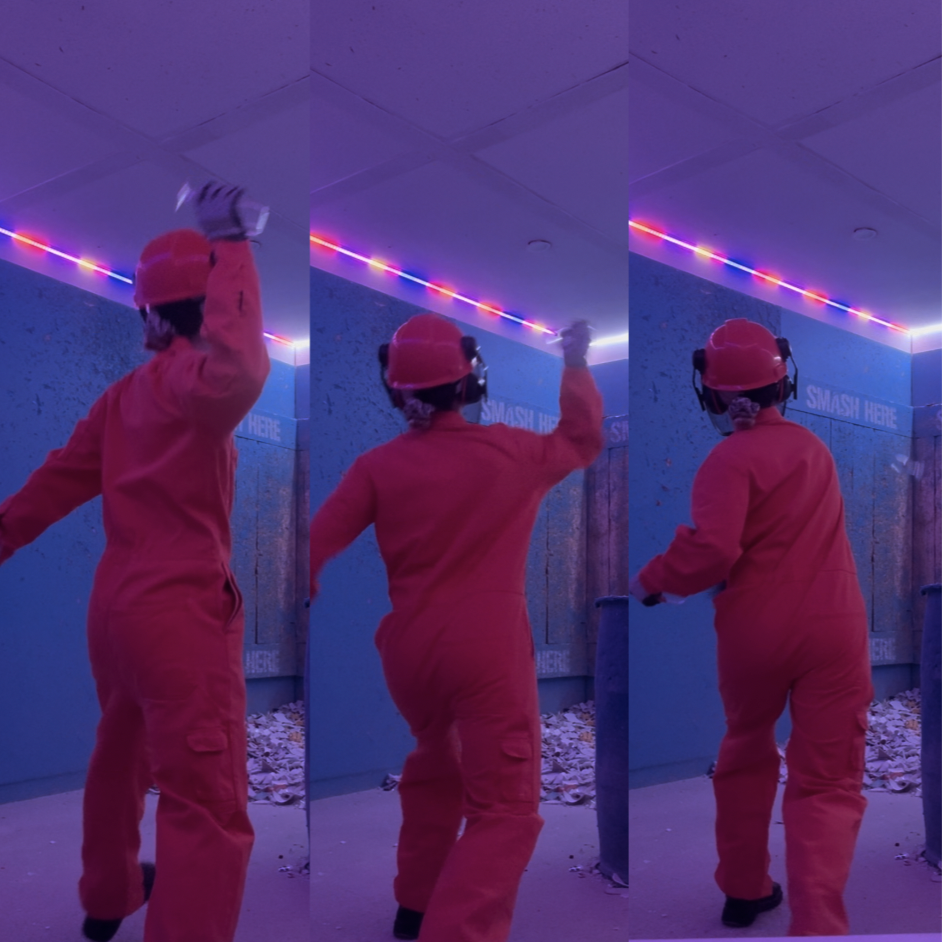
Plates became frisbees, mugs were crushed with crowbars and stacks of wine glasses were turned into baseball practice. The room filled with the sound of smashing glass, bursts of laughter and the occasional pause to catch our breath.
In a moment where I would usually think I’d lost the plot, like I’d turned into some sort of animal, it didn’t feel like that at all.
At one point, we even started stating things that we were frustrated about from the week before and then throwing objects with all our might, as if we were physically throwing the frustration out of our bodies. It sounds absurd, but I would absolutely recommend it.
It wasn’t about breaking things. It was about permission.
Permission to be loud, messy and completely unfiltered in a way that everyday life rarely allows.
For 15 minutes, nothing else mattered.
After the smash: what remains
When the final light bar reached its end, signalling our time was up, we stopped (slightly out of breath) and looked at each other.
A high ten and a big hug followed as if to say ‘I feel so much better’.
Walking out, Marlon smiled at the sight of us gleaming with joy. A scene he said is a common occurrence.
He was eager to know if we had anything interesting in our crates, which, after seeing the top of their staff fridge, I quickly understood.
There was a collection of unusual items rescued from past sessions. From a giant penguin ornament to a piggy bank covered in kisses.
I found it to be an unexpected contrast: in a space built around destruction, there was still an element of preservation.
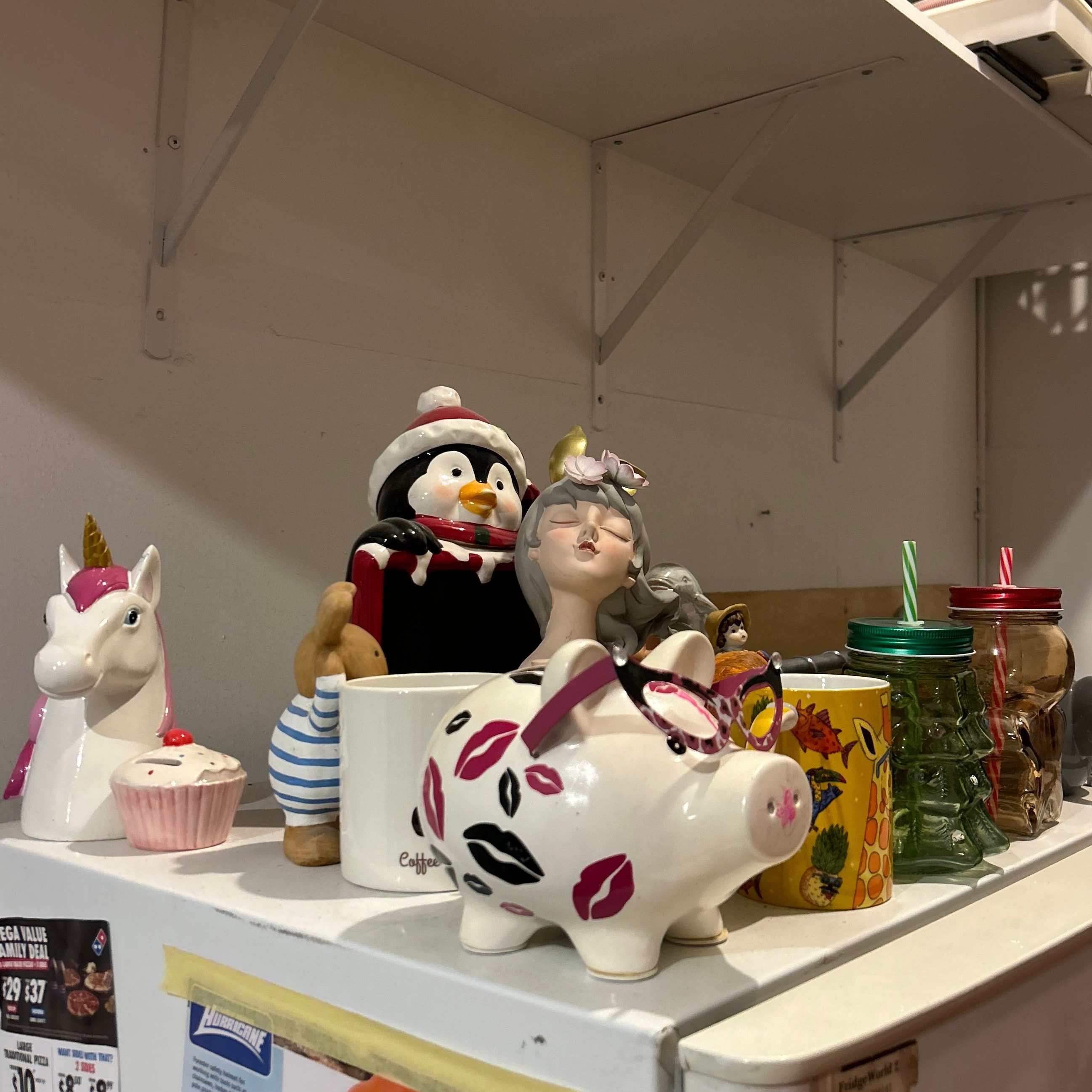
Still feeling slightly guilty, I couldn’t help but ask Marlon where all of their smashable items come from. He explained:
“We work with Vinnies/Goodies. Anything that is slightly chipped, can’t sell or can’t display anymore we are happy to take it from them. They come to here and get a second use out of the items.”
But what happens after that second life ends?
He explained that for a lot of it, this is its final use, however he went on to say:
“We do have a couple of people who are craft enthusiasts and really like mosaic things. Occasionally, they want to come in and grab a couple of pieces and flip them into artwork.”
I found this to be quite an unexpected contrast. In a space built around destruction, there was still a quiet element of creativity and reuse.
Even before any smashing begins, crates are carefully sorted behind the scenes. Proof that even chaos here is controlled.
More than just smashing things
Walking back to the car, we kept coming back to the same thought: We didn’t realise how much we needed that.
What started as something that felt slightly wrong ended up being one of the most unexpectedly enjoyable experiences of the week.
I think Marlon put it perfectly when he said;
“I think it’s a really good option for people to have because there aren’t many places where you can get this cathartic experience in a controlled environment.”
I wouldn’t have been the first person to recommend smashing glass as a form of stress relief … but now, I actually might be.
Not because it fixes everything.
But because, for just a moment (or 15 minutes to be exact), it gives you permission to let it all out in a way that feels immediate, physical, and most surprisingly … FUN!
Original media by Bonnie Brewer