
For most Australians, skydiving is regarded merely as a dangerous extreme sport. But there’s a lot more to it than jumping out of planes.
For Nicole Adams and Anthony Jones, it’s more than a sport – it’s become embedded in their lives.
But how exactly do skydivers become skydivers? What does the sport require? And what do they stand to gain from doing it, beyond just the adrenaline?
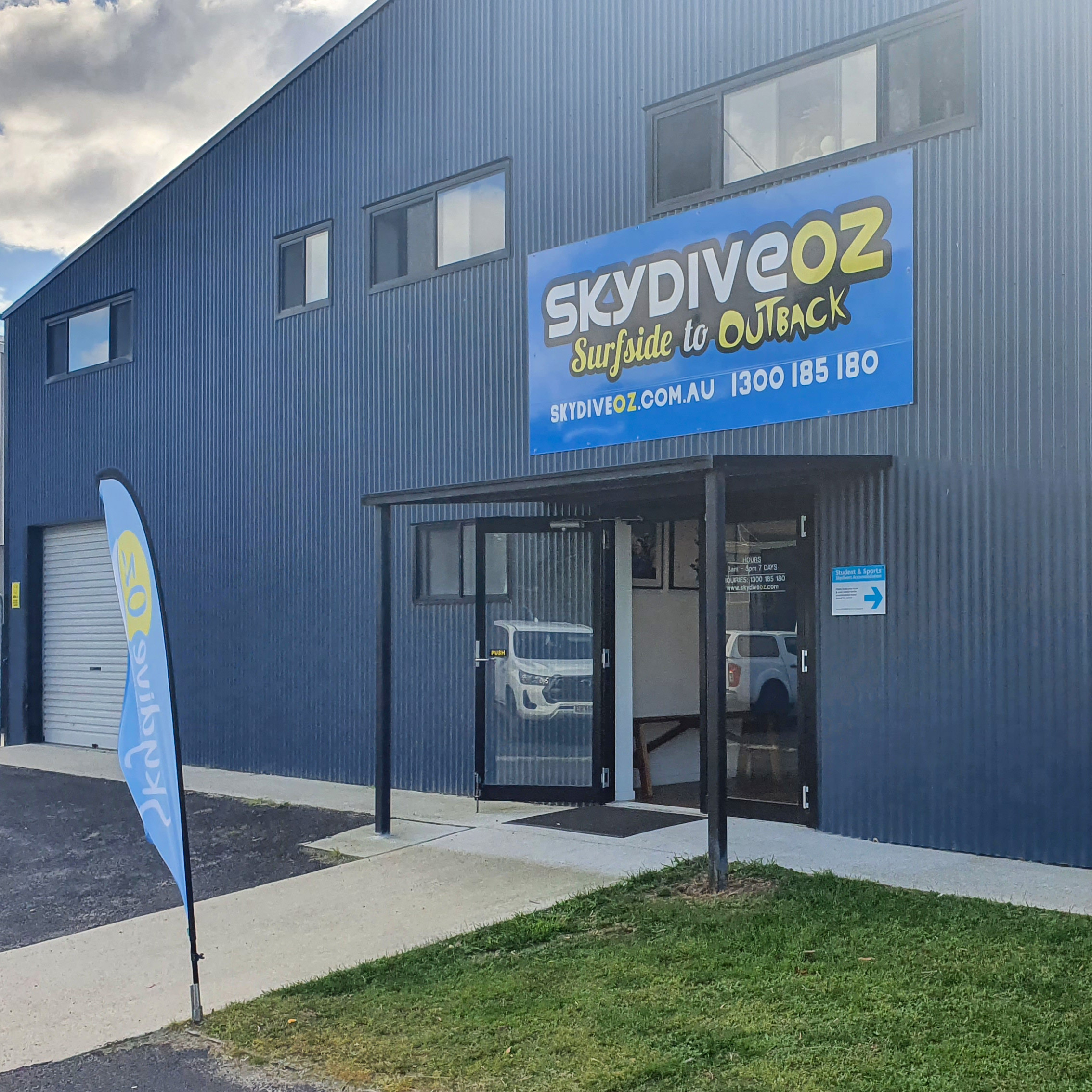
Situated just two minutes away from Bengello Beach in Moruya, Skydive Oz is just one of dozens of skydiving dropzones across Australia and is home to many skydivers.

With over 100 jumps under his belt, Anthony Jones, or Ayjay, is one of them. Ayjay’s sports jumping journey began with a tandem jump at 18 years old. A few years later, he completed a couple more tandems but never gave skydiving a real shot till later.
“The weird thing about skydiving for me, was loving doing a tandem but thinking that skydiving was for special people,” Ayjay says.
Ayjay committed to the sport when his friend and legendary wingsuit base jumper, Chris Byrnes, passed away.
“I spoke at his memorial… I said I’m gonna learn how to skydive in your name, to keep your passion alive.
“I realised that I felt like I was gifting that to him, of living on his legacy of flying through the air. But I realised that it was so much for me as well because I’d always wanted to do it.”
Currently, Ayjay aims to jump fortnightly, or at least once a month. Now 35, he says that sometimes it can be a bit complicated, as he has a wife and two children. One of the major factors that stop people from skydiving is the potential for risk involved with the sport.
“I’m doing all of this, that can be perceived as risk,” he says.
“I really love it. It’s me weighing up the risk and the reward.”
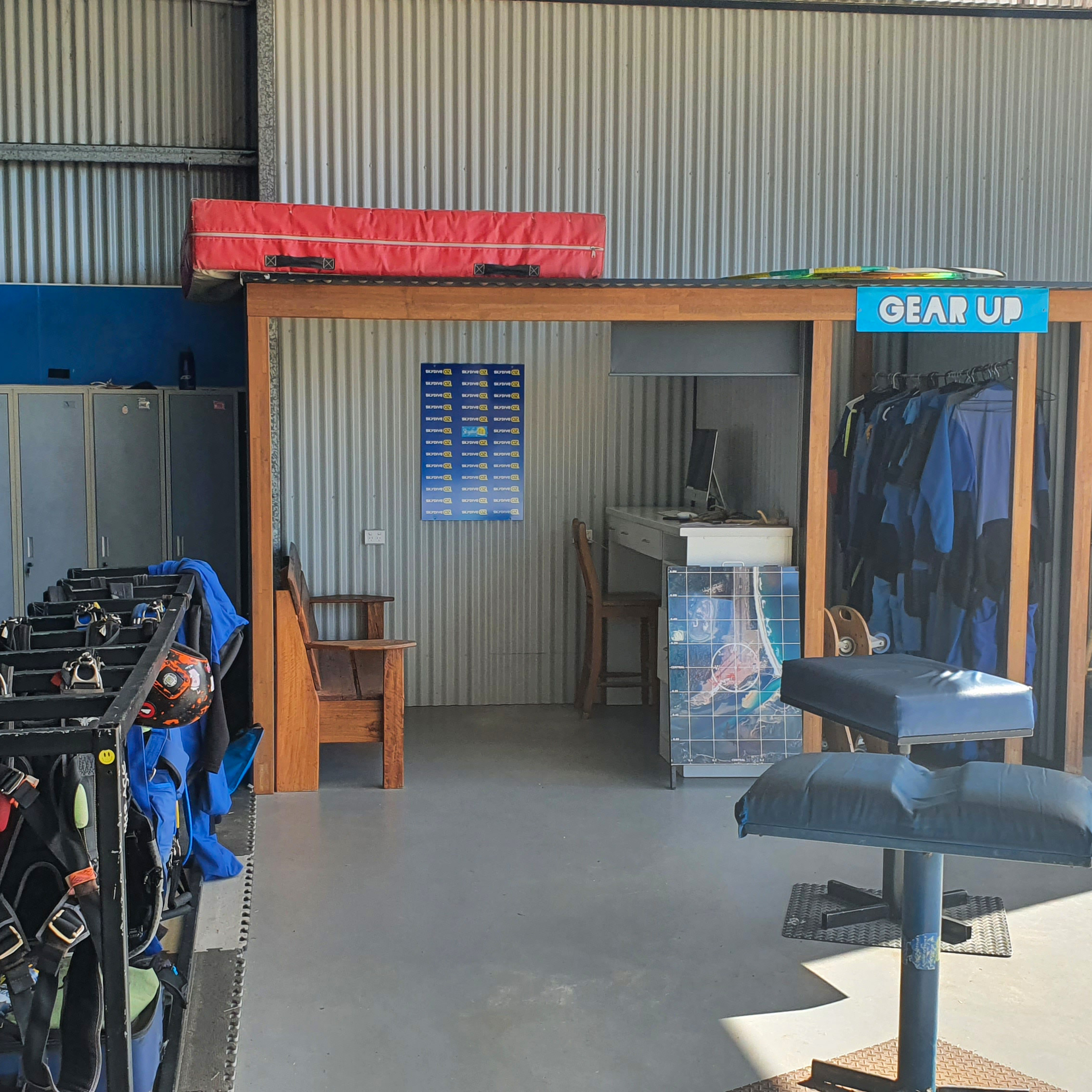
Generally, while thought of as extremely thrilling and adrenaline-inducing, skydiving is often considered an exceptionally dangerous sport – and at first glance to most, it has good reason to appear that way.
Ayjay says the sport can be dangerous, and that there are a lot of things that go into every jump, but there’s a lot that every skydiver can do to mitigate risk and help prevent incidents. Barring freak weather incidents that are out of anybody’s control, it’s not as dangerous as it seems.
One of the reasons that Ayjay jumps at Skydive Oz specifically, is because they understand that with skydiving, fun and safety go hand in hand.
“I think skydiving can be, is, a really safe sport, if we don’t become complacent,” he says.
“It’s important for me to stay current… If I think something is out of order, or if I think something needs to be looked at or assessed, I’m not afraid to pull one of the instructors aside… They’re so onto all of that safety… I want to do it in the safest way possible.”
With the emphasis on safety, Ayjay is sure that he intentionally progresses at a pace that suits him – he doesn’t want to end up in a situation that he isn’t prepared for.
“I’ve heard too many stories of people that get ahead of themselves, and they go “oh doesn’t that look cool”… They’ve progressed way too quickly, and they don’t have the skill set to get them out of a terrifying situation.”
He does admit that he has had a couple of instances where his parachute lines twisted around one another. Somewhat akin to a horror film, he might have been fearful at the moment, but looking back on it, he found it quite a thrilling experience.
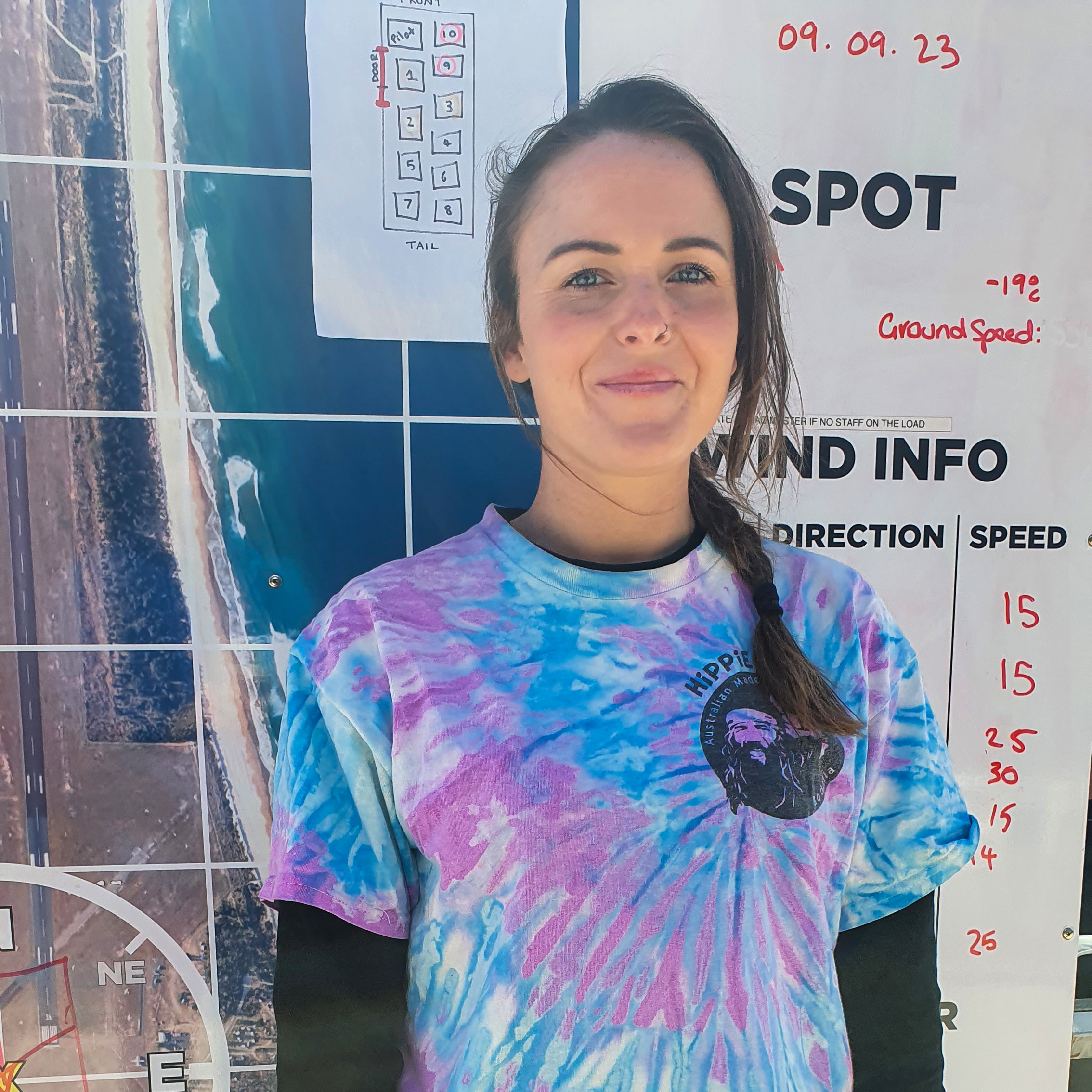
Nicole Adams, better known as Nikki, works at Manifest at Skydive Oz, and she echoed identical sentiments regarding safety. She encourages everyone to always check their gear before jumping and to be aware of the weather conditions.
“I do like ten gear checks before a jump,” she says.
“Accidents in skydiving are extremely preventable. As long as you’re not complacent.”
Alongside working at the dropzones reception, Nikki is a sports jumper like Ayjay – in other words – she jumps for fun. She also finds that skydiving offers her a new perspective on life, and believes skydiving is so much more than a mere sport. After a three month break to travel, she returned and concluded that skydiving is a crucial part of her life.
“The mental obstacles I’ve overcome and continue to, while skydiving is in my life, have been completely life-changing,” she says.
Beyond the jumping out of planes aspect of skydiving, the sport has provided her with a community of love and support. Nikki herself has completed 200 jumps and has acquired valuable experience in the world of skydiving.
Burnout is common in just about every activity, job and sport you can find – skydiving is no different. Nikki said there have been many times when she has felt drained and feels like she isn’t progressing. For her, she finds it best to take some time off the sport and reassess the reasoning behind why she skydives.
“Setting new goals to reach can also help with finding purpose again.
“This sport is a life journey for me and I will always continue to grow.”
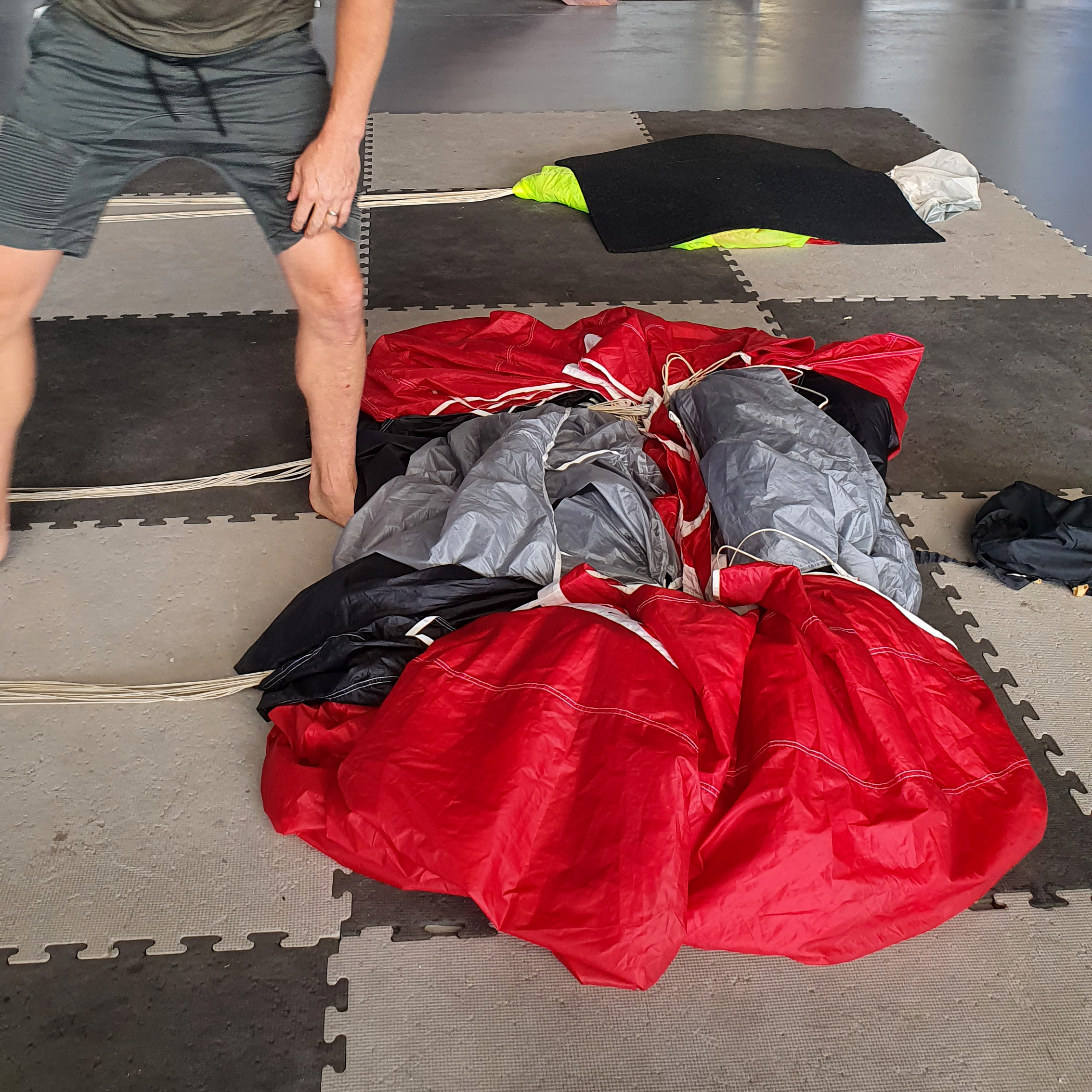
Like Nikki, Ayjay says that he wants to grow and improve. Though he aims to move into free flying (flying in different orientations) he still finds value in refining the basics, like improving flying on his belly and making turns. He adds that he has a great deal of respect for all the different disciplines within the sport and is amazed by how much you can do in every jump.
“The thing that I love about skydiving is that we all get 60 seconds… What is so interesting is how people can formulate different ideas that sit within that 60 seconds,” he says.
“It’s just really cool seeing everyone’s creativity come into that 60 seconds and go, let’s do this, or let’s do this… Every jump is unique.”
Of course, it’s possible to replicate the manoeuvres involved in a jump, and as one refines their skills, they’ll be able to recreate jumps with ease. But as has been discussed, it’s not just the manoeuvres that one does in the air that defines the sport. It’s the people you do it with, and the laughs you have when you mess it up.
Especially for first-timers, skydiving can be extremely daunting, as you are just throwing yourself out of a plane thousands of feet in the air. There’s no easy way to deal with the fear and nervousness that comes with skydiving. That’s just part of the experience. Ayjay says that for him it took time, and even still, it can be a bit intimidating. Though the best approach is to just go for it.
“If you do a tandem, and you love it, then there’s something there and it’s worth investigating.
“As I’ve found over time, it’s actually meant more to me the more that I do it… The more that I do it, the more I feel empowered.”
It’s clear that, at least for people like Ayjay and Nikki, this sport means so much more to them than the thrill. Everyone has their reasons for jumping, and Skydive Oz brings them together under one roof.
Part of the magic of Skydive Oz is that they are more than just a vessel for skydivers to do what they love. It’s a home for some truly down-to-earth people. As Ayjay puts it, you won’t often find grumpy skydivers – there’s just no place for their attitude at the dropzone.
All of this culminates in truly defining what skydiving is. On the surface, yes, skydiving is an extreme sport. But underneath that layer, lies people like Ayjay and Nikki, and thousands of other skydivers across Australia who feel the same way.
For these people, skydiving lets them develop skills in an amazing sport, while also evolving their character by offering them a family that helps them rediscover who they are.