
After 17 years in the Legislative Assembly, Shane Rattenbury is calling time on his political career.
The ACT Greens leader delivered his valedictory speech to the Assembly last week, closing a chapter that has shaped Canberra’s approach to climate policy, justice reform and cross-party collaboration.
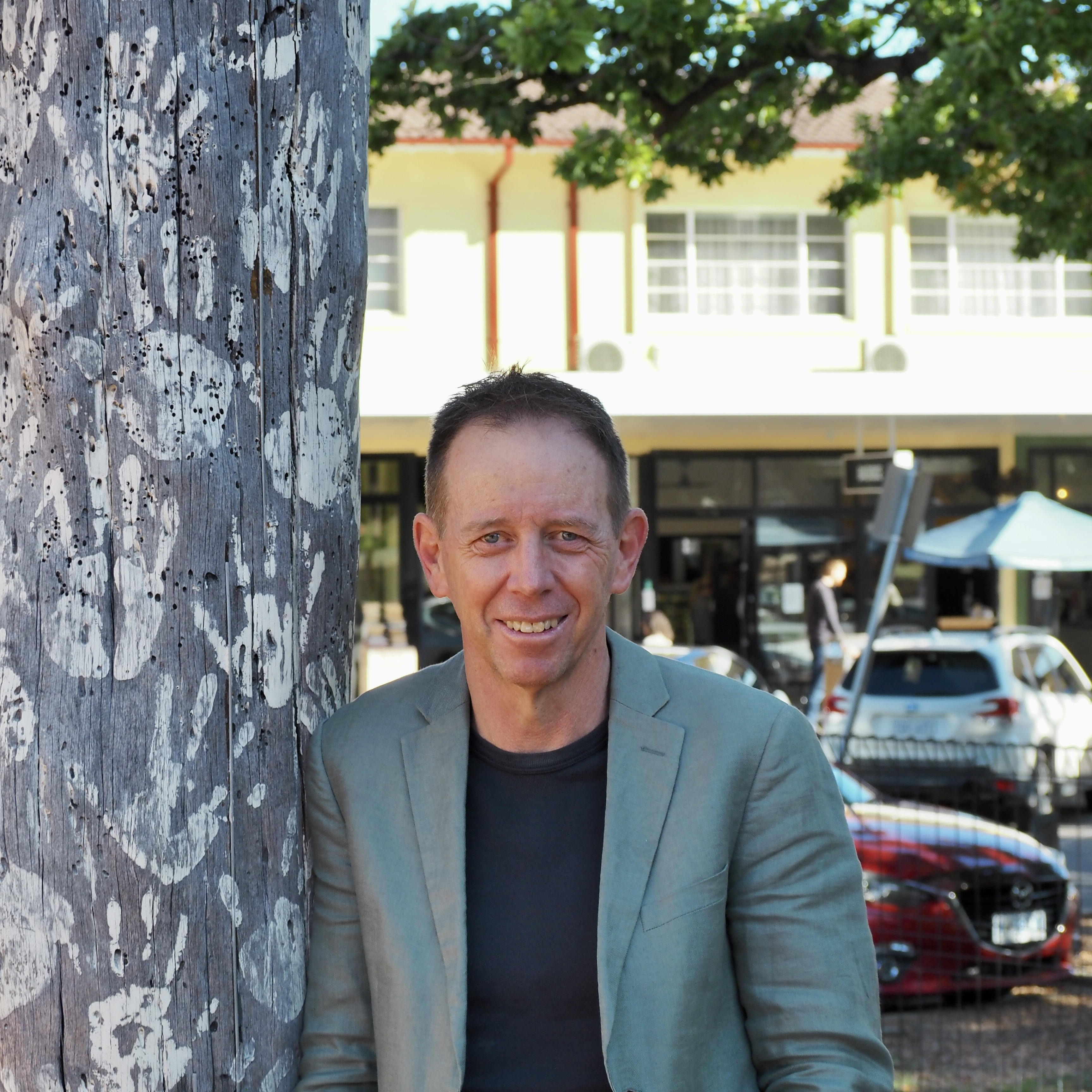
The Member for Kurrajong has been a prominent figure in ACT politics for almost two decades. First elected in 2008, Rattenbury became the first Greens speaker in the world. He went on to become a cabinet minister, and held the balance of power following the 2012 election.
In coalition with Labor, Rattenbury was able to implement climate reforms such as a net zero emissions target, raise the age of criminal responsibility, and expand the capital’s public transport network.
Following Rattenbury’s retirement announcement, former national Greens leader Bob Brown highlighted how Rattenbury “showed how well the Greens can work with a Labor government as well as talk with conservatives in a way that retains Green ideals but fosters the wider interests of an electorate wanting politicians to put the community, not themselves, first.”
Rattenbury’s political journey began when he joined the Greens at an ANU market day stall in 1992. He honed his skill for environmental activism as International Political Director for Greenpeace before entering the Assembly. At 54, Rattenbury is optimistic about what the future holds.
I caught up with Shane in his electorate to reflect on his career, his decision to step away, his hopes for Canberra’s future, and his aspirations for young people.
Q: You have just announced your retirement from politics, why now?
A: I just reached a point where it’s time to go and do something different. I’ve been very fortunate to be in the assembly for over 17 years now and been able to work on some amazing things. I’ve loved being involved with community, having the opportunity to meet so many people, and represent their concerns.
I’ve got time to have one more career and I kind of like the idea of having a slightly more balanced lifestyle. You’ve really got to give 110% in politics, and just in the last little while I can feel myself not wanting to do that all the time.
I’m happy to be able to go on my own terms.
I feel very positive about it and I don’t have a concrete plan of what’s next, and that is a little bit daunting, to just step into the unknown.
Q: Reflecting on your time at the Assembly, what are some of your proudest accomplishments?
A: The key thing has been climate action. The ACT is now recognised as a leader on climate action. We have got ambitious and legislated emission reduction targets. we have got 100% renewable electricity, we’ve got a commitment to electrify the city and phase-out fossil fuel gas, we’re the first in Australia to do that.
I was also really pleased be able to finally get light rail underway. Canberra had been literally talking about it for 100 years. It was on the Burley-Griffin plans and it has certainly been debated actively for decades. If we want to make public transport viable, it has to be attractive, frequent, comfortable, all of those things, and light rail does that. I am frustrated by the fact that we are only up to building stage 2A. We need to accelerate the rollout because that will help more Canberrans understand its value.

Also, the justice space where I did a lot of my ministerial portfolios, raising the age of criminal responsibility, so that children are not able to be sent to jail. A young person that is undertaking dangerous behaviour, they really need to be given support, not time in custody.
Q: Cross-party collaboration has been a key part of your career, how did you make it work?
A: The community elects us all, but then our job is to get on and make things happen, not sit in our corners in our parties and just look at each other.
Obviously our partnership with Labor has varied over time but I think it worked really well overall. You can see perhaps a little bit of animosity between the Greens and Labor in other states and territories and nationally, but here in the ACT, we’ve shown it’s possible for the parties on the progressive side of politics to work together really well. We didn’t always agree, it wasn’t always easy, but I think we built a really good understanding of each other.
Over time, the personal relationships were a very important part of that; to sit down with Andrew Barr and just have a really pragmatic and outcomes driven conversation.

Q: What were some difficult moments during your time in politics?
A: There’s two ways to think about that, the first is that I spent one term where I held the sole balance of power.
[That] was really challenging but to cope with that, I had a great staff team. In politics, the politicians are often the front face, but there’s an enormous support network around that.
The second part of that is, there are really difficult issues that come along. I’ve been involved in some complex things and controversial things. And again, I’ve always just tried to fall back on, what’s the best outcome we can get here? What’s the fair thing to do? What’s the right thing to do? The decent thing to do?

Q: What’s your hope for the future of the ACT Greens?
A: I’m optimistic about the future of the Greens. We’ve already built our representation in the assembly.
The candidate who’s likely to replace me is very experienced.
The party’s structures are strong, and the issues that we care about are the issues that, actually, the community is desperately calling out for answers on. You know, young people are obviously so worried about climate change but they’re also worried about issues of equity, getting into the housing market, what it’s like to be a renter, how do we build a system that’s fair? In a world in which we see growing inequality, in which the wealthy are getting wealthier, and the people who don’t have money are struggling more than ever.
You see the rise of One Nation at the moment. They are also tapping into those concerns but they’re doing it from a place of grievance. They’re just tapping into anger. At one level, it’s valid that people are angry. I think they’re right to be angry. The system is rigged against ordinary people, there’s no doubt about that. But we need a politics that is about solution, not about blaming.

Q: What’s your hope for the future for young Canberrans?
A: I want young Canberrans to have a sense of optimism. And I think that is hard but I think we can make progress. There are things people once said were impossible and we have changed them.
The other thing I would say to young people is, don’t feel disempowered.
There’s lots of ways to make an impact. It might be getting into politics, but it might be leading a non-government organisation, being involved in a community group on the weekends. Down to the really simple stuff, just building your community, through being in a sports club, or whatever your passion is, just get out there and do it, and you can make a really positive contribution.
Q: What would be a lasting message that you want to give Canberrans?
A: We live in a great city, but it takes work to keep it as a great city, and we need to have the courage to keep addressing in the hard problems — sustainability, and ensuring equity in our city. Lots of people are doing really well here but there’s a lot of poverty and disadvantage in this city as well.
If we want to build a great city, it needs a to be great city for everybody.
Original photos by Maeve Hallett