
According to data from the Australian Election Study, young Australians are becoming increasingly disinterested in politics with many citing that they believe that they are not adequately represented and when the median age of federal parliamentarians is about a decade older than the median age of voters, that’s not surprising.
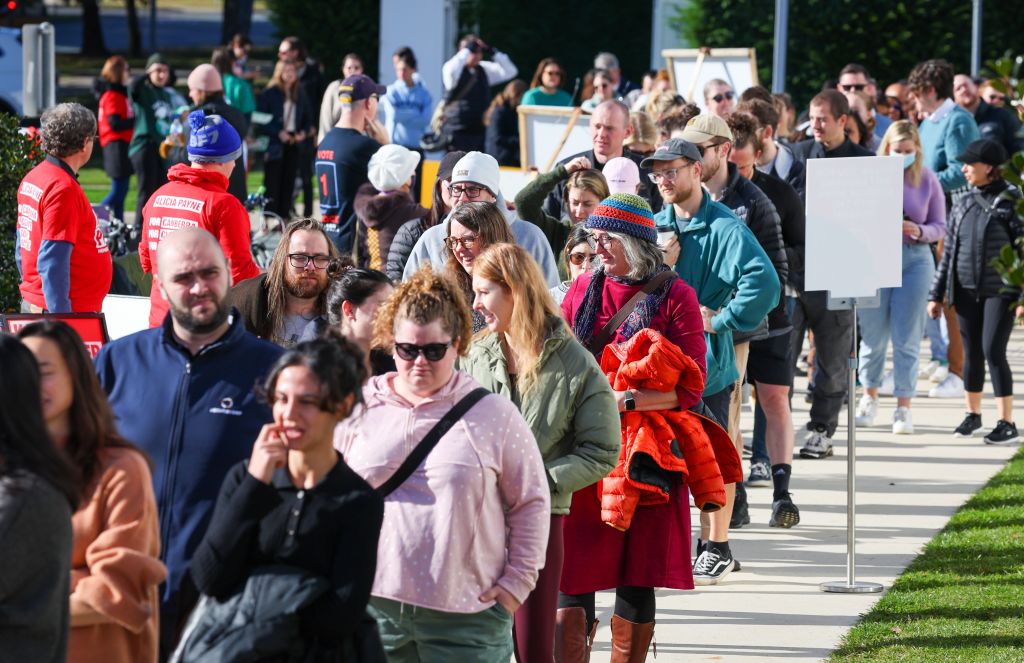
A recent study showed that almost half of the Gen Z Australians who voted in the 2022 federal election only did so because they “did not want to get fined” and only 11% of them said the main reason they voted in 2022 was because “there was a party or candidate [they] wanted to vote for”. But what if you had a representative who was the same age as you and understood the struggles of being a young person? While young people are under-represented in Australia’s parliaments, they are not non-existent and they want young people to know that there is a place for them in politics.
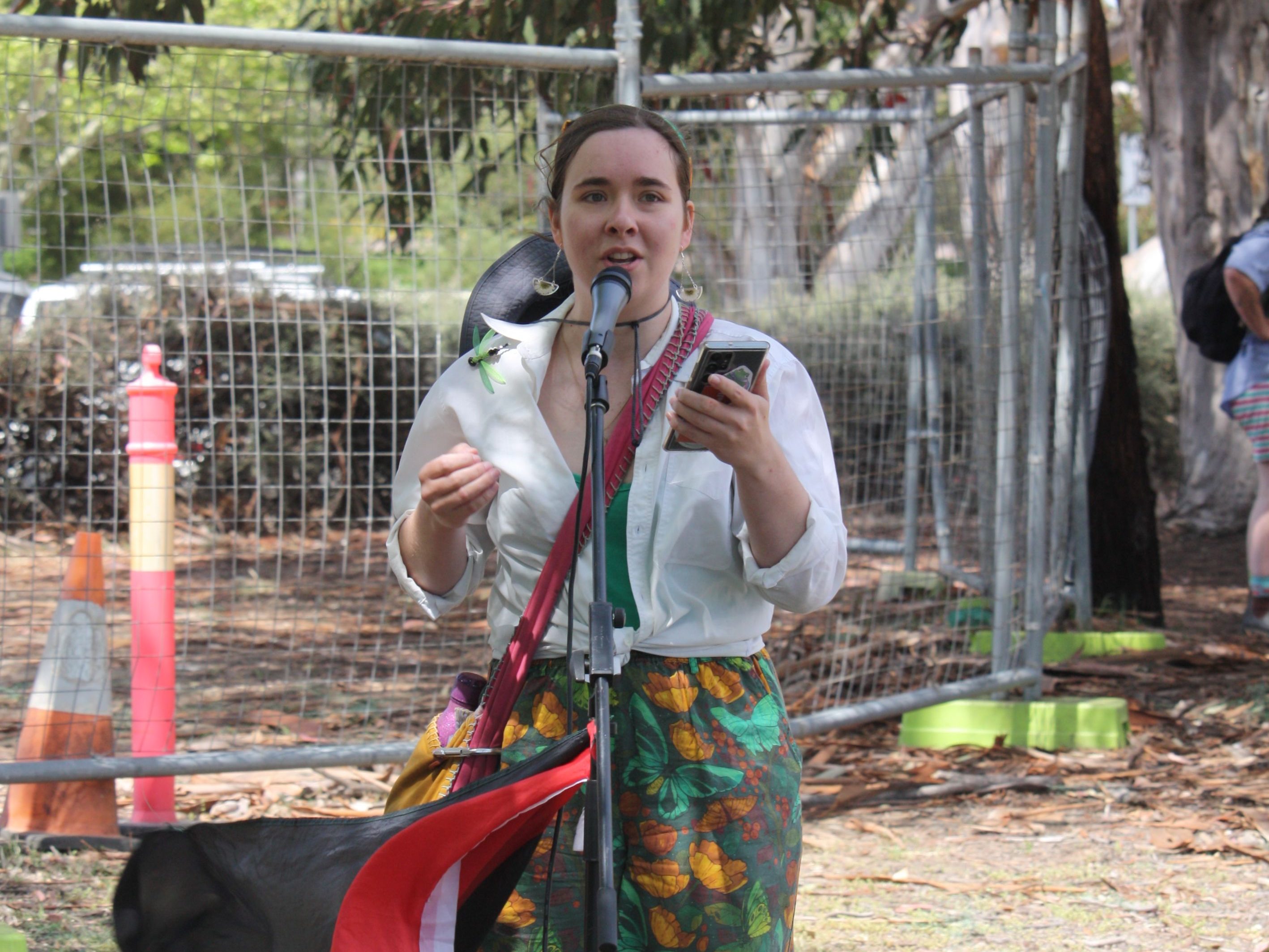
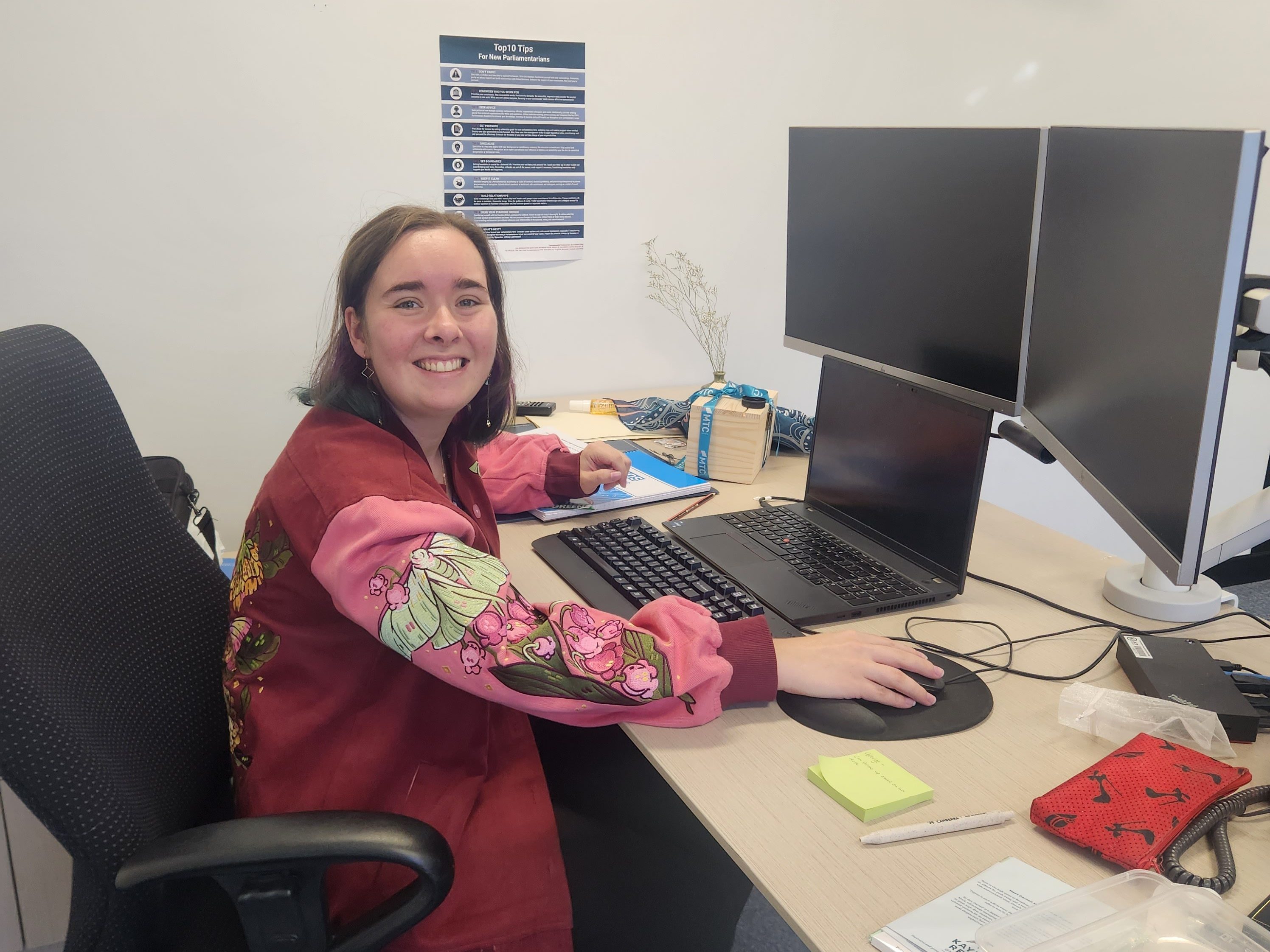
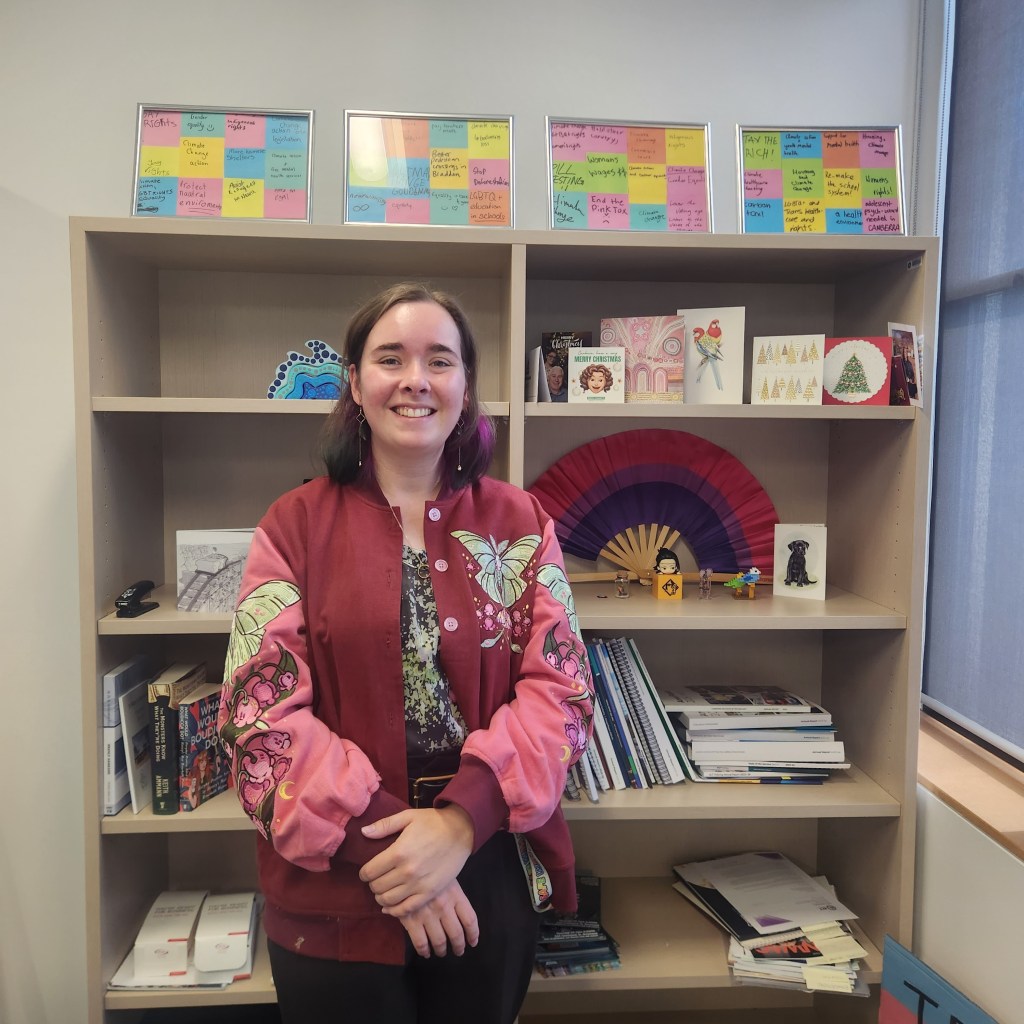
Laura Nuttall is a Canberra-born and Tuggeranong-raised Greens MLA, and the youngest Canberra has ever had. Nuttall is the first Gen Z member to serve in the ACT Legislative Assembly, as well as the youngest Australian Greens representative elected to any parliament.
The Legislative Assembly is made up of 25 ‘Members’ also known as MLA’s. Each MLA is elected to represent one of five electorates in the ACT for fixed four-year terms. Nuttall was first elected to the Legislative Assembly (via a countback) in 2023, before being re-elected in the 2024 ACT election.
During her time in office Ms Nuttall has held portfolios in many different areas, including but not limited to: education, young people, disability and LGBTQIA+ affairs. She has also worked towards fixing the Richardson shops and helped to legislate housing as a human right in the ACT.
Political reporting is often about what is happening right now in politics, which is understandable. The public deserves to know what is going on. However, this can take away from the politicians themselves and what they have to offer. That is why I sat down with Laura Nuttall to explore the why behind her policies and work and to get to know her a little more.
Q: What inspired you to get involved in politics?
A: “My first introduction to politics in general was when I used to march with my mum (in protests)… I also think this got me more interested in the activist side of politics… Then in high school I had a teacher who told us about how he got arrested protesting in Tasmania and up until that point I kind of assumed, if you do the right thing, people will recognise that and you won’t get in trouble. But then I realised you can get in trouble for doing the right thing. And I thought, would I rather not get in trouble or would I rather do the right thing? And for me I actually want to be the kind of person that would do the right thing.”
Q: Politics can be a tough field. What has been the most difficult part of your political journey so far?
A: “I’m a people pleaser. And politics is, by definition, quite a confrontational workplace, whether that’s in the chamber or just the way the political game works, it sets you up against people, which is frustrating because I think sometimes the political process almost thwarts when we want to do the right thing by [the] community.”
Q: How do you deal with the criticism that comes with being a public figure?
A: “I’ve learned to stop reading the comments section of social media [although] I think it’s usually not so bad… I think possibly people think I’m not listening [and] they think politician: lofty. There’s probably someone managing the page. But I get the notifications. For myself, if nothing else, I want to be able to rely on my moral compass and my strong convictions and I won’t lie, it still affects me, [but] I think there would be very few people in the chamber who would not be affected at all [and] I sort of admire that.”
Q: What do you think makes an effective political leader and how do you try to embody those qualities?
A: “To me, [leadership] means just being really honest about where I’m at. With my community I really try to keep people on board and be open about the information that I have and why I’m making the decision[s] that I am. I also feel a pretty acute sense of pressure to get leadership right as a young person in politics, because even though I’m not representative of all young people… often people who are not young themselves will look to me and think that’s what young leadership looks like.”
Q: In your opinion, what’s the biggest misconception people have about politicians?
A: “Probably that they don’t work hard. You sort of have to put your heart and soul into being a politician. Not many people realise how emotionally and wholeheartedly invested politicians are in their job. Because I think you need to be.”
Q: What advice would you give to young people who are interested in a career in politics?
A: “Please join me! Don’t be afraid to get involved [while you’re] young, because the more people do, the easier you make it for everyone else. If you want to see young politicians, consider becoming one because that’s what other people want to see too. There are so many different ways to get involved. I got involved by joining the Greens [but] you don’t necessarily have to join a party to be politically active and involved in the political spirit. [There are a] number of brilliant non-partisan causes that are out there.”
Q: As you reflect on your career, what do you hope your legacy will be?
A: “I would like for people to know that my campaigns were guided by what they most needed… it all comes back to you. I would like to do the most good that I can and to me that looks like getting what the community wants done.”
Photos taken by Jessica Menace.