

Before the internet, publishing through traditional means was a long and gruelling process. JK Rowling’s Harry Potter was rejected by twelve publishing houses before a small publisher, Christopher Little, agreed to print her story. Harry Potter went on to sell 600 million copies, making Harry Potter the best-selling series in history.
Then, in the early 2000s with the birth of the internet, creatives could now reach audiences like never before. Blogs, websites and self-publishing on Amazon became the new way to ‘publish stories’, bypassing traditional methods.
However, it is not easy to have your work selected from the large publishing houses from websites such as Wattpad, Archive of Our Own, Fanfiction.net and Royal Road.
Self-publishing original stories
There are a few different websites an author can use to self-publish their work onlin. Wattpad and Royal Road are two examples. Royal Road is in collaboration with Amazon Kindle, while on Wattpad writers self-publish outside that platform or have publishing houses approach them on the website.
The book ‘The Kissing Booth’ was written on Wattpad. In 2012 it amassed 19 million reads and was published in 2013 by Penguin Random House. In 2018 it was produced into a film on Netflix, with the co-chief executive officer saying it was “one of the most-watched movies in the country, and maybe in the world.”
Dr Donna Hanson, who has a PhD in Creative Writing from the University of Canberra and is a writer of science fiction, fantasy and paranormal romance, revealed the complexities of self-publishing.
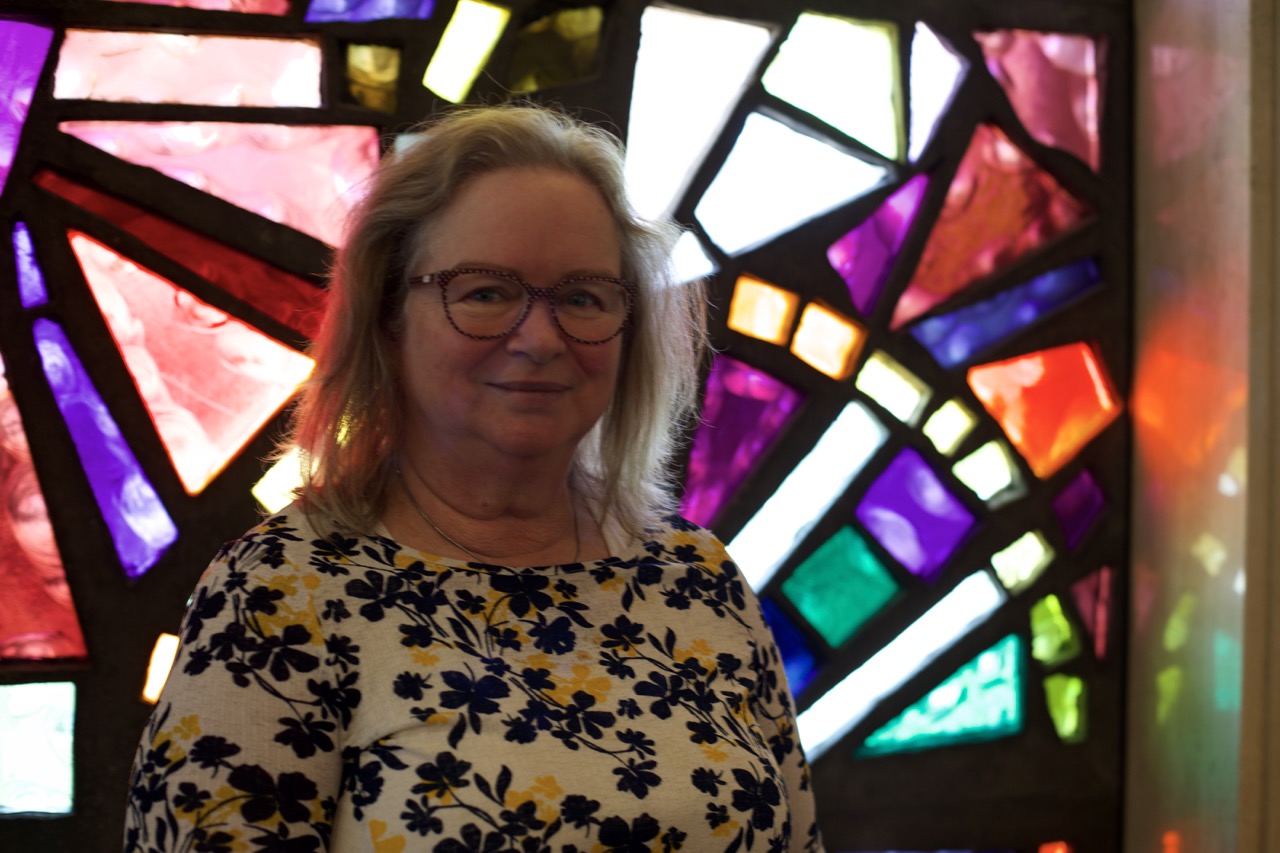
Donna is both a traditional and a self-published author, whose latest book Robot Hearts was published on 3 September this year.
“In traditional publishing the writer gives the publisher the right to publish their work, and they get a percentage of that. Usually it is around 10% of the price, and the publisher will do all the editing, marketing and cover,” she says.
“Ebooks are a little bit different. The writer will normally get around 30-40% of the price of the Ebook, but the writer does not have any say on how much the book will be priced at. The writer will take all the risk, they have to do all the editing, marketing, cover and list the book.”
Self-publishing monetisation
Monetisation in self-publishing is also vastly different from traditional publishing. If an author wants to list their book on Kindle Unlimited, they will only be paid for the number of reads the book gets. However, it is based on page reads, so if someone reads just the first ten pages, the author will only be paid for those pages.
Amazon Kindle also requires exclusive rights to the online version. Publishing in print is fine, but if the author was not getting enough reads on Kindle they cannot try a different site to get better results.
Authors can also pay to advertise on Amazon. For example, when a reader finishes a novel, Kindle makes recommendations of reads they may like to try next. The author pays to be on that recommend list.
“An author may say they earned $100,000 this year on Kindle Unlimited, but they may have spent $70,000 on the advertising,” Donna Hanson says.
Up to June 2024, Royal Road had fanfiction stories that were getting around the monetisation block. Writers would link their Patreon or PayPal for readers to pay for their stories. Royal Road made the decision for those writers either to remove their stories off the website, or just remove their links. Fanfiction already is a grey area in terms of copyright, and Royal Road chose not to be caught in litigation.
Fanfiction
For fanfiction stories that have been published from websites, it is a long process to change the story so as not to breach copyright. Famous examples are Fifty Shades of Grey (Twilight Fanficton), After (Harry Styles Fanfiction), and The Love Hypothsis (Star Wars Fanficton). Two of these, ‘After’ and ‘Fifty Shades of Grey’, have been turned into successful films — the first ‘Fifty Shades of Grey’ film grossed $567 million.

Rebecca Hayward, a creative writing student at University of Canberra and fanfiction lover, spoke about the difficulties publishing a fanficton novel. Rebecca detailed the legal difficulties of writing fanfiction online.
“It comes down accountability. When ‘fics’ are published, they can’t be be monetised as themselves, and you will see a lot of author’s notes saying, ‘don’t put on Goodreads, don’t sell bound books on Etsy,'” she says.
“It is a circle of accountability, to stay in the legality of it and not making money off it. But at the same time, doing what you love and doing it for the love of the fandom and not for the money.”
Rebecca said that fanfiction is not a new phenomenon. It has been around since the dawn of creative media. An early form of fanfiction were the Trekkies’ (Star Trek fans) fanfiction mailing lists. However, Rebecca also noted that the argument could be made that the Dante’s Inferno (from 1321) was Bible fanfiction.
Fanfiction is rapidly changing in the social sphere. What was once deemed only ‘smutty’ stories (stories with intimate scenes in them) are now making the New York Times Best Sellers List.
Future of publishing
Self publishing may have more freedom for the author in terms of marketing, editing and how their cover will look. But on the flip side, it is also a lot more work and a gamble to take, in the hopes the book will get famous.
With book stores like Borders closing down, and the short closure of Booktopia.com, some may think that traditional publishing may not exist in the future. However, Donna believes this will not happen. She says that both self-publishing and the online space, and traditional print publishing, will continue to coexist and compete in some way.
Whether a reader wants a hard copy book, an online version or to venture into fanfiction, books are here to stay in whatever form they take. How an author decides to monetise their work comes down to their reader base, and how much freedom they want.
Traditional publishing however, is here to stay for the foreseeable future.