
On the 25th of July 2024, the National Library of Australia officially presented the Hopes and Fears: Australian Migration Stories exhibition.
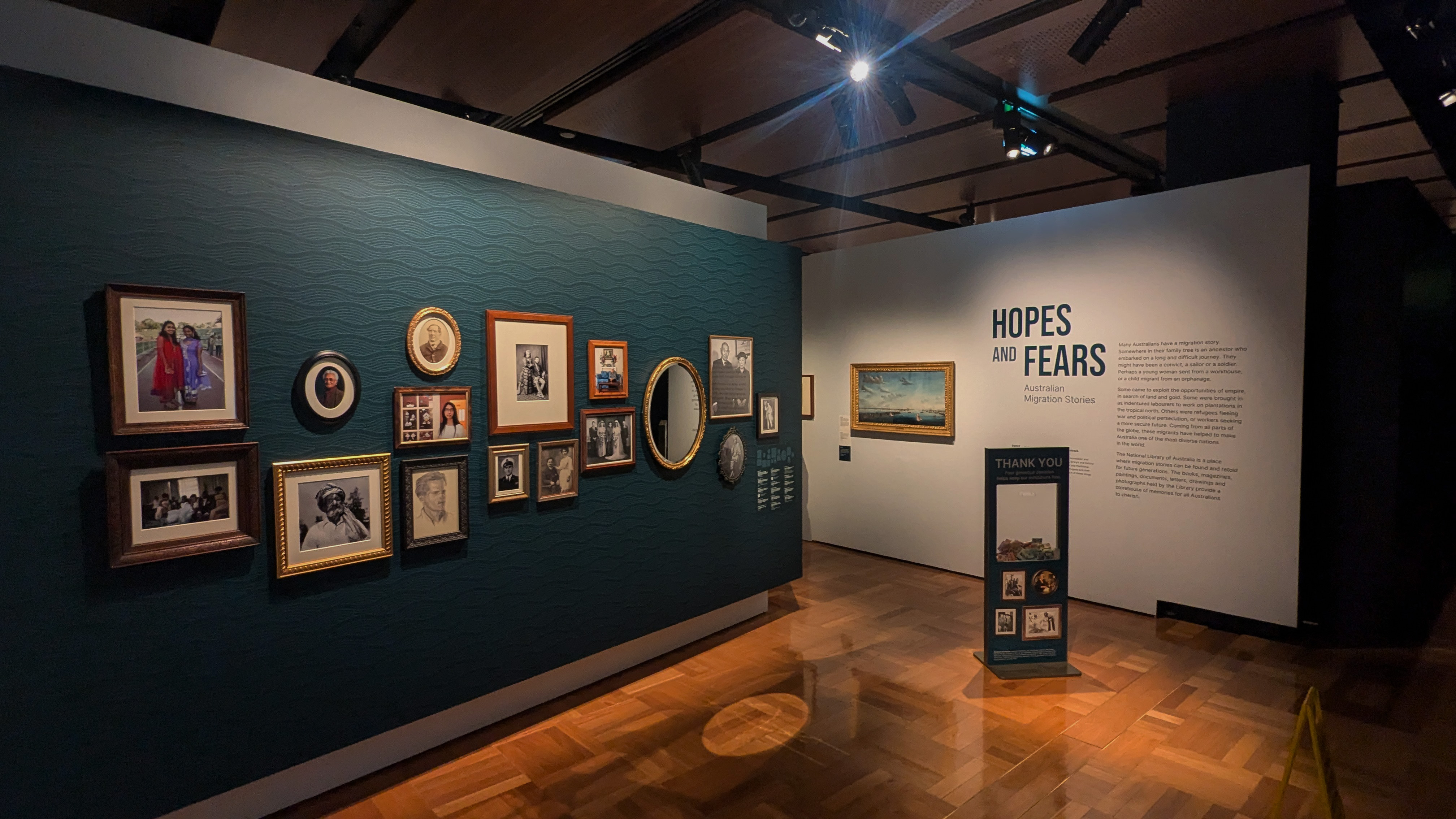
The exhibition officially began development in 2021. However, several setbacks, including the COVID-19 pandemic and the recent National Library construction, caused the exhibition to take 18 months longer to complete.
According to the National Library of Australia, the exhibition “showcases how migrants, who have come from all parts of the globe, have helped to make Australia one of the most diverse nations in the world.”
The exhibition displays many historical artefacts, including letters, passports, maps, illustrations, uniforms and various advertisements showcasing boat voyages and job opportunities encouraging migration into Australia.
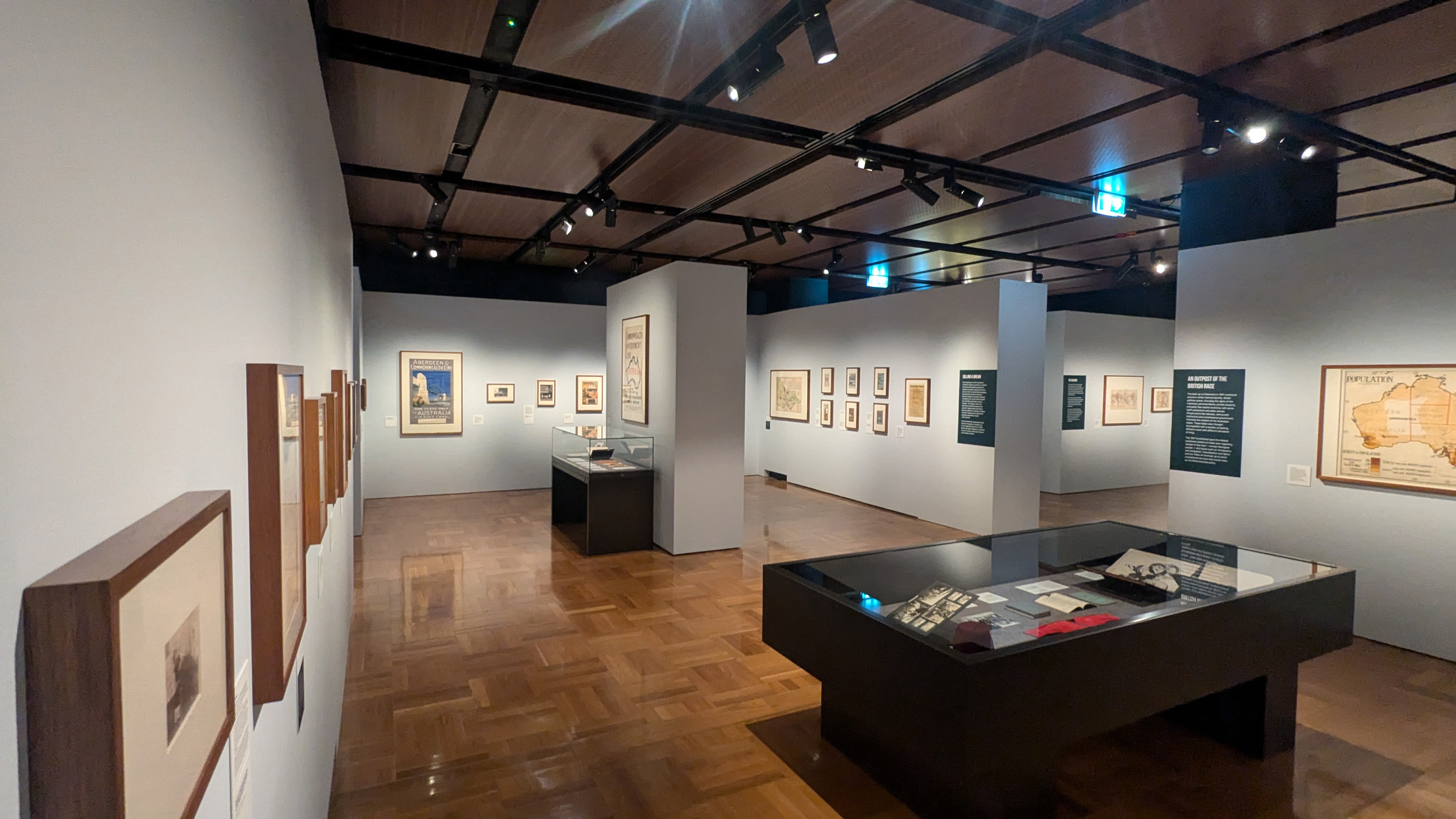
The exhibition’s primary curator, Karen Schamberger, spoke with us about the overall narrative of the exhibition, discussing the significance it holds for a variety of multicultural communities.
“The idea for the ‘Hopes and Fears: Australia Migration stories’ exhibition came from the latest collection development policy that dates back to 2020 during the review,” she said. “The new focuses are on First Nations, as well as culturally and linguistically diverse communities. That also flows into the library’s corporate plan and engagement strategy. So, the exhibitions team’s response was to develop an exhibition on migration history.”
Karen expressed her hope for different multicultural communities to experience the exhibition and identify their stories, while also experiencing and identifying the stories of other multicultural communities to establish an empathetic and mutual understanding.
If you can understand where somebody is coming from. You’re more likely to go, “Oh, okay. We need to figure out a solution to a disagreement that works for both.”
According to Karen, the exhibition has received a substantial amount of media attention and widely positive feedback from the public.
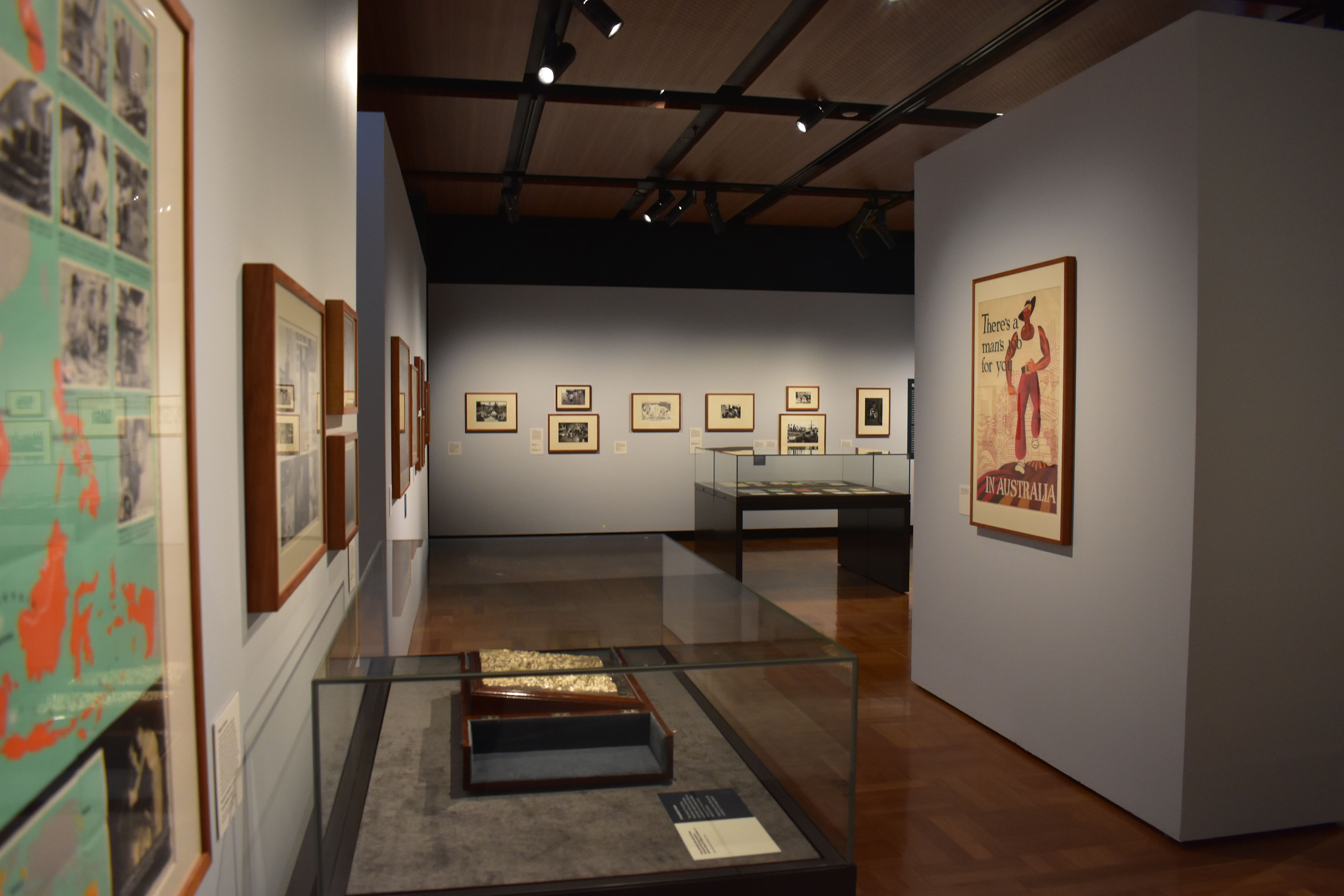
The current director of exhibitions at the National Library of Australia, Dr. Guy Hansen, says, “most, if not all, of us have a migration story in the family.”
“To understand history, we need to interrogate the evidence that has survived from the past. The photographs, letters, books, posters and pamphlets in this exhibition are a reminder of these powerful histories. These stories are an integral part of our family histories and by extension, our identities.”
Dr Marie-Louise Ayres FAHA, the current Director-General of the National Library, further adds that the exhibition embodies the natural development of many modern Australian communities.
“The National Library will continue to build collections about the lives, experiences, publications and organisations important to migrant communities,” she says. “These stories enrich the national collection, just as migration has enriched Australian society, immeasurably.”
The National Library of Australia provides a reminder of Australia’s rich migration history through the exhibition. It provides the opportunity for historical artefacts and unique stories to be discovered and shared among diverse multicultural communities, and identifies how the practice of migrating to Australia has drastically changed over the years.
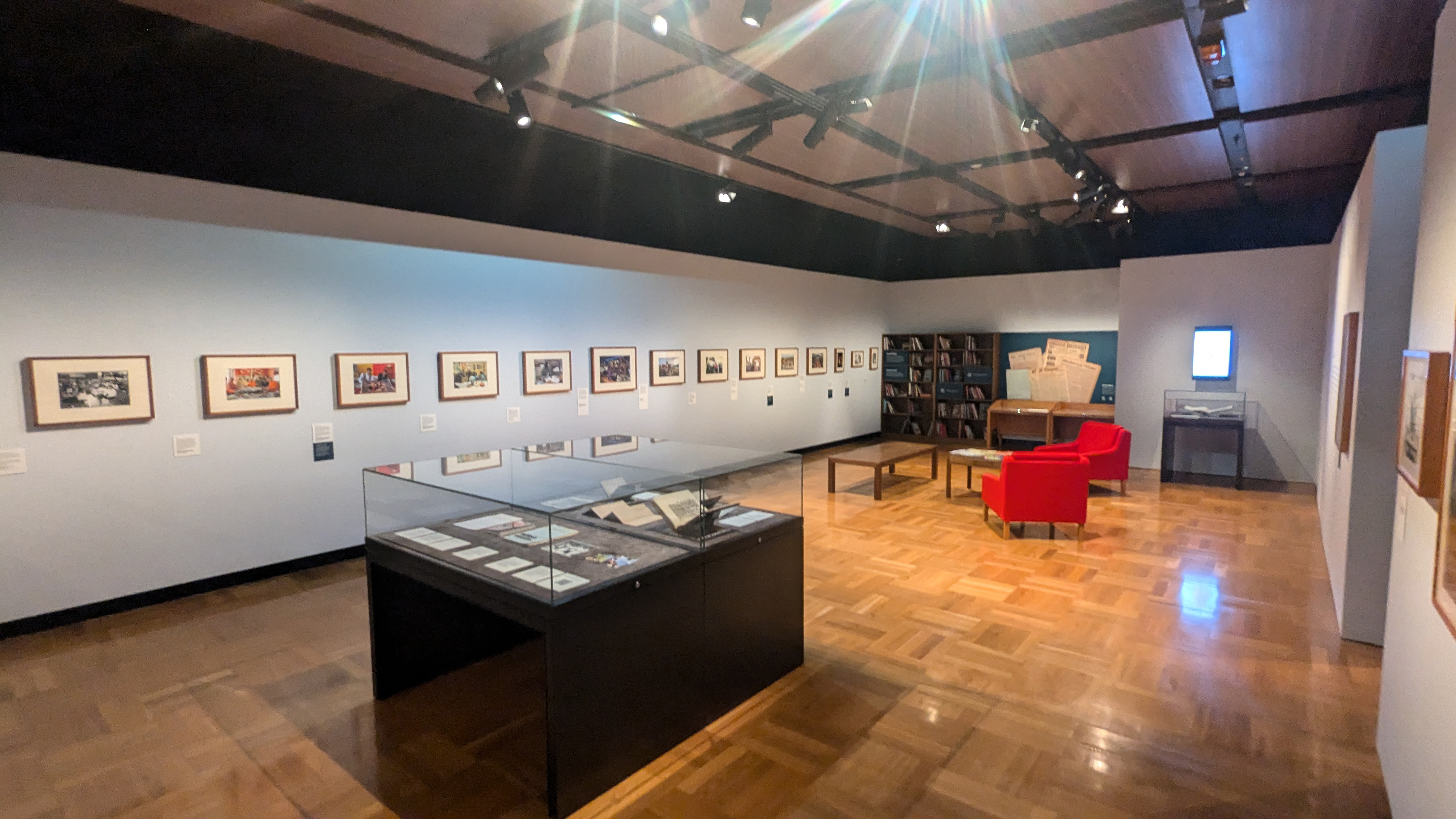
Visitors to the exhibition are also granted full access to a specifically curated “Book Nook” which is dedicated to displaying various biographies, journals, illustrations, recipe books, and several forms of written media, highlighting Australia’s rich multicultural history.
The exhibition will run until February 2nd, 2025, providing ample time for those who haven’t experienced the exhibition for themselves, to do so.