
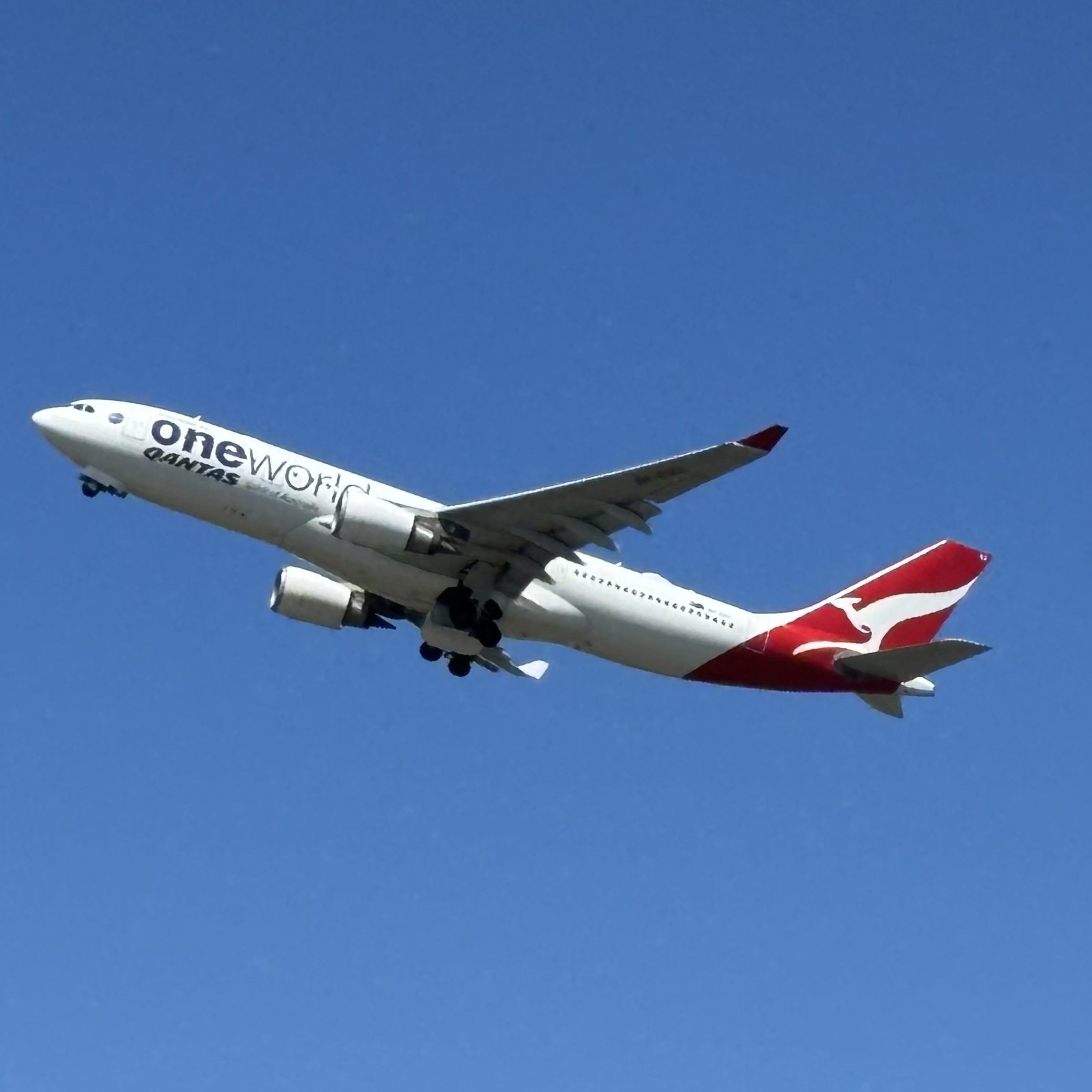
For ten years, the families of the 239 souls on board flight MH370 have waited. No answers. No wreckage. No closure.
The flight vanished from radar screen on 8 March 2014 and despite the most expensive search in aviation history, this tragic chapter has never fully closed. A few pieces of debris washed ashore, but no full story.
Now, almost a decade after the flight initially vanished, a new chapter has begun. Ocean Infinity, a maritime robotics company, is launching a renewed search to find the missing aircraft. Leading that search is Andy Sherrell, the company’s Director of Maritime Operations.

Sherrel is no stranger to deep-sea investigations, with experience not just on MH370 but also having worked on a number of other high-profile operations, such as the discovery of the ARA San Juan and Shackleton’s Endurance.
In 2018, Ocean Infinity, found the ARA San Juan, a missing Argentinian submarine lost in the South Atlantic Ocean for a year. And again, in 2022, Ocean Infinity supported the search that found the Shackleton Endurance, trapped beneath the ice for 107 years.
Sherrel also played a key role in the initial MH370 search and has spoken candidly in the past about the use of cutting edge technology, its challenges, and the emotional impact of the search.
But for him, the MH370 search has a special significance. On the day MH370 went missing, his daughter was born.
I spoke to Andy Sherrell about the role of new underwater search technology in the search, the personal impact of mentors like Peter Foley, and the emotions driving the latest efforts to solve one of aviation’s greatest mysteries.
Q: What drew you to this line of work and how long have you been in the industry?
A: I’ve been working in underwater operations for over 25 years. Every mission is different, you’re working at extreme depths, in remote places, often under intense emotional pressure. But it’s incredibly meaningful work.
Q: How did you end up working for Ocean Infinity?
A: I joined at a time when they were just starting out. I’d spent years on deep-sea searches using slower, crewed vessels, but Ocean Infinity was testing newer autonomous systems, which really interested me.”
Q: What has been your most memorable experience so far at Ocean Infinity?
A: The San Juan project is definitely memorable, being such a big operation. It showed us what we were really capable of with the tech. I believe that the success of the project sort of set the standard for everything that’s followed, including this new [MH370] search.
Q: What differentiates this new search from previous efforts?
A: We have better tools and more data now. Even five years ago, our autonomous underwater vehicles (AUVs) were not as capable as they are now. We are encouraged by the refined search area, which is based on satellite data and better drift modelling. Every search that came before this one taught us something.
Q: Which mentors have influenced your strategy throughout the years?
A: Peter Foley, who oversaw the Australian Transport Safety Bureau’s initial MH370 search was an excellent influence. The standard was set by his diligence, composure under stress, and leadership skills that turned our team into a family, all driven towards one goal, to find the plane. His example has been crucial in an investigation like mine, where i’ve essentially been placed into a similar leadership role.

Q: Your daughter was born on the same day that MH370 disappeared. How do you view that, do you believe it could be fate or just a coincidence?
A: It’s something I consider often. I am aware that in the moment i was experiencing the overwhelming emotions of bearing my first child, hundreds of people were about to experience unspeakable sorrow over loss of their families with the plane. I feel more purposeful because of the connection that Clara’s birthday serves, its a constant reminder that this pursuit is important. So I guess I do believe its fate, as it give me a stronger drive to find the plane”
Q: What would it signify if MH370 were discovered now?
A: Acknowledgement. For the families. They’ve done enough waiting. They would finally receive some sort of closure or answers. For me, that would be tremendously fulfilling. It would seem as though a circle was finally being closed.
Original photo by Sophie Foley