
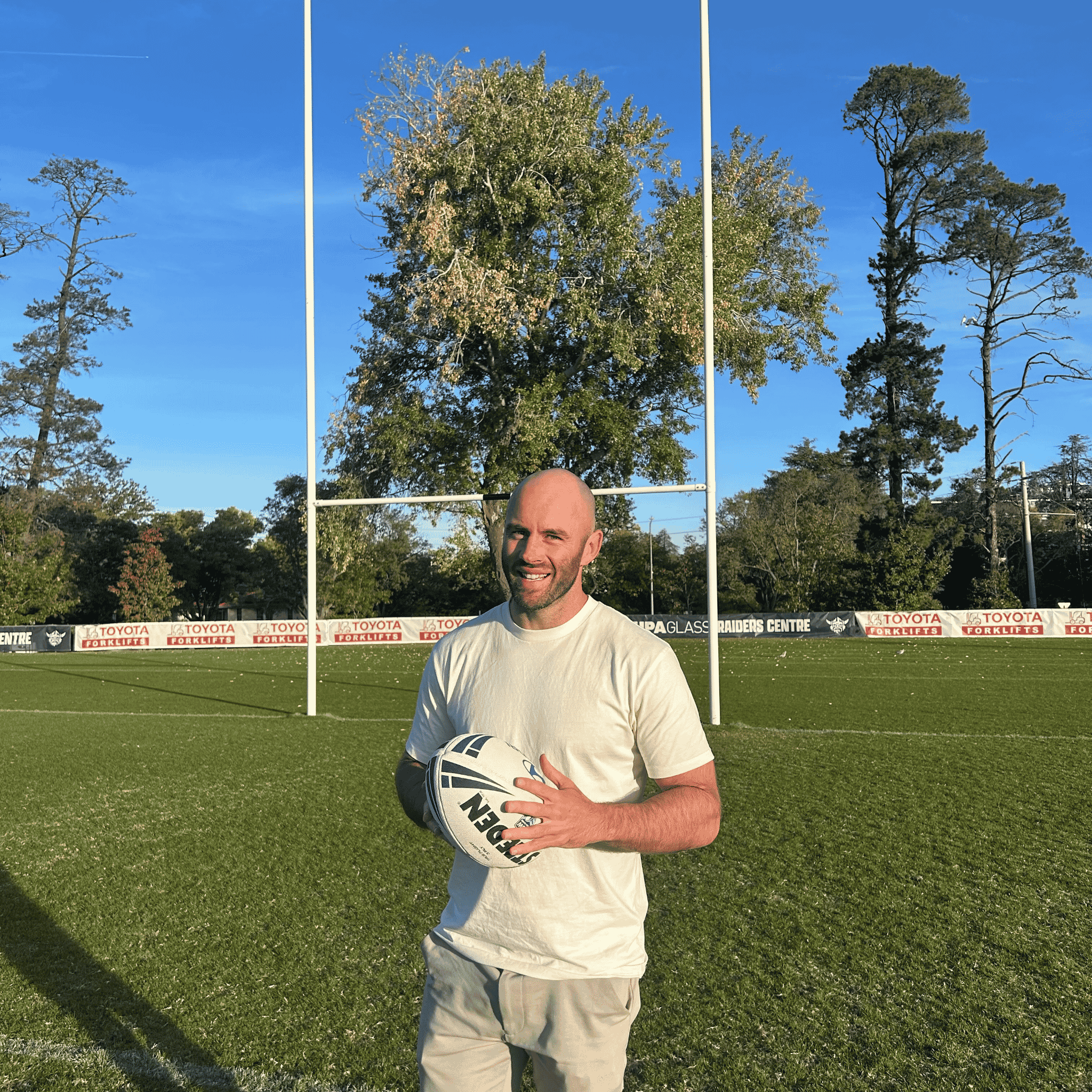
Matt Frawley has returned to Canberra this year, having called time on his professional career within the NRL and Super League. Matt’s career spanned over nine years, including stints at the Canterbury Bankstown Bulldogs, Huddersfield Giants, Canberra Raiders and Leeds Rhinos.
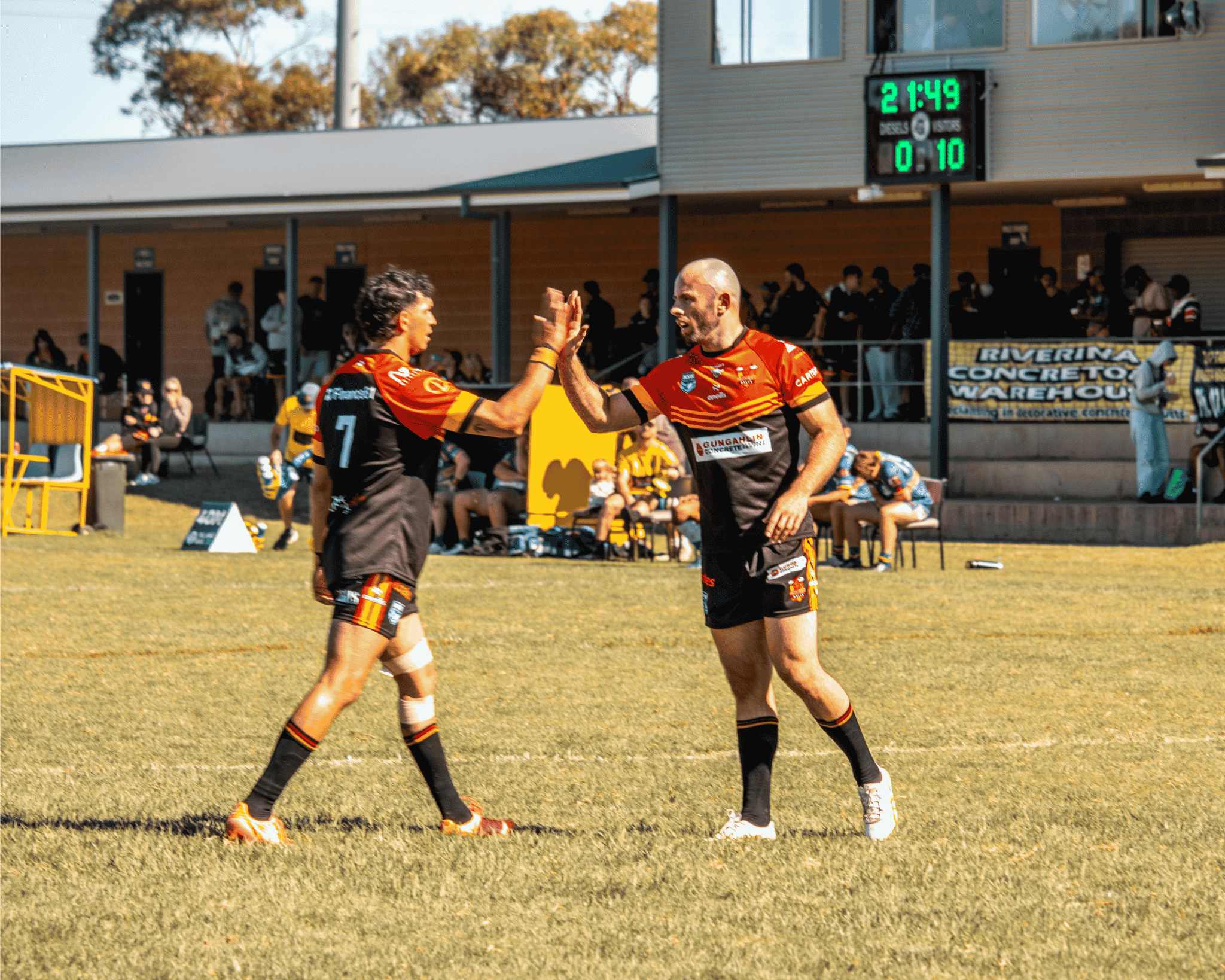
Frawley’s playing days aren’t completely over however, taking on the role of captain-coach for the Gungahiln Bulls in the Canberra Raiders Cup.
I recently sat down with Matt, exploring his decision to return home, as well as the significance of professional athletes returning to community driven competitions.
Q: Can you give some insight surrounding your decision to continue your playing career in Canberra this year?
A: I finished up overseas in October last year, when the season finished. The lead up to that decision was probably six months in the making.
We were happy over [in England]. It was a bit of an up and down year for me footy wise, in terms of a bit of injury stuff, and leaving Leeds and going out on loan.
I’d originally made my decision to go to France and finish my career over there, but came home for a few personal reasons. It was more a life decision than a footy decision coming back to Canberra.
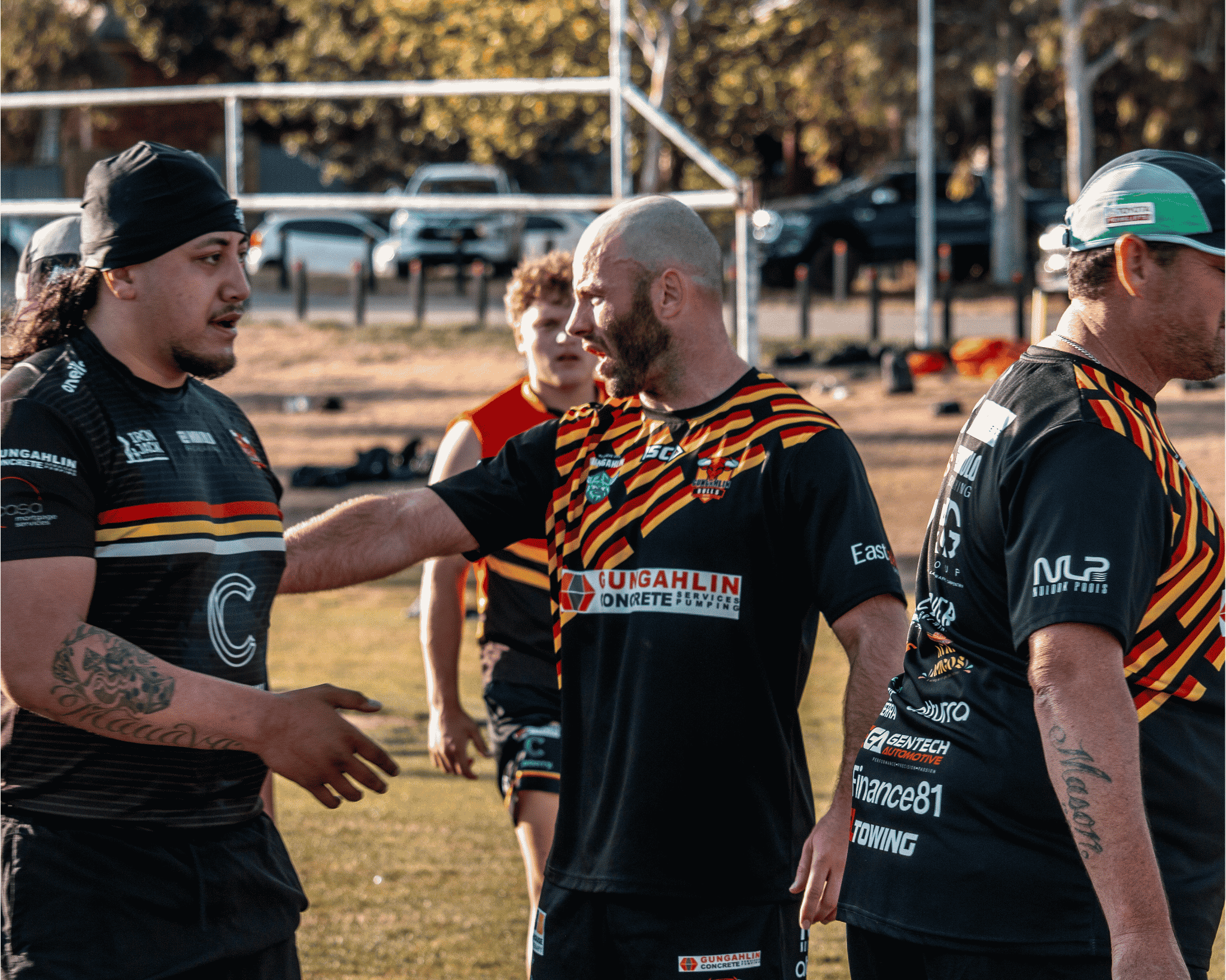
Q: You were a Belconnen junior growing up, so what was it about the Gungahlin Bulls that was attractive to you as a player?
A: I always wanted to go back and play for Belconnen, so that was my first call when I knew I was coming back. It was to the Sharks and they were great.
They were keen to have me back and everything, but the Bulls were pretty interested from the start.
I suppose an opportunity to captain-coach and do it with Josh Hardy, who has already been there and had a few connections with Rocco Sullivan and one of my best mates. Just a few connections there made my decision for me.
Q: How would you describe the importance of professional athletes returning to community level sports?
A: It’s a really important thing for the game, to I think promote. I think James Maloney talking about it in terms of incentivising players, especially to go out to country regions for players that have just recently retired out of the NRL. It’s the grassroots where you start playing your footy and even in the first grade, it’s what footy is all about.
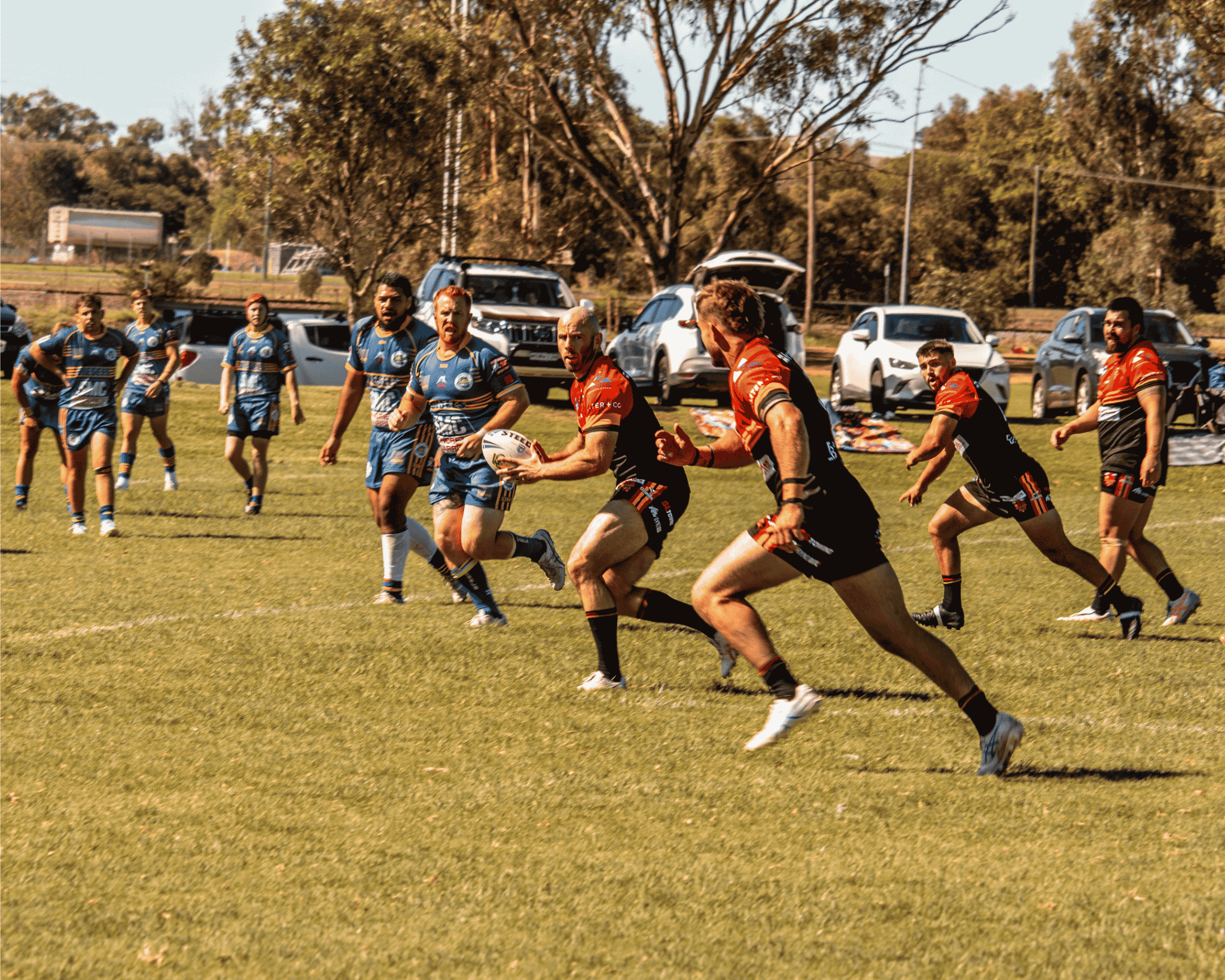
Q: Now you’re back in these environments, has your outlook on what it means to be a professional athlete changed at all?
A: Yeah I think it does. I never took it for granted, I was always really hopeful that I’d make playing in the NRL but realistically that was never a path I was treading when I was a junior.
You do realise the other side of it, of just people turning up and still putting their body on the line, and training and committing and really being invested in the game just for the love of the sport and being a part of the community.
Q: How do you balance the development of the younger and less experienced players while also focusing on your own game?
A: I probably don’t focus on my own game too much to be honest, which might not be the right way to do it to. I still need to go out and play well, but you know, my main goal and my main reason of doing it, is to help others get better.
I’d love to see the boys improve and just be part of their development. We’ve got quite a young group of fellas at the Bulls, which was another reason why I went there.
I think we have made improvements along the way, which is the best part of coaching, I’m starting to get a sense of that now.
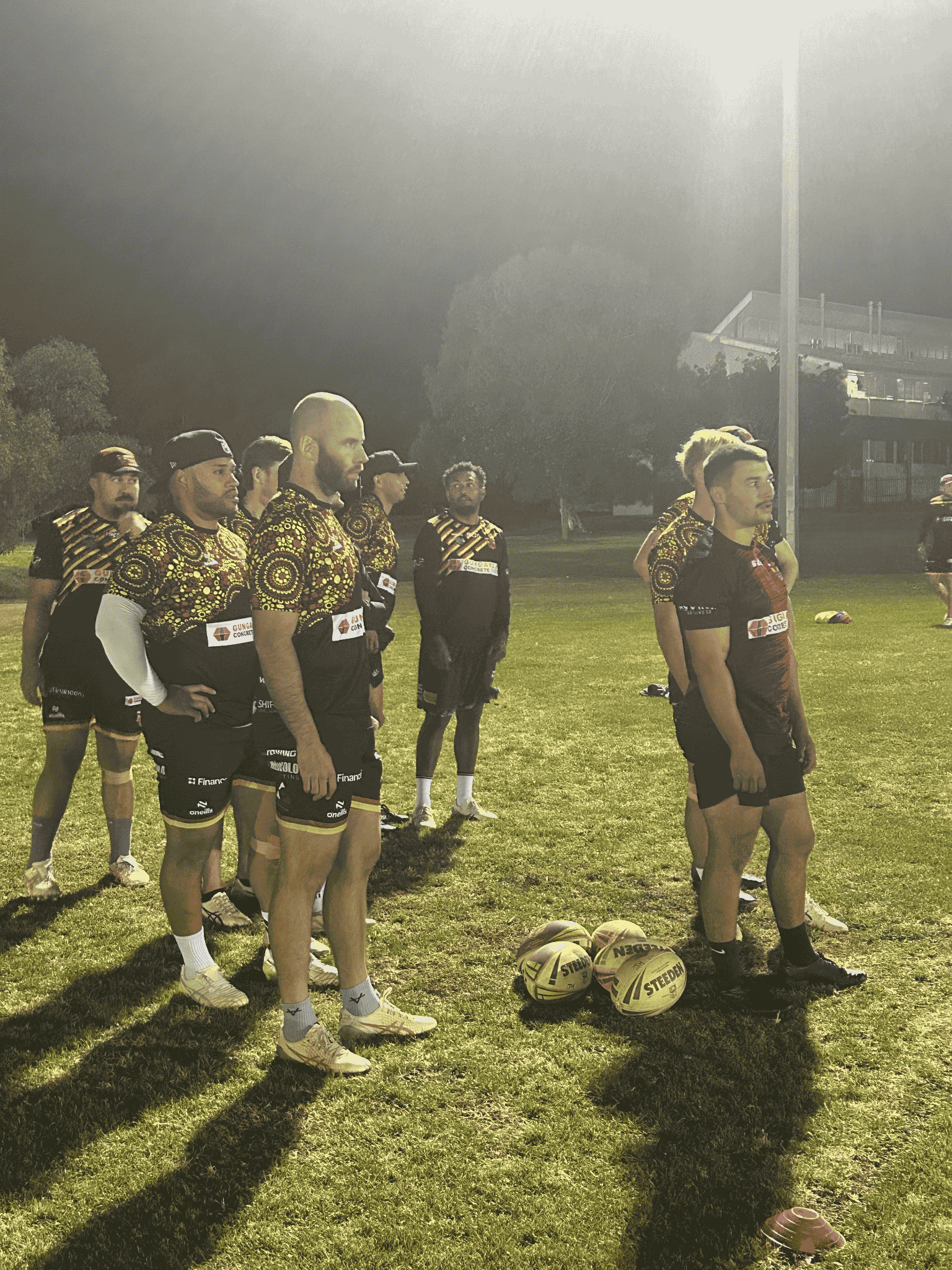
Q: Having played within four different professional environments, what are some of the key operational characteristics you’d like to implement at the Bulls?
A: I’ve tried to get the balance right of making it a semi-professional environment, but not going too far in terms of how we do things. We’ve implemented video sessions and reviews, and a few things I’ve taken from my time as a professional athlete.
I don’t want to make it too serious, where it becomes a drag. I think it’s just the communication between myself and the players on this is what I want to do, is this too much? Are you guys enjoying it? What are you getting out of it?
They’ve been really good with their feedback.
Q: You’ve been coached by some polarising figures throughout your own career. Are there any approaches implemented by these figures that you’ve taken on board personally?
A: Something that I’ve tried to bring into my coaching is being direct with the players and giving them really direct feedback. But also having the relationship on top of that, because if you’re just spraying and not having that relationship, it’s going to go in one ear and out the other.
Q: Do you see a career in coaching beyond your current role at the Bulls?
A: I was quite intentional in terms of not wanting to go fully into football straight out of a playing career, into full-time coaching. I want to experience a bit of life outside of footy.
If it was just coaching by itself, you’d do it every day but it’s all the stuff surrounding being a professional coach. You live it as a player, which is a benefit and a hindrance at some stages.
It’s definitely not a no, let’s just see where it takes me in a couple of years if I’ve got the itch to really get back into it.
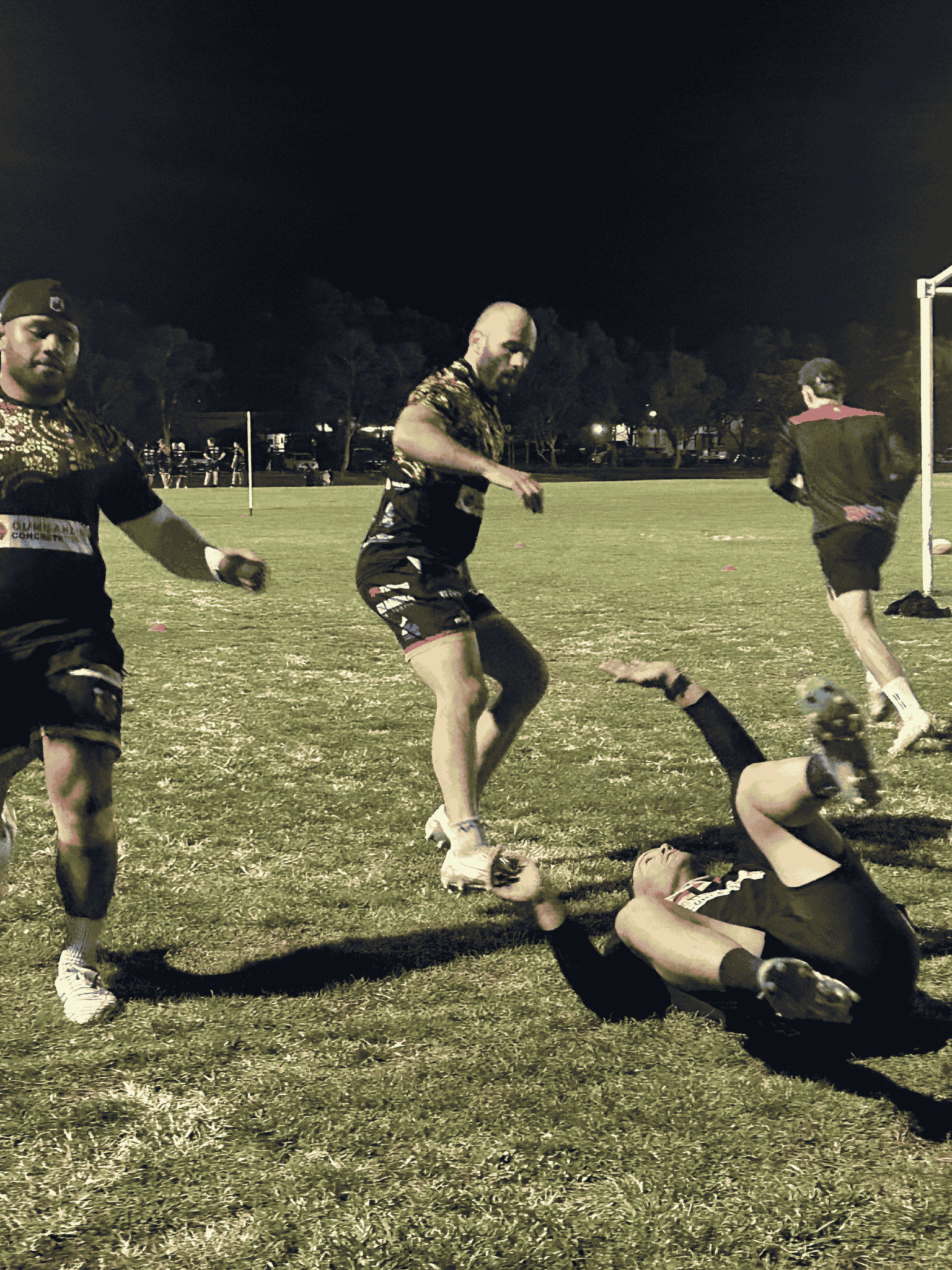
Frawley’s journey mimics the path shared by many professional athletes, highlighting the continued importance of giving back to the game at all levels. The rugby league community in Canberra should be excited to have his experience and skills brought to local games.
With the 2026 season only just underway, local footy fans have a fantastic opportunity to catch Frawley and the Gungahlin Bulls in action.
Original photos by Reuben Mudge