
Growing up in the small country town of Molong , NSW, Lily Bone’s pathway to professional rugby was anything but easy. With limited access to girls’ competitions and long travel hours to Sydney and Canberra, her rise through the ranks has been defined by grit, determination, and community support.
Now a Brumbies player and nursing student, Lily is balancing elite sport with university and part-time work all while inspiring the next generation of female athletes from rural Australia.
I caught up with Lily to talk about her early days in rugby, her transition from boys’ to women’s comps, and her message to young girls chasing big dreams in small towns.
Q: Growing up in Molong, your rugby opportunities were limited. What challenges did you face playing in a regional area?
A: One of the biggest challenges was that there wasn’t a girls’ competition for a long time. I tried league tag but didn’t enjoy it, so I switched to tackle and started playing with my brother my dad was our coach and encouraged me to give it a go.
I played league with the boys until I was 12, then switched to union and stayed in the boys’ comp until I was about 15. After that, I needed a special dispensation to play women’s rugby.
The hardest part was travel during Years 11 and 12, I’d go to Sydney three times a week for Tasha Gale Cup, and Canberra two or three times a week for Brumbies U18s, all while studying for my HSC.
Q: You were in the boys’ comp until you were 15. How was that experience—did it help or hinder your development?
A: It definitely helped. As the boys got older, they hit harder and were more physical. That forced me to adapt quickly and toughen up mentally.
Even now, I still get knocked around at training, but growing up like that taught me to bounce back. And having two younger brothers constantly challenging me helped build that resilience too.
Q: Were you the only girl playing at the time?
A: For a while, yes. At Orange City, we eventually had a few girls come through, but it was rare.
There was another girl in my league comp from Parkes we were competitive on the field but had a good laugh afterward. It helped having another girl around; we pushed each other.

Q: What was the biggest adjustment when you switched to women’s rugby?
A: The pace and training mentality. Girls approach drills with more focus they want to get it right and keep going until they do. The environment also changed. With the boys, it was rougher and more playful. With the girls, it was more supportive and encouraging, which I loved.
Q: You’ve played for teams like Orange City and the Trash Gale Roosters. How difficult was it to adapt to new environments, especially with all the travel?
A: The travel was the hardest part. Mum had to take time off work to drive me because she didn’t want me doing those long drives alone.
I’ve always been talkative and confident, so fitting into new teams wasn’t too hard. But juggling training, school, and sleep was a challenge I’d nap in the car, then wake up for school the next morning!
Q: On top of rugby, you’re studying nursing. How do you manage everything?
A: It’s exhausting! I have uni three days a week face-to-face classes because I can’t focus online. I also work a couple of days a week to support myself since we don’t earn much as women in sport.
We train around 3–4 times a week, sometimes more. The Elite Athlete Program at uni is a lifesaver they give us support and flexibility with assessments when we’re away for games.
Q: Were there moments when you felt you had to choose between rugby and everything else?
A: Absolutely. Last year, I broke my wrist and needed surgery. I missed a uni unit and my first nursing placement, which made me question everything.
But when I came back, the support from the team reminded me why I love the game. Rugby is therapy for me it helps me get through the tough stuff.
Q: What would you say to young girls in rural areas who dream of playing rugby but feel the pathway is too difficult?
A: Nothing is impossible. When I was younger, I saw boys playing and thought, “Why can’t I?”
Now, the opportunities are there you just have to work for them. Push yourself, believe in your dream, and don’t give up. You can do it.
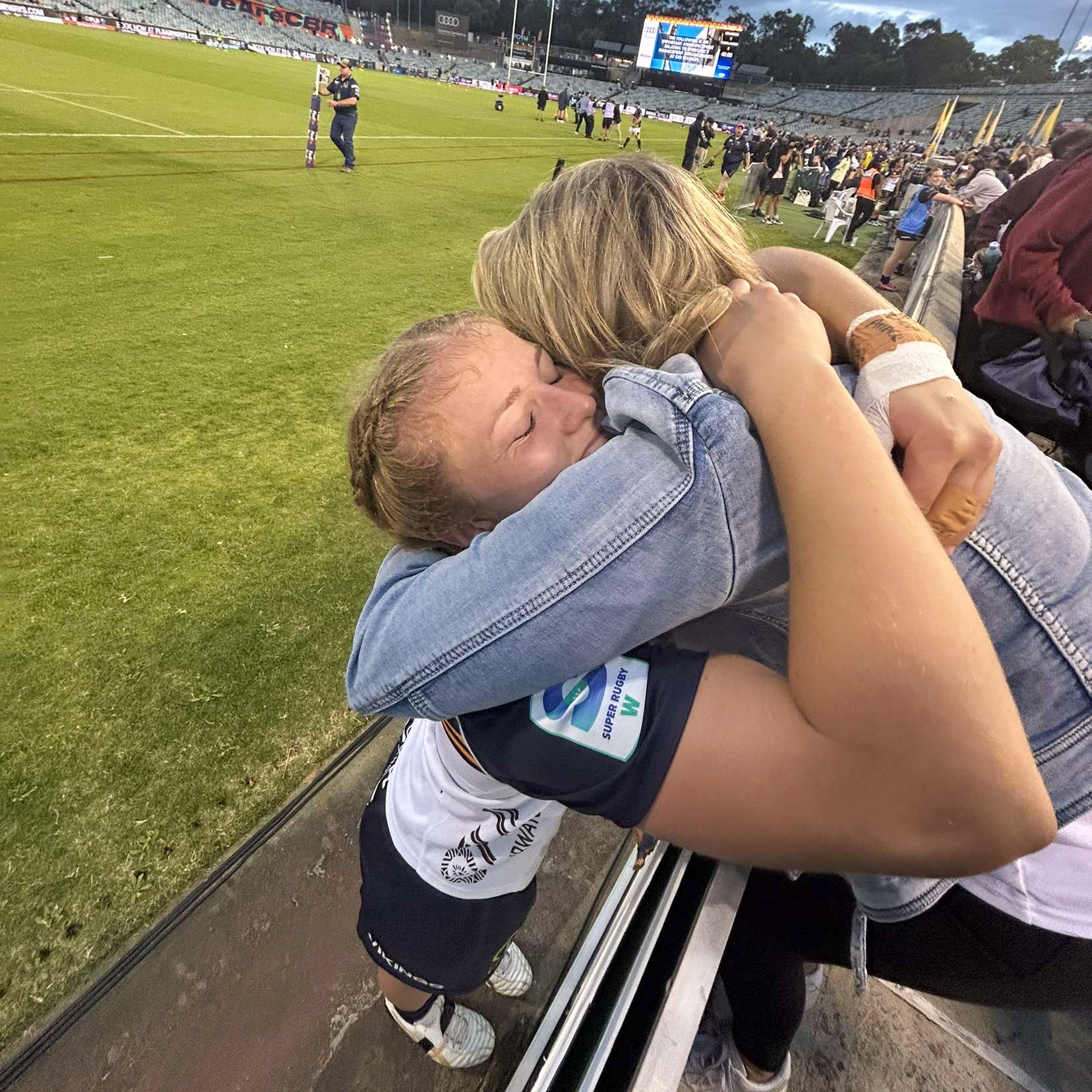
Q: Do you think there are enough opportunities for regional athletes in women’s rugby? What needs to change?
A: Honestly, no. It’s really hard to get noticed when you’re from a small town. The travel makes it even harder to balance everything.
We need more regional academies and support systems so girls don’t have to travel hours just to train. That would make a huge difference.
Photos by Emma Stuart