
Mel’s move to Kiribati not only gave her a sun-kissed glow but also sparked an enlightened understanding of her life and who she wanted to be.
At age 25, Mel Kent moved with her then-husband to the small island nation of Kiribati, a series of 30 islands and coral atolls in the Pacific region.
To say the move was a massive change is an understatement.
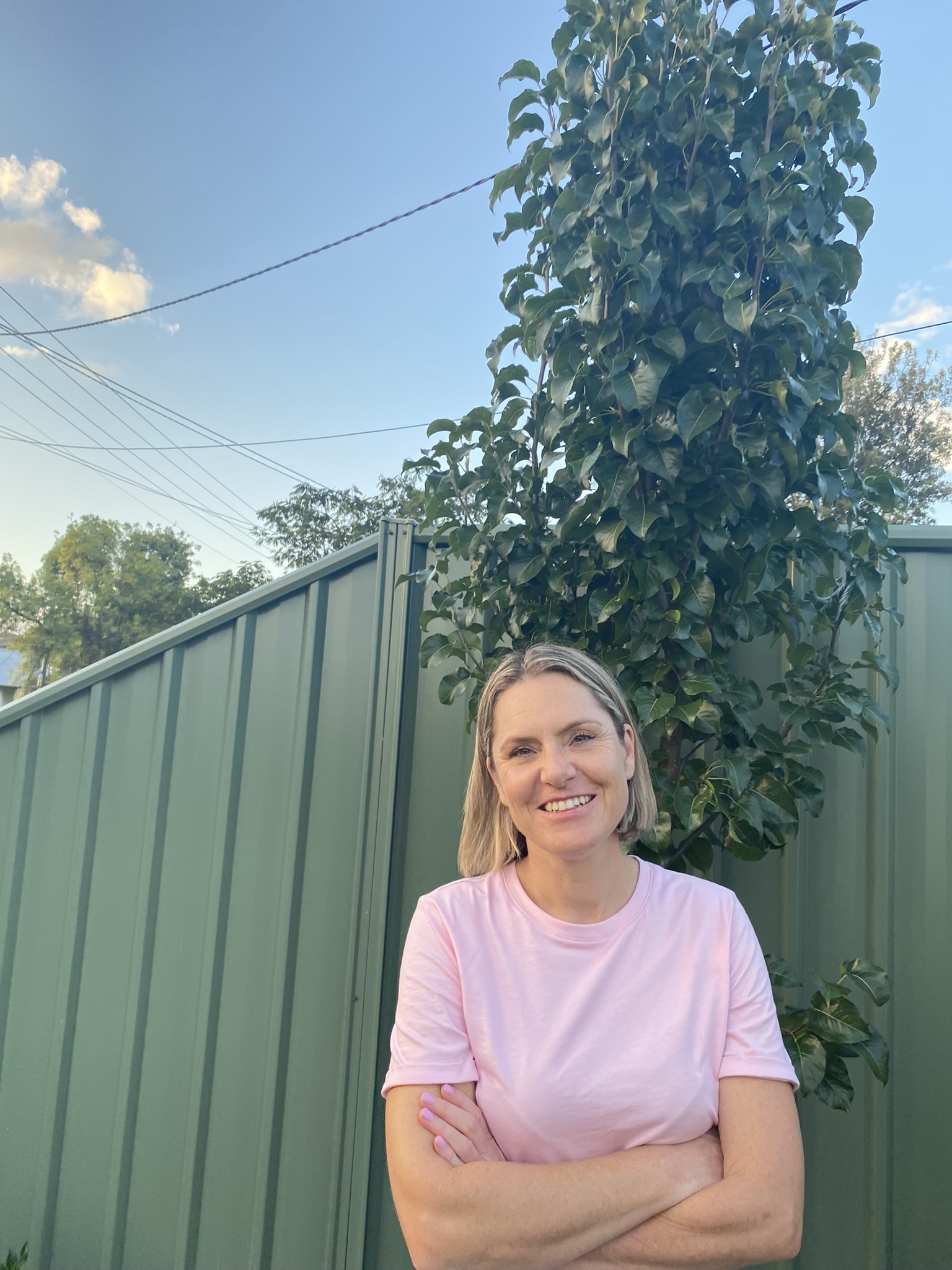
Having only left Australia for a week-long holiday at most in the past, Mel was suddenly standing in the searing heat of the small island of Tarawa.
Her new home.
As she travelled by car across the island’s singular road from the airport, Mel was hit with a terrifying realisation. After a lifetime of study and work, she had no idea what to do.
“They had given me no information, education, or training … I had to figure it out myself,” Mel says.
Key Points
- Mel faced several challenges during her time in Kiribati, from electricity outages, food shortages, and isolation, to working as a first-time prosecutor.
- These challenges and the optimism of the Kiribati people informed who she wanted to be.
Isolated in a country with an entirely different environment and way of life, Mel had no choice but to adapt to various challenges.
“It was completely third world,” she says.
“Most people lived in [Maneabas or Kikeyas] open to the elements … without electricity.”

The food situation was similarly fraught, with the island’s food supply arriving via ship in less-than-desirable conditions.
“I remember the first day we were taken to some supermarkets [and] I picked up a packet of noodles … and there were holes because weevils had gotten into it.”
“We just had to learn to make do with what you could find. Be adaptable. I ate a lot of frozen and canned vegetables … but it was also not very sanitary.”
Mel was also disconnected from her loved ones, being unable to call or email them.

Mel eventually found work in Kiribati, her first job as a prosecutor, though with a far greater level of responsibility than would ever have been imparted to a first-time lawyer in Australia.
On her first day, Mel was pointed towards a filing cabinet full of outstanding matters and put to work.
“I got the court set up for the entire year [and] filed indictments for some matters that had been sitting there for nearly 11 years.”

When faced with these challenges, Mel drew from the positivity and resilience of the Kiribati people.
“They just had such different attitudes to life,” she says. “If they had enough to eat and family around them, they were happy. Really warm, friendly, generous people … always laughing.”
Through these challenges, Mel grew to appreciate her good fortune and decided what type of person she wanted to be.

“It really taught me who I was …
Did I want to be a person who looked for the … positive in what was … a really difficult experience?
Or did I want to be the kind of person who would pick apart the experience and focus on the negatives?
I chose to be the former. “
-Mel Kent
Since living in Kiribati, Mel has travelled the world, from Mauritius to Malta. 23 years later, she still thinks about the lessons she learned in Kiribati.
“You only learn through adversity and proving to yourself that you can do something,” she says. “If you’re interested, I recommend volunteering through organisations like Australian Volunteers Abroad. Get out of your comfort zone.”