
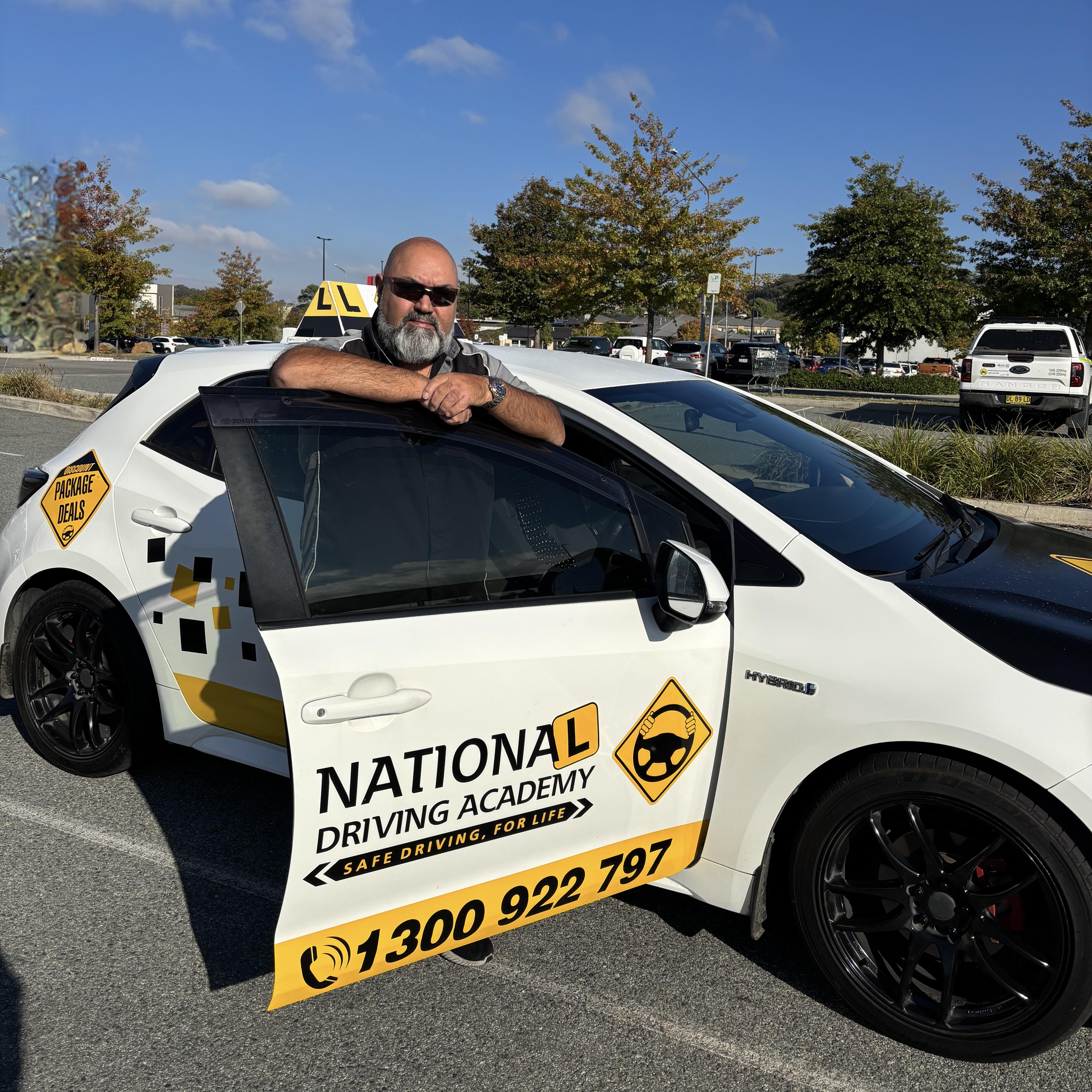
People often turn to a driving instructor for lessons when they’re first getting behind the wheel. Once they pass that test, the driving instructor is forgotten.
In Australia, there are approximately 451,211 driving instructors who have chosen a career that sees them sitting next to a driver who has possibly never done this before or has very little experience.
Babar Chohan is one of these driving instructors, with 41 years of experience in teaching new drivers the way of the road.
His expansive career has seen him manage a car sales business in the UK, conduct unarmored and armoured vehicle training, security vehicle training, work for the Australian New Car Assessment Program on the safety aspects of vehicles, and hold advanced driving courses.
Babar’s career has been quite a journey – but he hasn’t always been working in the motor industry.

In fact, his role as a sports coach was the final push for him to become a driving instructor.
I wanted to know what it’s really like constantly getting into the passenger seat of a car with a new driver behind the wheel and Babar had the answers.
Q. What made you want to become a driving instructor?
A: In the beginning, I used to be a ski instructor. In Europe it was quite common that a lot of Winter sport instructors in the off-season were driving instructors.
What we discovered was it was a very similar skill. It was an outdoors activity, it involved speed but it also involved quick reactions, control, awareness and variables (weather conditions, traffic flow).
It was very similar to what happens on a mountain.
Q. What is it like continuously getting into the passenger seat with a driver who’s never been behind the wheel before?
A: From an internal point of view, I don’t really feel anything.
From an external point of view of what my students tell me, I’m quite relaxed and I don’t show any reaction or emotion whether they do the right thing or the wrong thing.
When they do the right thing, I acknowledge that they’re doing well. If they do the wrong thing, I help them understand what was right and what was wrong.
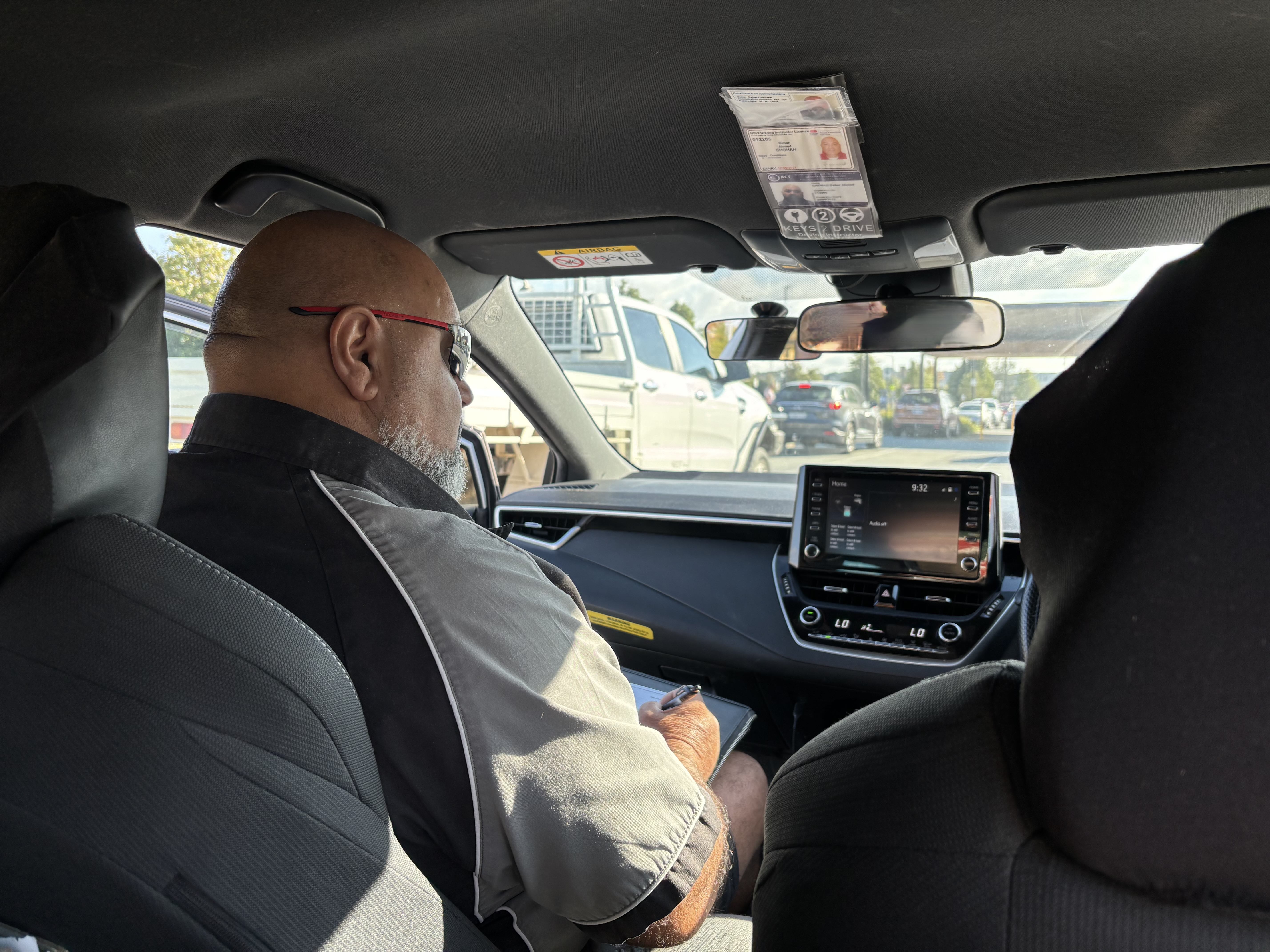
My doctor likes to say otherwise, he says ‘Oh your blood pressure is a bit high’, but I don’t feel that. The sensitivity of what I used to be like, maybe 41 years ago is completely different to where I am nowadays.
I also try and be sensitive to the students’ reaction and never put them in a position where they feel it’s dangerous or they’re scared and there’s no help.
My analogy is from skiing – you can take them to steep runs but only when they’re ready. Don’t put them in a situation where they’re not ready for it and that it becomes so scary that they really don’t like it or don’t want to do it.
Q. What is the best part of your job?
A: People achieving their driving licenses.
Q. What’s the hardest part of your job?
A: Seeing other road users that are insincere, unaware, [and] entitled breaking the rules around learners. That’s probably the worst part of the job.
Q. What’s your goal in being a driving instructor?
A: Safer drivers on the road. That’s my biggest aspect – to create good safe drivers and making sure that they’re 100% ready to drive on the road with confidence and that they feel they’ve gained something from every single driving lesson that they’ve done.
Q. What’s your motto for each lesson?
A: Be prepared. I ensure that mentally and physically I’m prepared and that the machine I’m using for the driving lesson is up to the absolute standard that’s required.

Q. How do you deal with the stress of each lesson?
A: I don’t carry much stress from it because my next preparation is my next student so I always prepare myself for each student before I get there so I’m picking up where I left off with them last.
It doesn’t mean the last student was forgotten, it means I’m moving on to the next student’s requirements and deal with that as I go along.
I don’t let situations affect me too much because it’s important that nothing is carried from one student to another student.
Q. How does your previous experience as a sports coach help you now?
A: It helps me to be able to articulate what is required and also be able to assess the person of what they’re capable and what they’re not capable of doing.
That really comes from teaching and assessing and that’s basically the main point of being a driving instructor – being able to teach and assess.

Q. What are the similarities between sports coaching and being a driving instructor?
A: Being outside in different areas and different surroundings and circumstances, it’s virtually the same as what used to happened on the mountain.
There were different areas, different surroundings, but you’re still on a circuit – the same as roads. To me, it wasn’t a big transition from winter sports to sitting behind the wheel because it’s still teaching people something that they’ve possibly never done before.
Also understanding what the vehicle can do for a student, the same as understanding what skis can do and what the student’s ski goggles will do for them. In skiing, there are tools that will help you navigate through what you need to do and funnily enough, that’s what driving is about.

Q. How has the industry changed over time since you first started working as a driving instructor?
A: It’s more regulated now — there are more requirements to become a driving instructor.
Technology has advanced so much that not only is it important to be a good instructor, but it’s also important to understand the machines we are teaching people in.
Q. What message do you wish you could pass on to people who are on their P plates?
A: Remember what you were taught.
Remember the good things.
Reflect on the scary moments and see what you or the other driver could have done better to not have yourself in a situation that was dangerous or vulnerable.
Photos by Tia Priest-Willimott