
We all remember that feeling of finishing a long day of primary school, getting home, and turning on the TV to watch our favourite cartoons. Many of you may have clicked through to Nickelodeon, to watch the anime-style series Avatar: The Last Airbender (ATLA).
Following the story of a group of kids who have the power to ‘bend’ water, earth, fire and air using martial arts, ATLA quickly became a critically acclaimed and universally loved show. It explored themes of war, genocide, imperialism, and totalitarianism in a child-friendly way.

And now, almost 18 years since the original series was released, Netflix have dropped a live-action adaptation. I know what you’re thinking, ‘again? Our childhood favourites are being ruined by live action remakes!’. But hold your disappointment– Netflix might not have dropped the ball on this one just yet. I’ve skipped through the Tik Tok hate train, and the endless articles and comparisons online, and let’s just get it over with: The live action is good!
I’ll be walking you through why I think the live action is a success – and why ATLA fans can let out a sigh of relief. This will be based on two criteria: accuracy to the original, and standalone quality.
Characterisation and Casting
The original show was driven by its unique and distinctive characters. From Aang, a fun-loving airbender who prioritises being a kid, to Azula, a prodigy firebender who would do anything to please her father, these characters are iconic.
So, how has the show depicted these characters, their personalities, and their looks?
For the most part, the casting department hit the nail on the head by finding culturally accurate cast members. As ATLA is loosely based off a variety of cultures and ethnicities, fans wanted to see some great representation.

This means Inuit and Native American actors for the Water Tribe

Japanese actors for the Fire Nation


Check out this link for more context on the cultures that inspired Avatar: The Last Airbender.
With Kiawentiio as Katara, Ian Ousley as Sokka, Gordon Cormier as Aang, Dallas Liu as Zuko, and Daniel Dae Kim as Firelord Ozai, the main character ensemble is as close as you can get, and casted with cultural accuracy.
Even though these actors look great on screen, there’s definitely chemistry missing with the main cast. Fun-loving Aang is too serious, and spends almost every scene delivering a heartfelt speech about something-or-the-other. Katara is quiet and reserved, barely showing the audience that bossy, motherly, know-it-all traits that are central to her character. Even Sokka’s sexism is dialled down to the point where his character arc doesn’t exist.
Additionally, the casting of Azula (Elizabeth Yu), Ty Lee (Momona Tamada), and Mai (Thalia Tran) isn’t giving off the same ‘bad-ass girl squad evil villain’ vibe as the original.
Overall, the casting is decent, but the character building in the script has missed the mark. Should this deter you? Definitely not. While I’m nit-picking at a few details that matter to me as a huge fan, it’s not something to panic about – yet. We only have one season of characters!
6/10
Accuracy to the original
Character Rating?
8/10
Standalone quality
Costume
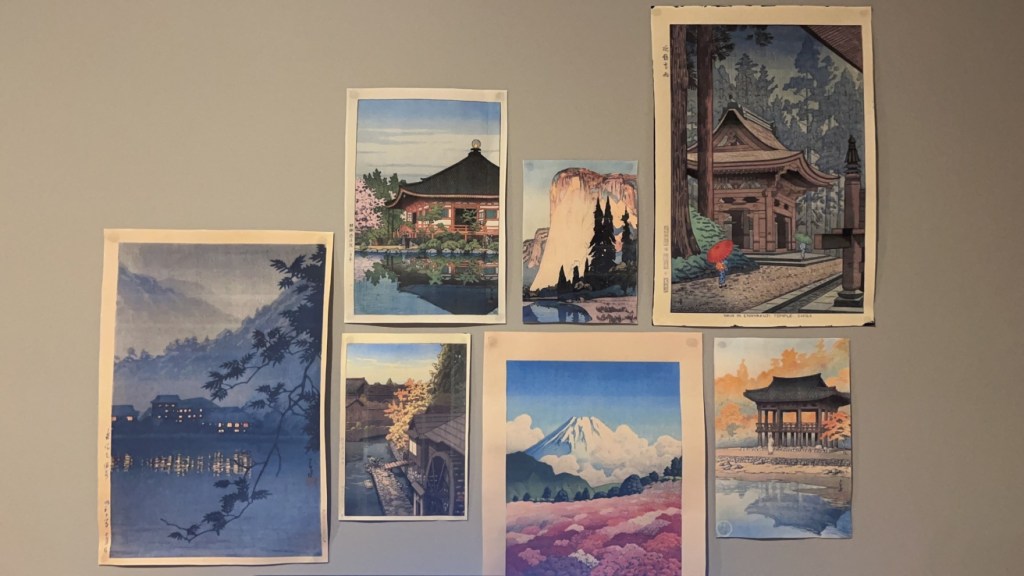
Costumes and wardrobe are a huge part of any production, especially in a show like ATLA, where a character’s outfit clearly demonstrates to the audience which element they “belong to”.
When I saw the trailer initially, I was pretty happy. The costumes looked to be exactly the same as the cartoon. However, my initial impression was wrong. Sure, the characters are dressed exactly like the cartoon. However, unlike the live action, the original ATLA is completely animated and appealing to the eye, which makes the costumes look less out of place.
So when you see real-life people wearing cartoon-equivalent clothing, against real backdrops like forests, deserts and icebergs, it looks weird. It’s a win because the costuming is 100% accurate, but it’s a loss because it gives the whole show a very artificial feel about it. The costumes also never get dirty during the perilous journey from the South Pole to the North Pole.
10/10
Accuracy to the original
Costume Rating?
6/10
Standalone quality
Bending
One of the key points of ATLA is the bending, the action of controlling elements through martial arts to create fun (and child-friendly) fight scenes. While animating this might be easy, I expected for it to translate awkwardly to live action, and miss some of the magic.

I was pleasantly surprised. The action and fight scenes were fun, energetic, and the bending was exciting to watch. You can tell that each actor studied their martial arts style, and it’s executed brilliantly throughout. For instance, there’s a scene in the show where Zuko blasts a huge fireball (with his fists, at that) at Aang and his friends as they fly away on a giant sky Bison – and it looks as real as it gets.
Whether you think the concept is lame or not, a bunch of kids and teenagers wielding fire, water, air, and earth with martial art looks awesome in cartoon form, and even better on the big screen.
9/10
Accuracy to the original
Bending Rating?
10/10
Standalone quality
Storyline

There are eight, one hour-long episodes in the live action. Although this is pretty similar to the overall run time of the cartoon, the pacing of the show feels rushed. The cartoon had 20-30 episodes per season, and even though each episode was only 15-20 minutes, it allowed more time for side stories and conversation that developed the characters.
Unfortunately, Netflix’s adaption doesn’t have this relaxed, drawn out feel to it. The story itself is mixed up, combining storylines spanning across multiple seasons into tight 20 minute segments. This stunted character development, and shifted the tone of themes in the show. Characters are seen moving quickly to the next topic, and we don’t get to see the more enjoyable, bonding moments between the main personalities.
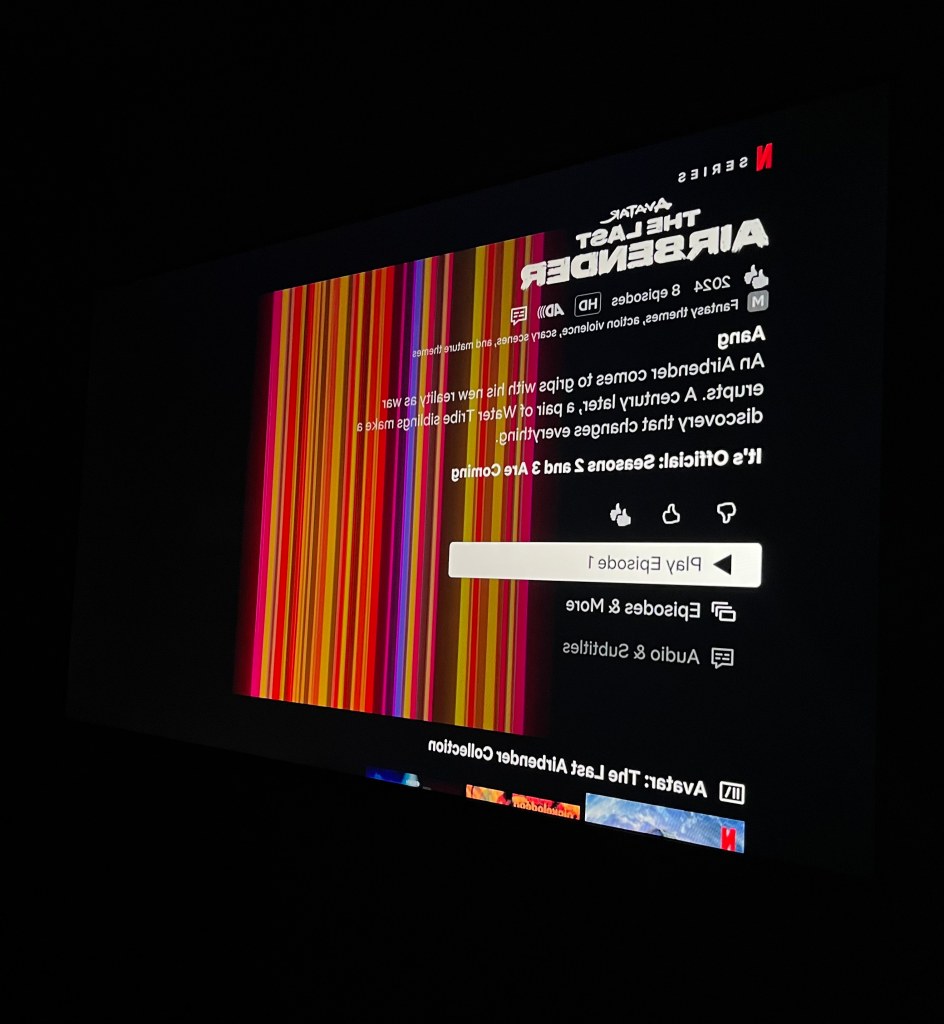
The silliness and light-hearted nature of the cartoon is lost, with the live action focussing more deeply on the key themes of war, genocide, imperialism, and totalitarianism. This contradicts with the original concept of child-friendly discussions on hard topics. It looks like Netflix may be attempting to expand their audiences, and move away from preteens and appeal more widely to the whole family.
While the storyline and script isn’t word for word, and occasionally feels rushed, the live-action presents a new and exciting take on the ATLA world. If I wasn’t obsessed with the original show, I probably would’ve enjoyed the journey of the live-action characters significantly more.
6/10
Accuracy to the original
Storyline Rating?
8/10
Standalone quality
All things considered, Netflix’s live-action adaptation of Avatar: The Last Airbender is an interesting take on the original cartoon show.
If die-hard fans are expecting high-level accuracy, then this isn’t for you, but the live-action does have a lot to offer on its own. Whether you’re here for a mature take on the show, or are craving any kind of new release you can get, give the live action a shot. It’s exciting, interesting, and nostalgic all at once, and pulls you back to that feeling of coming home after school, and chucking a cartoon on the TV.
Final Ratings
Accuracy to original: 31/40
Standalone quality: 32/40
Photos and illustrations by Ieesha Still