
Alice Cossetto, age 24, admits that her style is primarily shaped by social media. She rarely make a fashion purchase without scrolling through TikTok or Instagram first.
As a Criminology and Law student living in Canberra, Alice spends her evenings saving videos of trending outfits and finding links to online stores.
I love TikTok and Insta, they legit drive my fashion.
Alice Cossetto
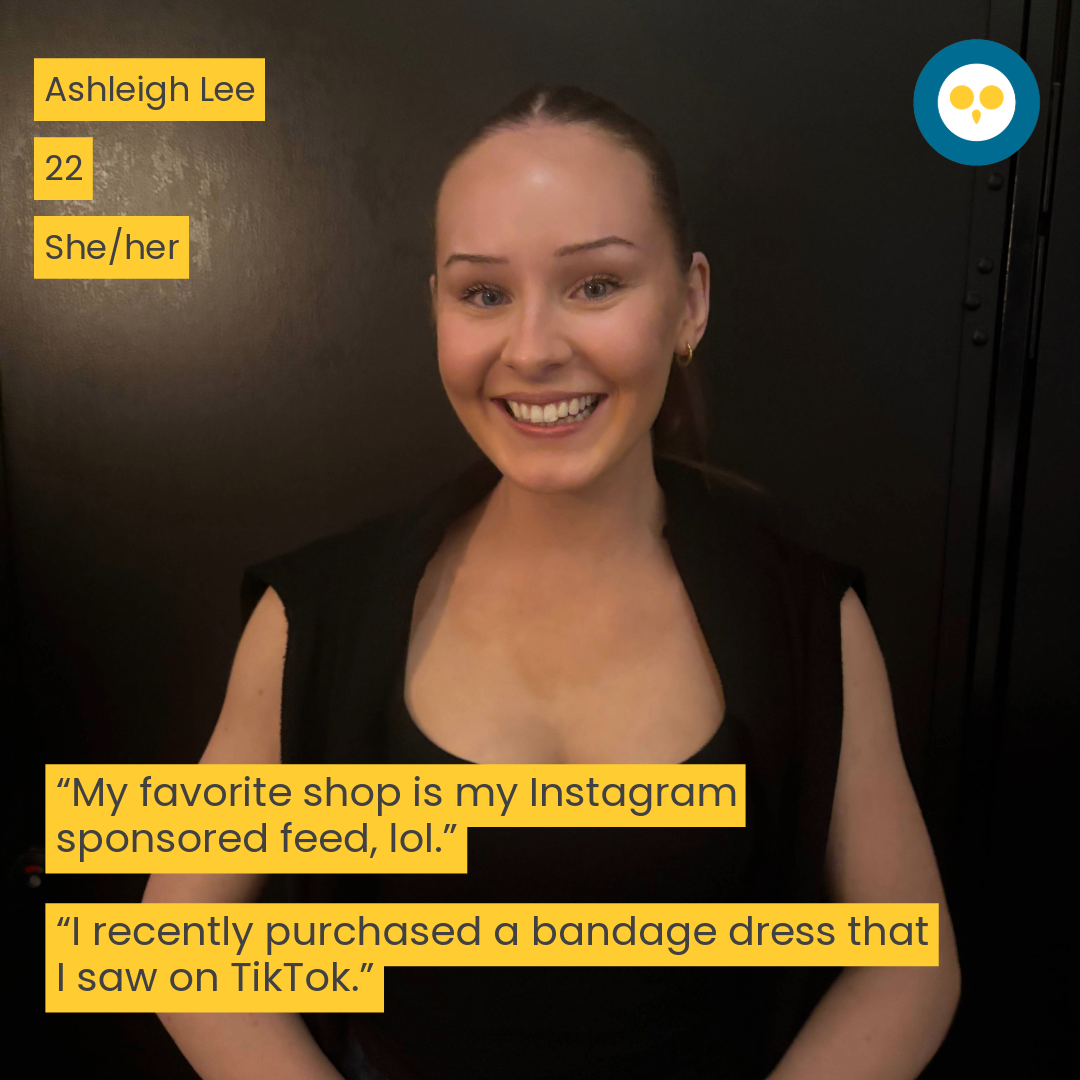
Ashleigh Lee, age 22, estimates that half of her wardrobe was purchased via online advertisements.
My favourite place to shop is my Instagram sponsored feed.
Ashleigh Lee

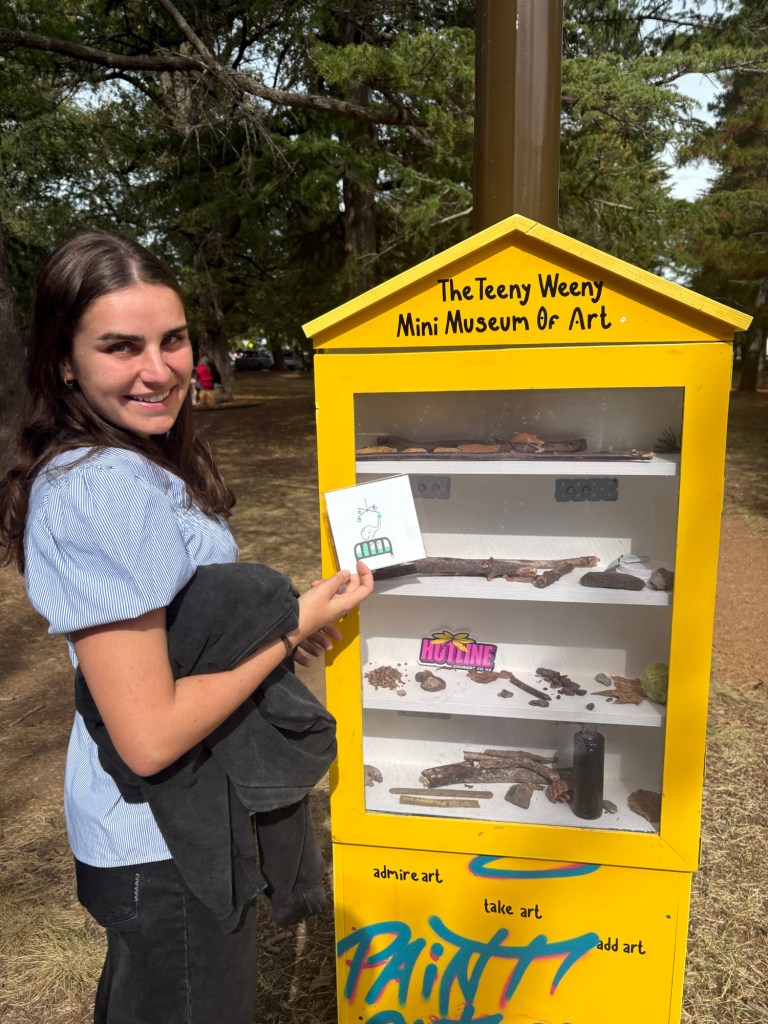
These stories aren’t unusual. Alice and Ashleigh’s experiences demonstrate how younger consumers now view social media as their primary shopfront. The inspiration and purchasing processes that once required trips to the shopping centre or digging through magazines have now been reduced to the scroll of a thumb.
From seasons to weeks
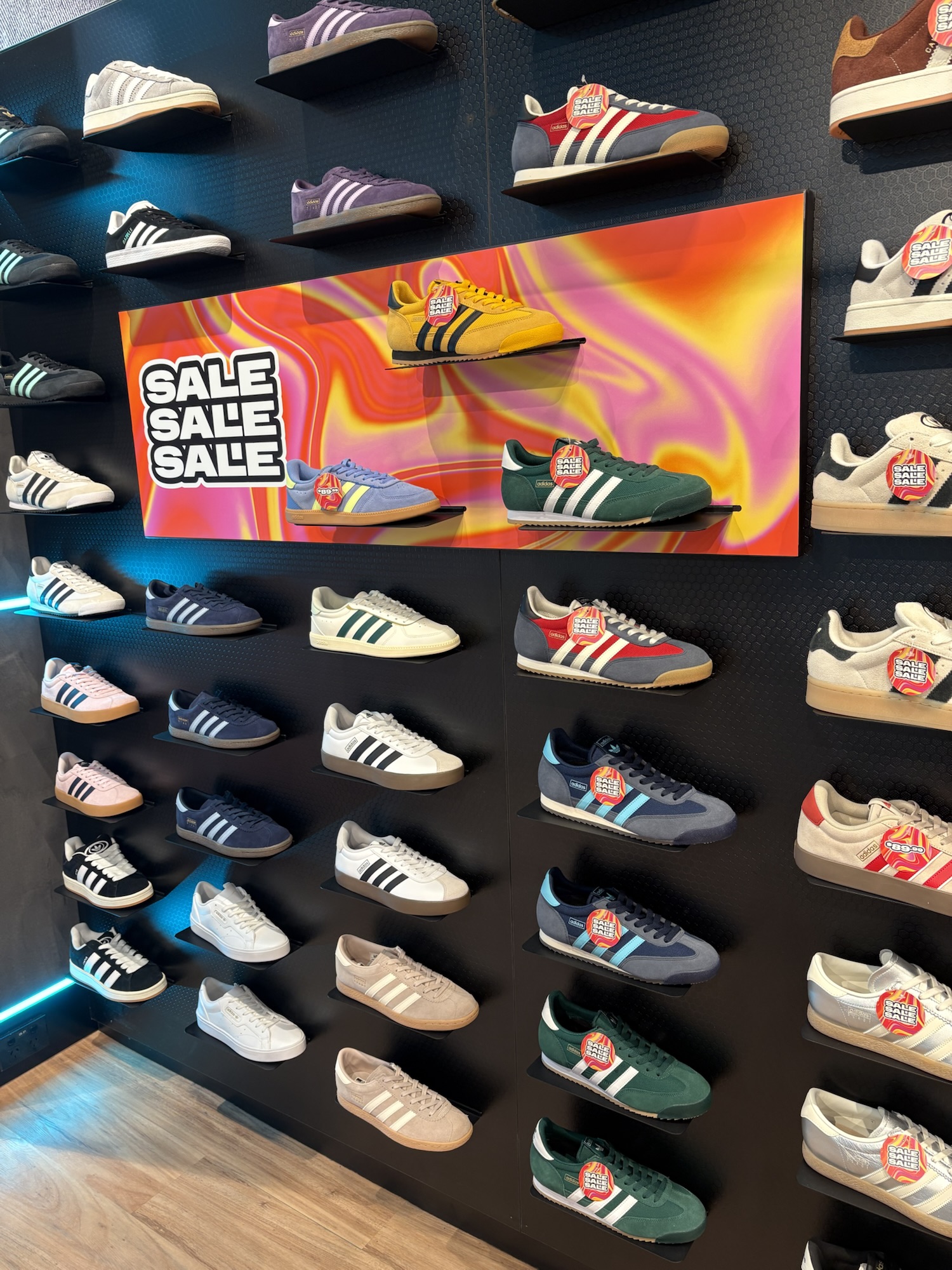
Fashion once moved in calculated cycles, guided by trends and determined by the season. Today, these limits have drastically changed. Adidas Sambas, oversized blazers, muted colour tones may take over feeds in a matter of days and can become dated in a matter of weeks.
Two structural shifts have taken place. First, the platforms got massive. TikTok grew from 133 million users in 2018 to 1.5 billion in 2025, with Gen Z making up the majority of its audience.
Second, Instagram turned browsing into buying with ‘Shop’ buttons, product tagging, and sponsored reels. This meant that a style could move from a creator’s video to a consumer’s shopping cart in seconds.
The result of this is a much quicker style turn-around. Fashion trends were once based on seasonal launches, now theres a constant flow of new and trending pieces.
How the algorithm has changed fashion
Your product will find the right people if you give the algorithm enough money and time.
Poppy Rhodes, marketer for Australian company Hatrik House
Magazines and TV once created a few seasonal inspirations but social media functions differently. TikTok and Instagram display what people engage with and this often means a lot of repetition. Hashtags like #OOTD generate billions of views, a sound or style gains views, creators then replicate it, the algorithm keeps displaying it, and people continue interacting.
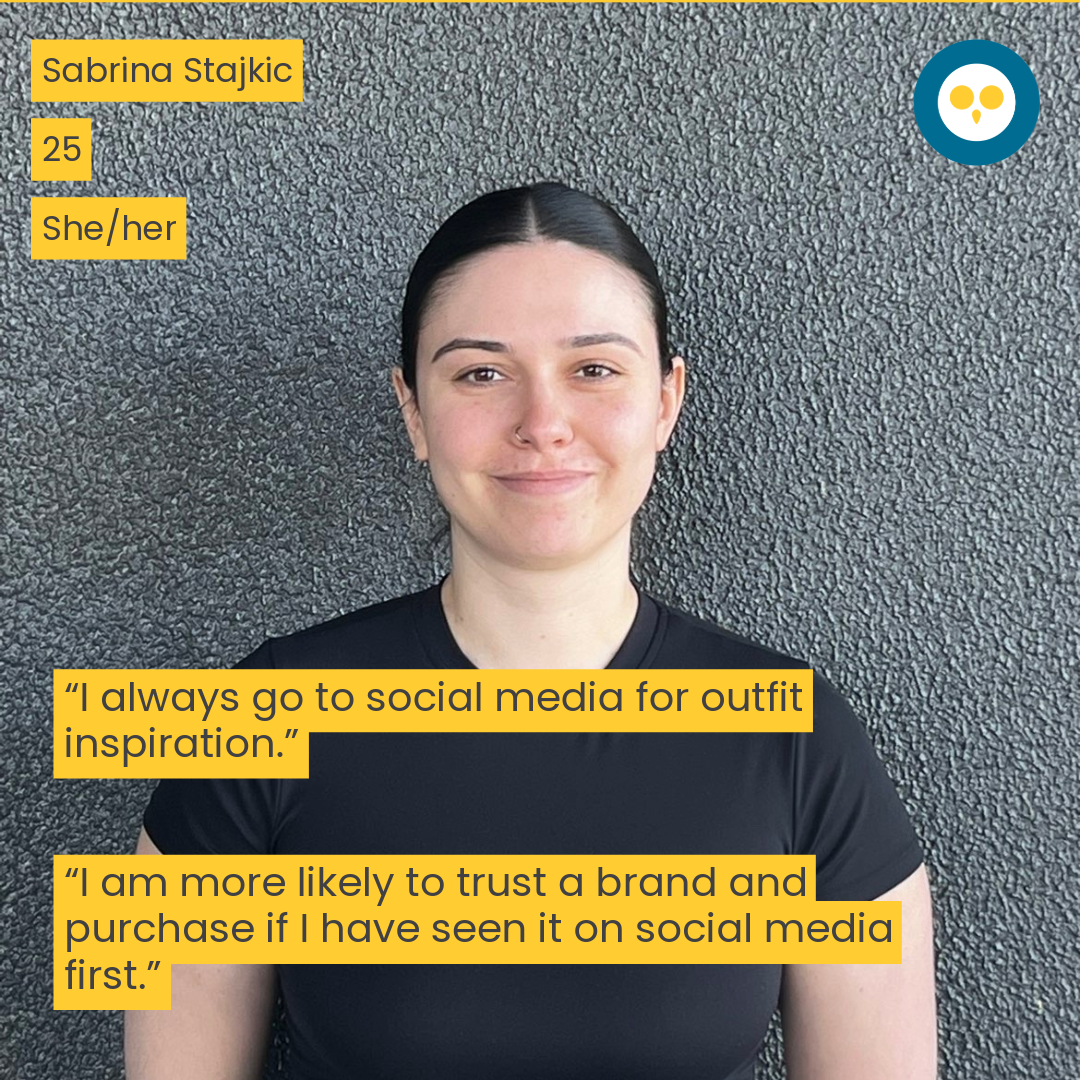
Sabrina Stajkic, age 25, a self proclaimed social media addict, describes how this loop can create trust.
Usually if I have seen something on social media, I trust the brand more and will be more inclined to purchase from them
Sabrina Stajkic

From the business side of things, Poppy Rhodes says, “repetition gets recognised, it is so important to use trending sounds and styles when trying to increase your engagement.”
“The biggest change since social media is that trends aren’t just created from brands like Vogue or from magazines anymore, they’re now coming from influencers. Sponsoring the right creator can mean the difference between your product going viral or failing all together.”
The speedy path to purchase
Because platforms now integrate the shop inside the post, fashion inspiration and purchasing sit alongside one another. Alice clicks on an Instagram reel and lands on a brands discovery page. Ashleigh unlocks her phone and can immediately buy from a sponsored carousel. This connection appears to be decreasing the time between liking a style and owning it.
Research aligns with their experience. The ICSC reports 85% of Gen Z say social media influences what they buy, with TikTok and Instagram the most mentioned platforms.
Fashion psychologists also suggest that feeds can blend social life and shopping, Carolyn Mair points to social comparison and FOMO (Fear of Missing Out) as drivers of clothing choices. Although the psychology of this isn’t new, the rapid delivery method through social media is.
I interviewed eight Gen Z shoppers and asked them the same three questions about shopping, social media and fashion trends:
- What is your favourite place to shop and why?
- Do you use social media platforms for fashion inspiration?
- Are you ever influenced to purchase trendy items you see on these platforms?



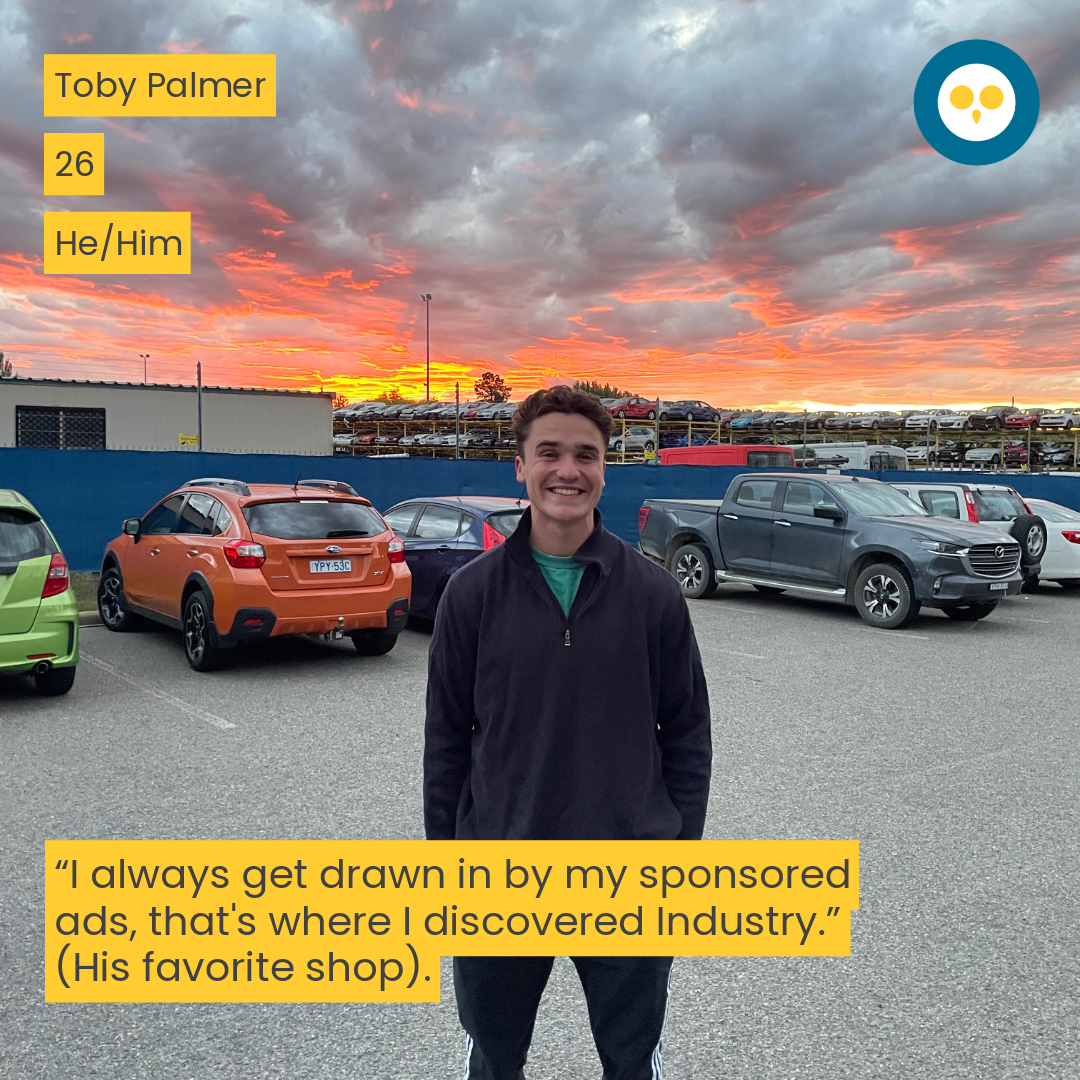

These results showed clear patterns. Many people of similar demographics within these age ranges shop at the same places and admit to being influenced by TikTok and Instagram.
The irony is clear, although people use fashion to show their individuality, they may ultimately wind up looking like everyone else.
The pressure of immediacy
For 23-year-old Georgia Hahn, the increased pace of style cycling is apparent.
“I go to buy something unique and then suddenly everyone else is wearing it too”.
– Georgia Hahn

Poppy Rhodes has seen this change in real time.
Brands today can’t just plan seasonal collections. They have to monitor social media on a daily basis.
Poppy Rhodes
What it looks like in the real world

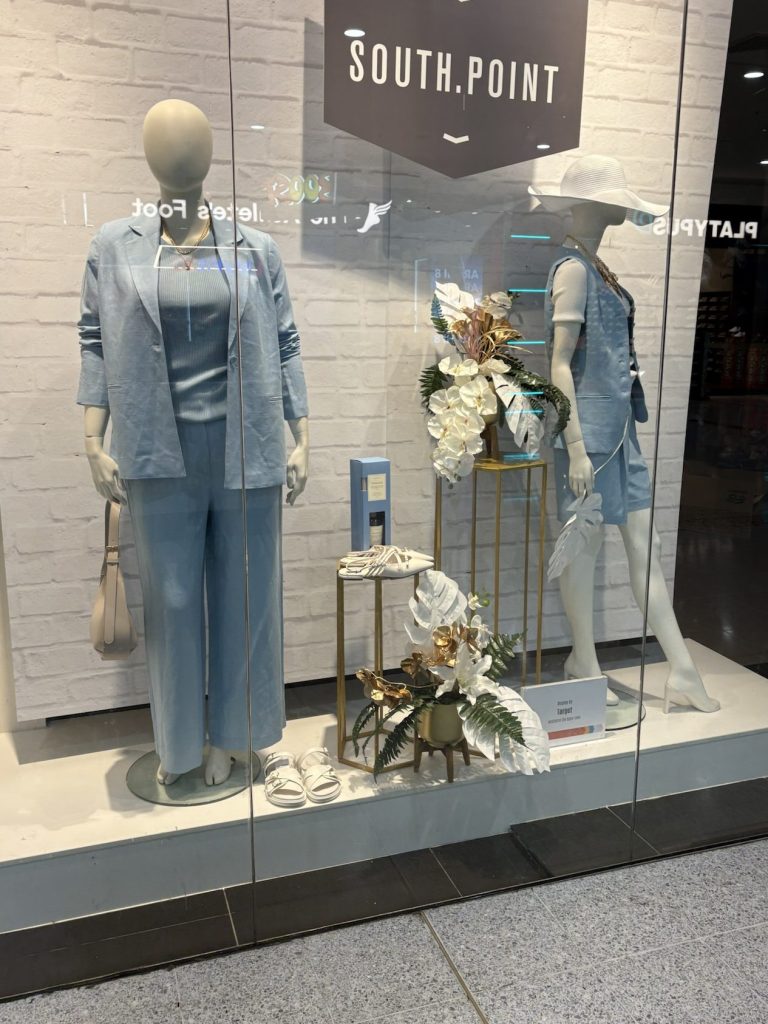

Three different stores, three “different” styles.
Walk into any shopping centre and the trend is easy to spot. Mannequins wear boxy blazers and clothing racks are stocked with neutral colours. The cycle feeds itself, customers, like Sabrina and Georgia buy what they see, and stores stock more of what sells.
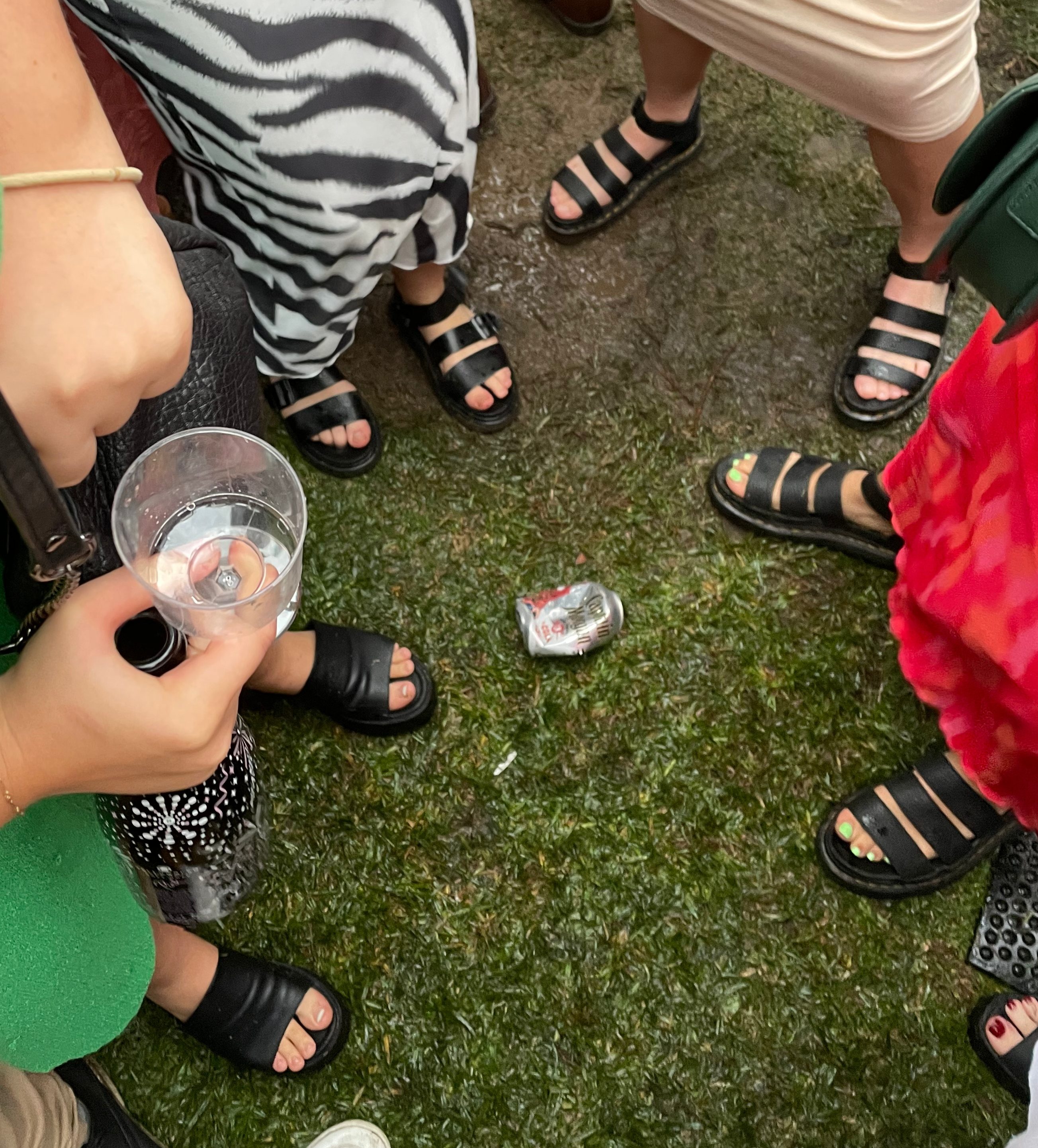
For Rhodes, the trend patterns are frustrating.
Its like everything is the same, and everyone is trying to be different, but everything looks the same, otherwise everyone copies each other!
Poppy Rhodes
The marketing of sameness
“We are able to base our marketing campaigns off of top social media engagement, meaning that people who like certain styles will be more likely to see our clients similar products”
– Poppy Rhodes
Poppy’s words reveal that repetition can become a strategy. When engagement drives exposure, brands are more likely to replicate fashion.
The new normal
For younger Australians, scrolling before shopping has become the new normal. They aren’t planning around seasons or collections, they plan around what’s trending that week.
Sabrina, Georgia, Ashleigh and Alice’s experiences reveal how younger Australians fashion choices are being shaped within social media, as algorithms and repetition quietly set the standard for what feels current.
Algorithmic marketing has changed the game, as engagement has become the new selling point, brands are tracking clicks, likes, shares and saves to not only predict the next style, but to shape their products around what their audiences have proven to respond to.
Social media has made fashion faster and more accessible. The challenge for consumers is deciding whether to resist the trends or continue buying into them.
For younger Australians, the answer could likely be in their next scroll.
Original photos by Sophie Foley