
Many athletes are at a crossroads of indecision once their professional career comes to a close. For former Danish footballer, Nicklas Bendtner, his answer was to relay the dramatic experiences of the management of his personal and athletic life onto paper.
The release of Bendtner’s autobiography, ‘Both Sides’ caught the attention of iconic media outlets, who were all quick to praise the autobiography and its ‘brutally candid’, unveiling of the seducing effect professional sports can have on young competitors.

The barrel of praise received from publications such as The Mirror, Sky Sports, The Daily Mail and The Guardian, begs an extremely intriguing question. How can the story of an athlete that only those close with the particular sport would know, be so insightful and revealing?
Amongst all the superstars in world football, why is the telling of Nicklas Bendtner’s story so highly regarded?
This memoir is a raw and unfiltered account of Bendtner’s personal and athletic odyssey worthy of the immense praise it has received. I will be exploring Bendtner’s story and evaluating its merits against positive reviews and key features of prominent autobiographies such as narrative quality, character development, thematic depth, insightfulness, relevance and impact.

Narrative Quality
Bendtner’s storytelling in his autobiography “Both Sides” is both captivating and immersive. From the start, he vulnerably positions himself to readers, explaining being cut from Denmark’s 2018 Russia World Cup squad just months out from the tournament, while abusing large amounts of alcohol and snus nicotine in his personal life to heal his athletic pain. However, Bendtner highlights it’s these moments that allow for true reflection and ultimately change.
He skillfully navigates all the phases of his rise to stardom at Arsenal Football Club, recounting his arrival to the academy, time spent in the reserves and extremely detailed coverage of his transition into the starting team. Bendtner affirms this monumental change in his life by referring to himself as an “Amager lad”, just a kid from a small, destitute island in Denmark – a stark contrast from the life of a footballer in London on Premier League wages.
Bendtner cohesively links his playing career into his personal love life with Julie, Caroline and Philine as well as the impact of his vices like gambling, drinking and excessive partying. No chapter feels rushed or forced, providing a natural and real reading experience that still manages to maintain it’s “explosive” nature.
9/10
Character Development
Nicklas Bendtner, at least in a sporting and football context, has been known as a fun, controversial character with a reputation painted by mainstream media as a ‘party animal.’ As revealed in ‘Both Sides’, this is largely true, although, the sadness and isolation that all of the footballer’s antics caused him was never previously known to the public.
Through vivid descriptions and introspective analysis, Bendtner provides a telling confrontation on his personal war with alcohol and gambling. After mentioning his 2018 assault of a taxi driver and subsequent house arrest, Bendtner subtly suggests to readers at the end of the book that he is using his time writing the autobiography as a therapeutic instrument for positive personal change in his life.
From the brash confidence of his early years to the sobering realities of adulthood, Bendtner’s story is marked by moments of triumph and tragedy, growth and regression. Readers are afforded a rare glimpse into the inner workings of a public figure grappling with fame, fortune, and the relentless pursuit of perfection. ‘Both Sides’ is a revealing insight that transcends the interest of readers just from the sporting context, as we’re provided a fall from grace story which happens to individuals all over the world, from all walks of life.
9/10
Thematic Depth
Whilst ‘Both Sides’ explores a myriad of themes from addiction and redemption to fame and identity, it does so with varying degrees of depth. The narrative often provides an understanding around the thematic complexities of Bendtner himself, skimming the surface of the issues concerning the people around him.
His consistent sense of isolation is relatable and expressive, but it’s somewhat selfishly presented as there are occasions where the footballer seems like he is the only person in the world to face this type of adversity.
His exploration into addiction and its impact on his life is prominent throughout the book, although there could’ve been potential benefit for Bendtner to conduct a thorough examination of the wider psychological and societal factors at play. Nevertheless, Bendtner’s willingness to confront uncomfortable truths and grapple with existential questions lends the autobiography a sense of resonance that transcends its thematic limitations.
7/10
Insightfulness
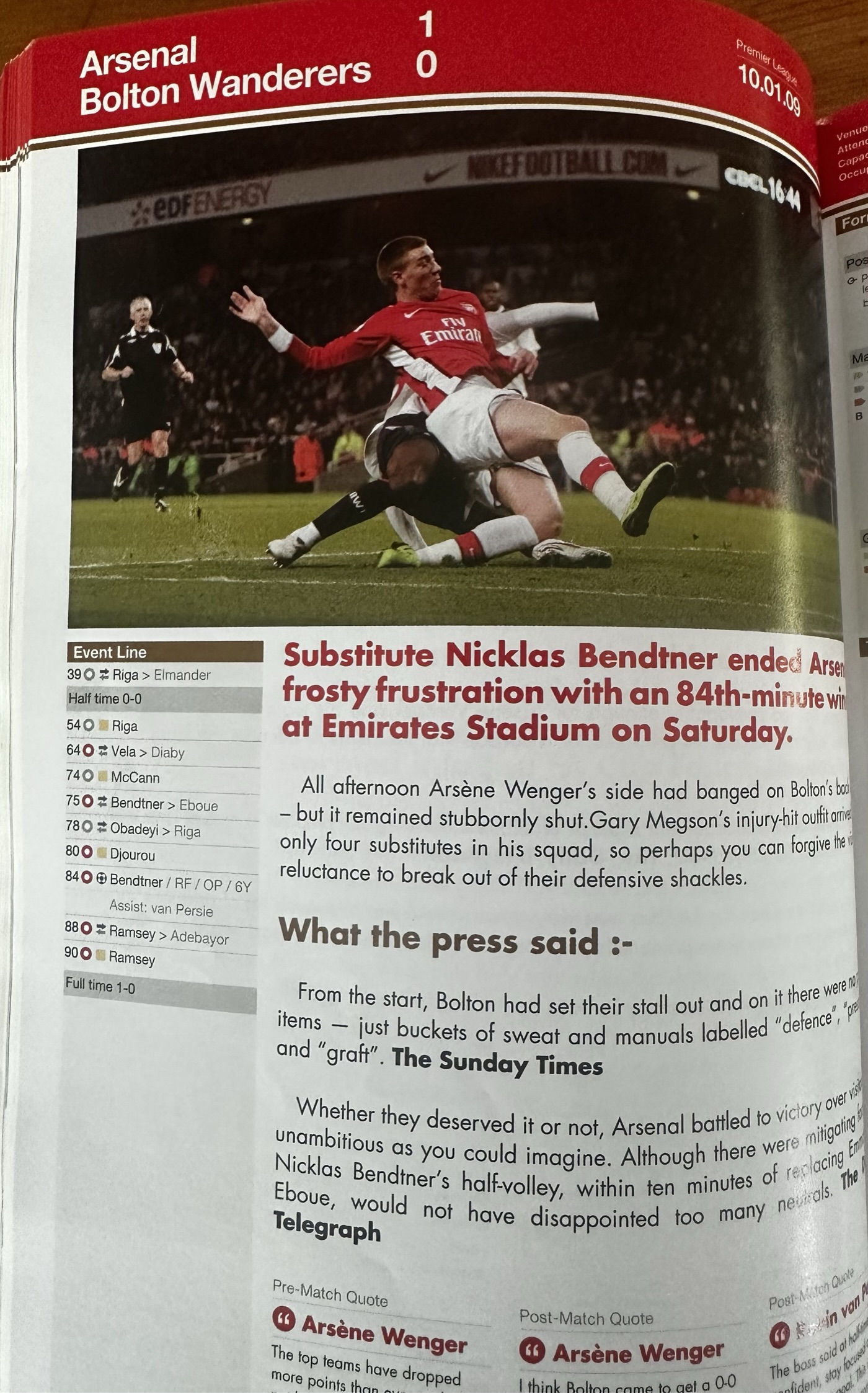

‘Both Sides’ illustrates the athlete’s underlying frustration and disappointment. Having made over 80 appearances for his country and almost 300 professional club matches across some of Europe’s most competitive leagues, the Dane certainly did not have a bad career and has a lot to be proud of. Despite all this, we get the sense that there will forever be a feeling in his heart there could’ve been so much more.
His reputation off the field ultimately cost a lot of his credibility as an athlete and footballer. Instead of a cabinet full of individual accolades to look back on, many will still refer to his career as being defined by his ‘fails’. Fans of the sport, ironically dubbed him “Lord Bendtner” due to his unusual antics and iconic manbun, rather than for his on-field expertise.
‘Both Sides’ challenges preconceived notions and prompts introspection. By confronting uncomfortable truths and examining his own motivations and desires, Bendtner sheds light on the universal struggles and aspirations that define the human experience, leaving readers with a deeper understanding of themselves and the world around them. Readers are made privy to this as Bendtner exposes his fragile psyche, as he shares his precise thought process when he’s made some of the more questionable decisions in his life. He does this so effectively that you sympathise with him, even through the revealing of his physical and mental abuse on others.
9/10
Relevance and Impact
Bendtner’s experiences and the way they are presented in ‘Both Sides’ can resonate with those that aren’t necessarily interested in the sporting or football world. The autobiography offers a strong commentary on universal themes of resilience, redemption, and the quest for meaning. Bendtner’s struggles with addiction and self-doubt go beyond the confines of his profession, serving as a powerful reminder of the fragility of the human condition.
It’s broader themes of perseverance and self-discovery hold universal appeal, resonating with readers from all walks of life. Young people struggling with newfound attention and money is a common problem for those in the public eye, regardless of them being in a sporting or entertainment-based environment.
While there is a significant focus on the football industry, the confronting nature of the book encourages readers to oppose their own inner demons and embrace the complexities of their humanity, generating an immense appeal even for those non-football fans.
8/10
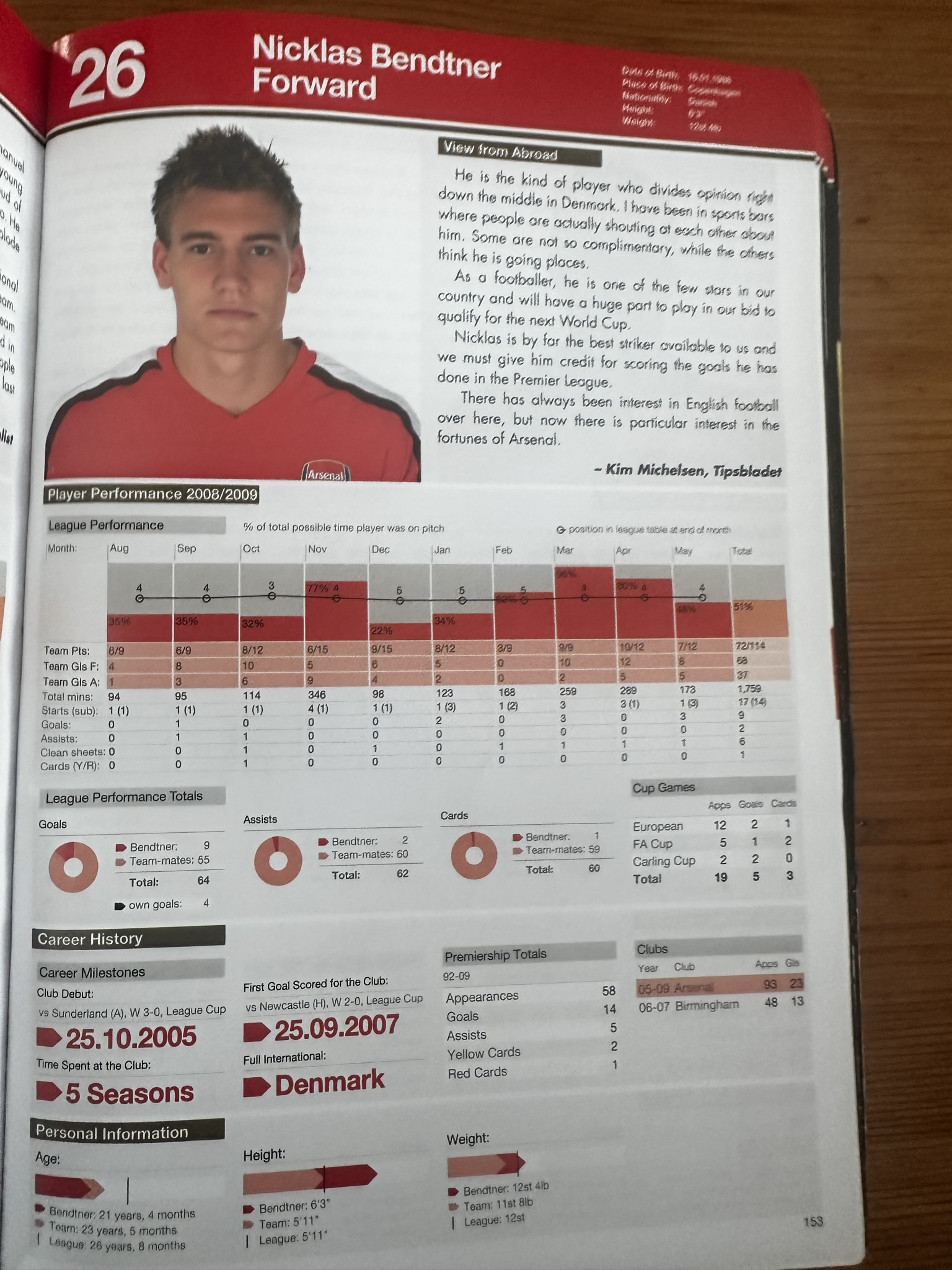
Overall, this autobiography lives up to its enormous praise from mainstream media, inviting readers on a journey of self-discovery and redemption, grappling with issues of addiction, identity, and personal fulfillment.
‘Both Sides’ is not confined to the world of professional sports, as it stands as a telling story of resilience, empathy, and the pursuit of meaning. This allows the book to resonate a wider scale, provoking thought stirring emotions, and inspiring courage long after the final page is turned.