

Thrust into the spotlight during the 2022 federal elections territory rights are now an issue at the forefront of Australian Capital Territory policy.
For prominent candidates in the ACT, Professor Kim Rubenstein, and now Senator David Pocock, territory rights were a core campaign issue.
During her campaign Professor Rubenstein advocated heavily for increased senate representation. Going so far as to draft a bill to present to parliament if elected.
Senator Pocock advocated for restoring the ACT’s euthanasia legislation during his election campaign. He also advocated for increased senate representation.
If you need a refresher on the issues surrounding territory rights check out this short video explainer.
Australia’s 2 territories, ACT and Northern Territory, were created by the 1911 proclamation of Australia territories. This means they do not have the same constitutionally enshrined rights as states.
Senate Representation
How states function in relation to the senate is clearly outlined in the Australian Constitution with it saying:
“Until the Parliament otherwise provides there shall be six senators for each Original State.”
He added,
“equal representation of the several Original States shall be maintained.”
Parliament has twice legislated increases to the number of senators.
In 1948 the senate increased from six to ten members per state and in 1983 to 12.
The Senate also increased in size in 1973 when the Senate act of 1973 granted territories senators for the first time.
The legislated nature of territories in relation to senate representation does present a silver lining.
Speaking to The Owl ACT Senator David Pocock said increasing territory senate representation is “simply a change to our electoral laws.”
And further, “a lot of what happens in terms of territory rights is really just up to the parliament.”

Given the low success rate of referendums in Australia, the last eight having failed, using legislation to improve territory rights is a much more realistic path forward.
An increase to the number of territory senators in the near future seems likely. The 2023 Labor National Platform states:
“Labor will address the historic proportional under-representation of the Australian Capital Territory and the Northern Territory, and commits to increasing its representation in the Senate.”
The Liberal National Coalition have not made their stance on territory rights clear.
The Labor Government has pushed through an electoral reform bill, making changes to campaign spending laws and election processes.
Despite its position in the Labor National Platform, increased senate representation was not included.
Professor Kim Rubenstein, a constitutional law expert and former senate candidate for the ACT said, while talking with The Owl, it’s because the Federal Government “had decided that they would only push the things that they could get the Liberal Party’s agreement on.”
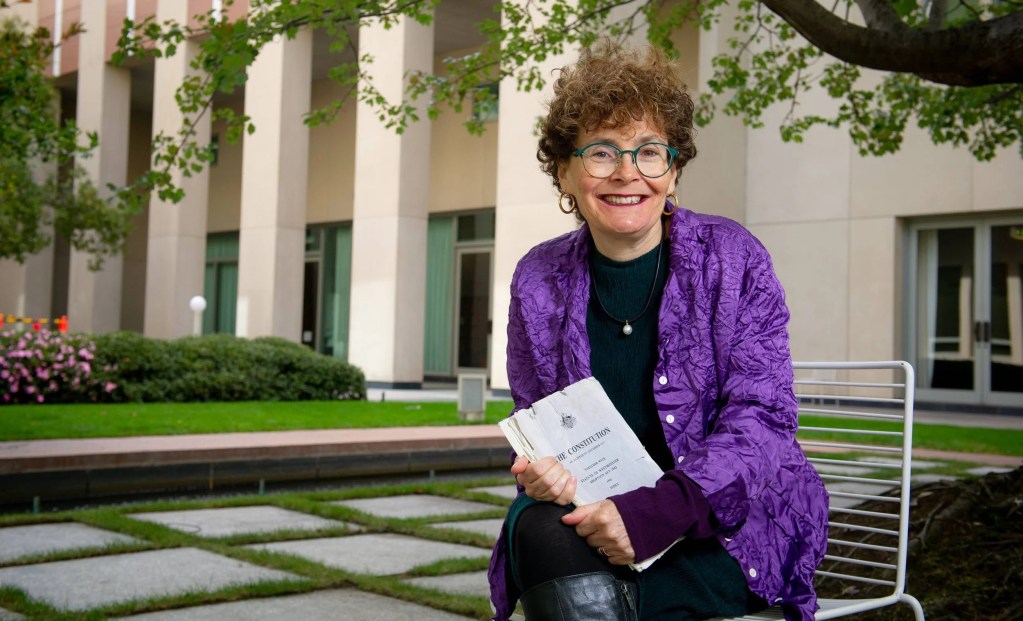
This led to some frustration for advocates. Professor Rubenstein said:
“they could have actually kept pushing for it, because they had the numbers without the Liberal Party.”
The Labor government has tasked the Joint Standing Committee on Electoral Matters (JSCEM) to look into the 2025 election.
As part of this they are exploring how increased territory senate representation would function and how much it could cost.
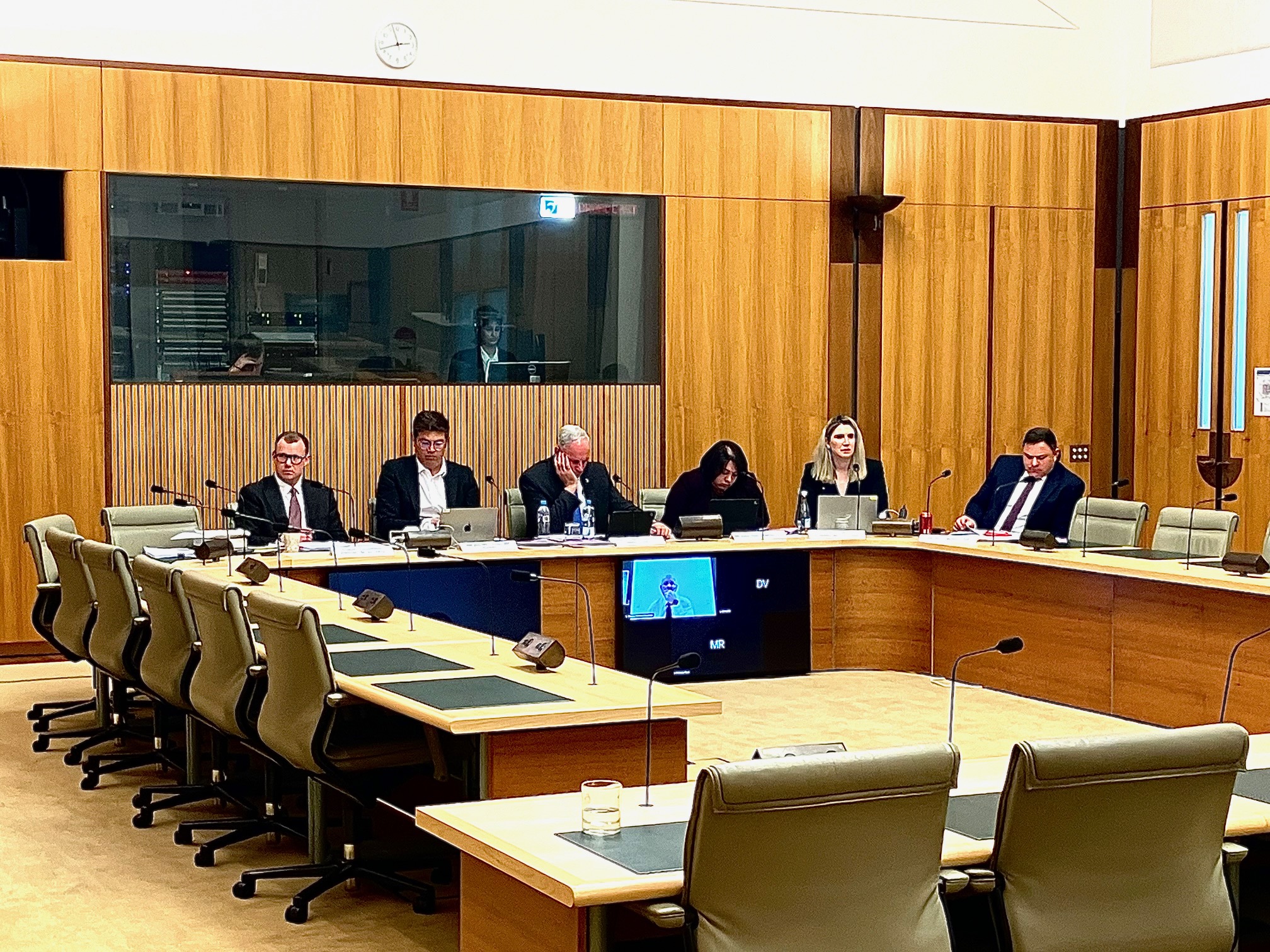
At a JSCEM hearing on the 15th of October there were several witnesses who testified in favour of increasing territory senate representation.
Former ACT Senator and MP Bob McMullan gave testimony in favour of increasing senate representation stating that it’s time for “enhanced representation for smaller jurisdictions.”
JSCEM member Senator Corinne Mulholland agreed in principle stating:
“on the numbers there is certainly no argument.”
She did express concern that it may be hard to justify to the broader Australian populace.
MacMullan does believe:
“There’s a fair bit of sympathy for the idea.”
MacMullan’s proposal is to increase each territory’s representation to six senators with three elected at each federal election. This would bring the territories in line with the staggered six year terms of state senators.
The Australia Institute, a public policy think tank, also presented testimony that involved support for increased territory senate representation. They believe that territories should be represented by “at least two additional senators each.”
This would bring the territories to four senators each, still just a third of what states enjoy.
An increase to four also raises questions about the cadence of election for territory senators.
MacMullan believes that the cadence is an under appreciated issue stating:
“more people are interested in the number than the rhythm.”
This ties the issue that territory senators are only elected for three year terms. When asked how he felt about having to run for re-election every 3 years Senator Pocock said:
“this is another one of the disparities that I think should be looked at.”
However he takes a positive approach saying:
“if I’m doing a good job, I think people will give me another go should I want to run again.”
and that,
“it’s a real incentive to kind of hit the ground running and go hard.”
The preferred model of increased representation for Senator Pocock would include a legislated ratio where if state senators ever increased territory senators would increase simultaneously.
He commented that he’s “been talking about ratios, rather than just sort of landing on a specific number.”
Referendums
In addition to senate representation, territory rights are also notably absent in the context of referendums.
While counting towards the national majority, votes of territory residents do not count towards the double majority. That means, a national majority of electors from all states and territories, and a majority of electors in at least four of the six states.
In fact, until a 1977 referendum, territory citizens could not vote in referendums at all.
The prospect of territories eventually achieving statehood has been the cause of debate for a long time.
A 1998 Northern Territory referendum that would have granted statehood failed 51.9% no to 48.1% yes, a gap of just 4000 votes.
It is believed to have failed due to the model of statehood being unpopular.
The issue resurfaced in 2012 but in the end amounted to nothing. No other attempts at statehood have been made since.
On the matter of territory statehood Senate Pocock commented:
“should the territories want at some point to become states, that’s obviously a change to the constitution.”
As a change to the constitution this would require a referendum.
In this situation the matter of territory votes not counting towards the double majority may become more pressing.
There aren’t, however, many calling to grant territory voters double majority influence. This is likely due to senate representation being a larger, and more easily fixable, issue.
Self-governance
The main argument for granting Australia’s territories statehood is to do with self governance.
There have been several historical situations where the Federal Government’s ability to overrule state legislation has caused controversy.

The most famous of these was in 1997 when the Howard Government overruled the Northern Territory’s 1995 Rights of the Terminally Ill Act. The act legalised assisted dying.
A similar situation happened in the ACT in 2018 when the Federal Government didn’t pass the Restoring Territory Rights Bill. The bill would have paved the way for the ACT to legislate assisted dying laws.
In 2022 the Federal Government did pass a further attempt at the Restoring Territory Rights Bill which allowed the ACT and NT to legislate assisted dying laws.
Professor Rubenstein explained:
“under the constitution, the Commonwealth does have complete power to override the territories.”
However, if a state’s laws come into conflict with federal legislation the federal legislation takes priority. Despite legally functioning differently this does give the Federal Government power to override both state and territory laws.
Professor Rubenstein continued:
“the territories are not that dissimilar (to states) in terms of their relationship with the Commonwealth.”
Furthermore, regarding state, Professor Rubenstein doesn’t think “it would be that easy to get the whole nation behind” the idea of granting territories statehood.
Given the difficulties surrounding referendums granting territories statehood seems unlikely.
Advocates will be hoping that increased senate representation can be a big step forward for territory rights.