

Canberra is one of the few cities in Australia that is officially recognised for its natural scenery, culture, education, and government institutions. It is often considered the happiest capital city in Australia.
On such a beautiful day, you’d think taking photos in this city would be considered a natural choice.

Yet, in all my time in Canberra, the only thing I had managed to photograph in the city was an ordinary pigeon and some crawling creatures.
For those who share my frustration, the exhibition 20 Years of Australian Geographic Nature Photographer of the Year at the National Archives of Australia might be an event worth paying close attention to. The event has free entry and will conclude on the 27th of April after opening on the 28th of November.
The beauty of Australia’s nature
Long before landing, people looking out of the airplane window would expect Australia to be a green and eco-friendly country, given that 17% of its land is covered by forests.

The journey to the exhibition

The exhibition is located on Kings Avenue in Parkes. The R4 bus, which provides a direct route to the city, conveniently stops near the destination. The journey from the University of Canberra took approximately an hour.
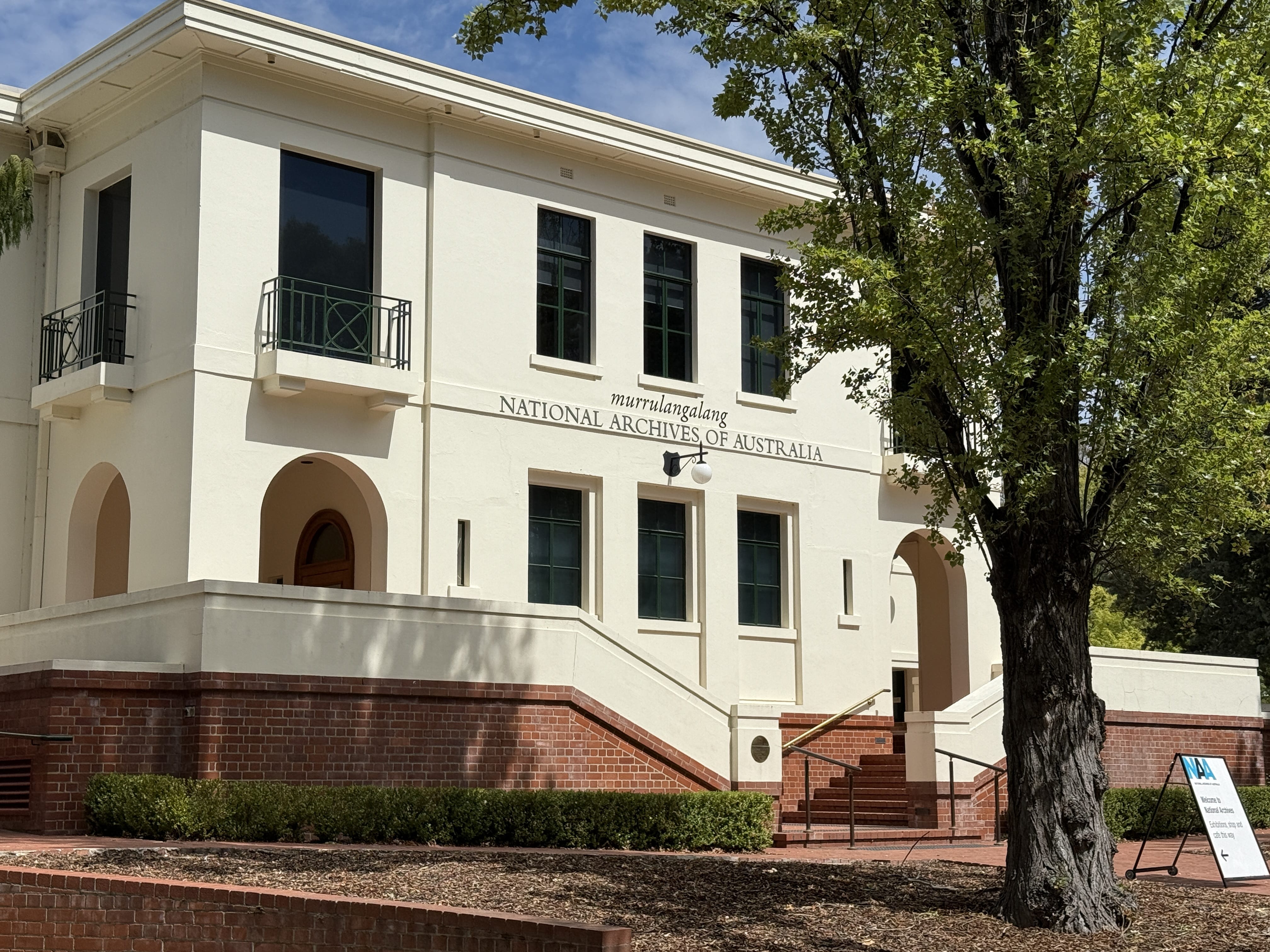
The National Archives of Australia was established in 1913 as part of the National Library of Australia. However, it became an independent agency in 1961 and its functions were formalised by law in 1983 to archive all Commonwealth records.
Stepping inside, visitors were greeted by a wave of icy air which seems to be a comfortable environment. The front desk staff, who warmly welcomed people coming and they explained certain instructions such as photos were only allowed in specific areas, except for certain exhibitions.

The entrance to the 20 Years of Australian Geographic Nature Photographer of the Year exhibition is located in the right corner from the doorway, and here visitors will easily find the exhibition’s main feature, a photograph that had won Nature Photograph of the Year in 2006.
Inside the exhibition
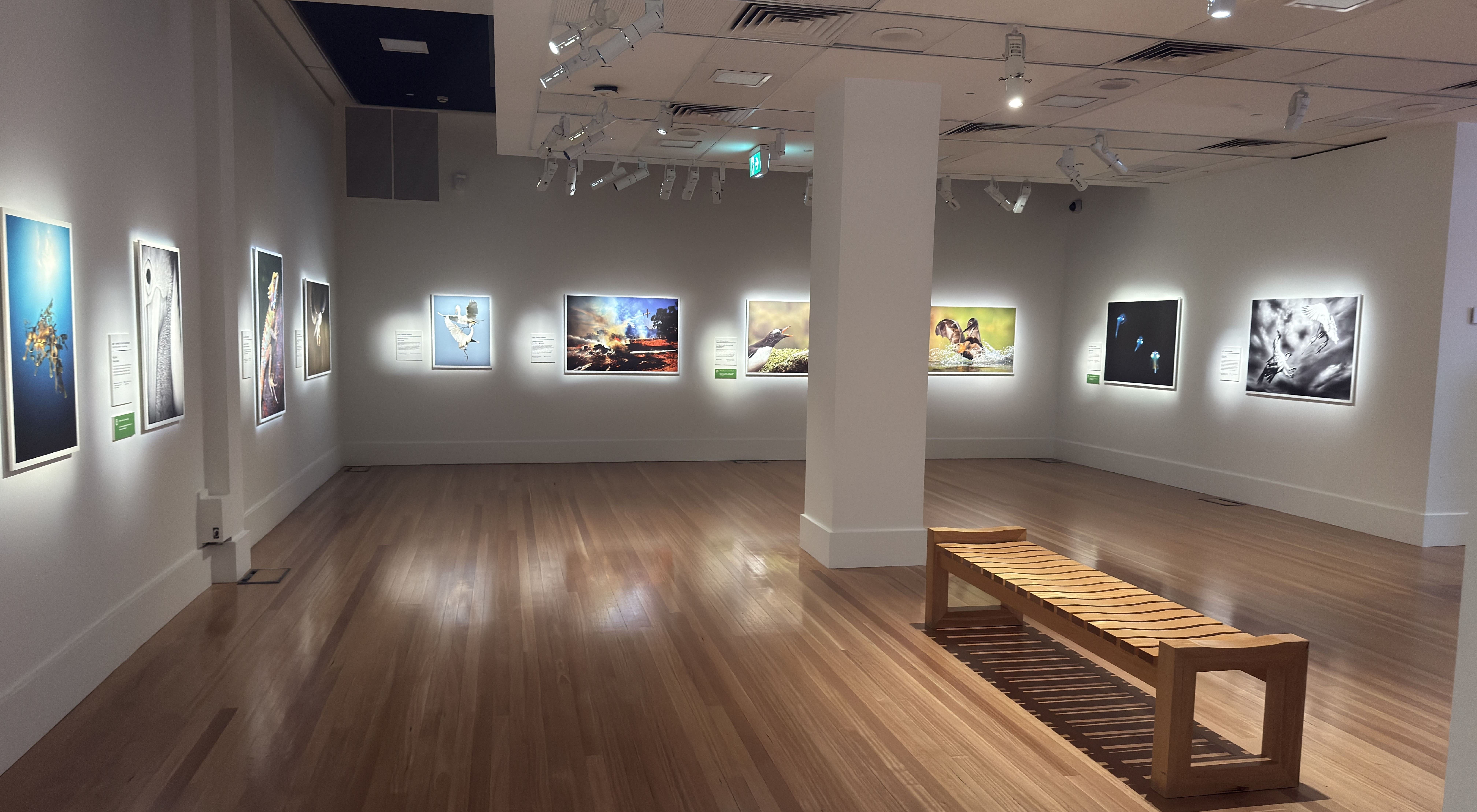
The exhibition hall was more formal than I had expected, with a calm atmosphere, a crowd of visitors and the winning images from each year lining the walls of the gallery.
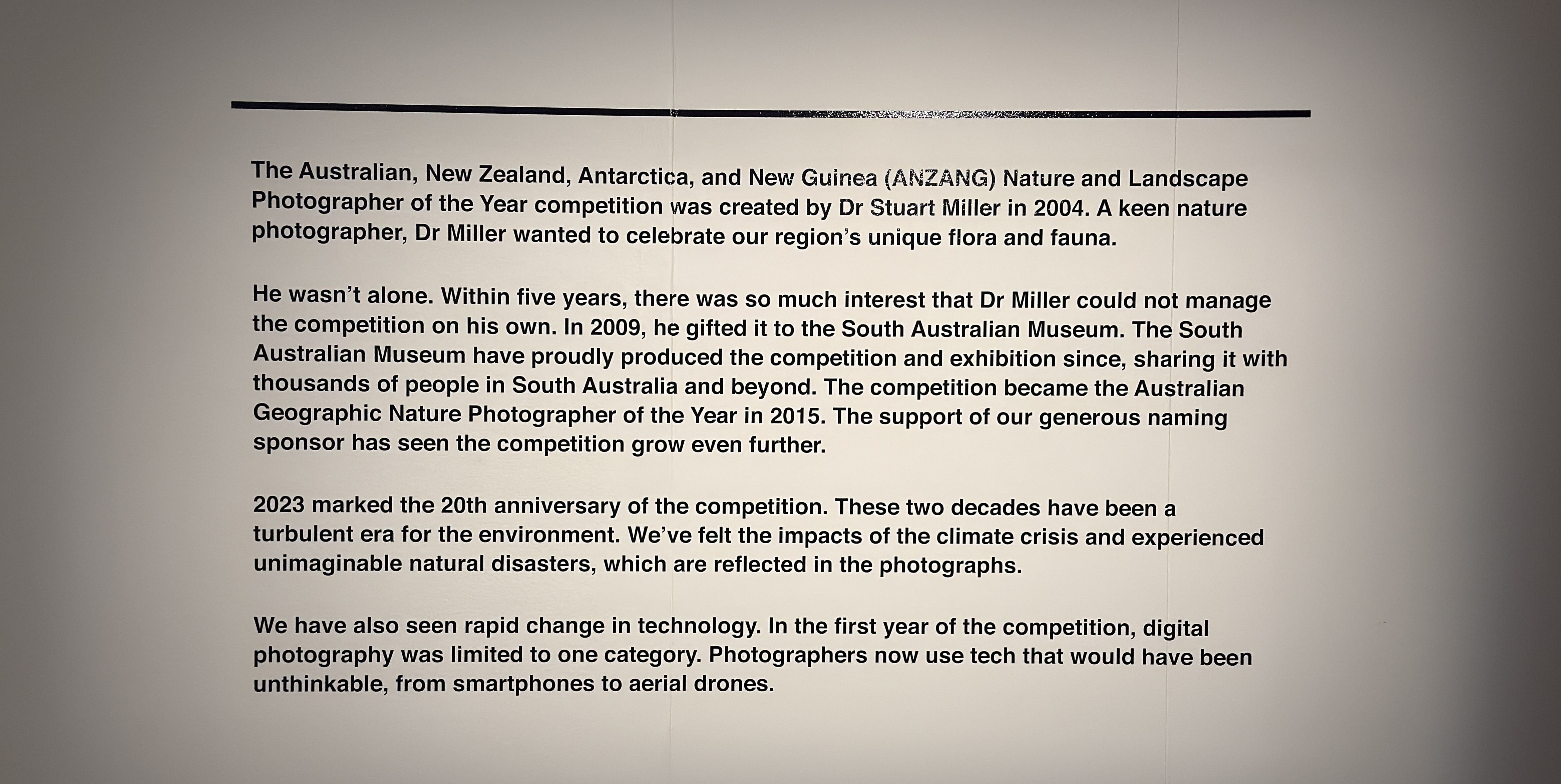
For the past 20 years, this competition has been open for submissions from everyone in Australia. This allows ordinary people to share their best nature photography, with the chance to be published in this exhibit.

Moving from left to right through the exhibition, I found myself captivated. Each photograph had unique moment in nature, yet every single one captures the attention with its stunning composition from viewer.
Seeing the rare landscapes and wildlife of Australia made me reflect on daily life which is usually filled with the cold, concrete walls of the city.
The art of capturing a moment
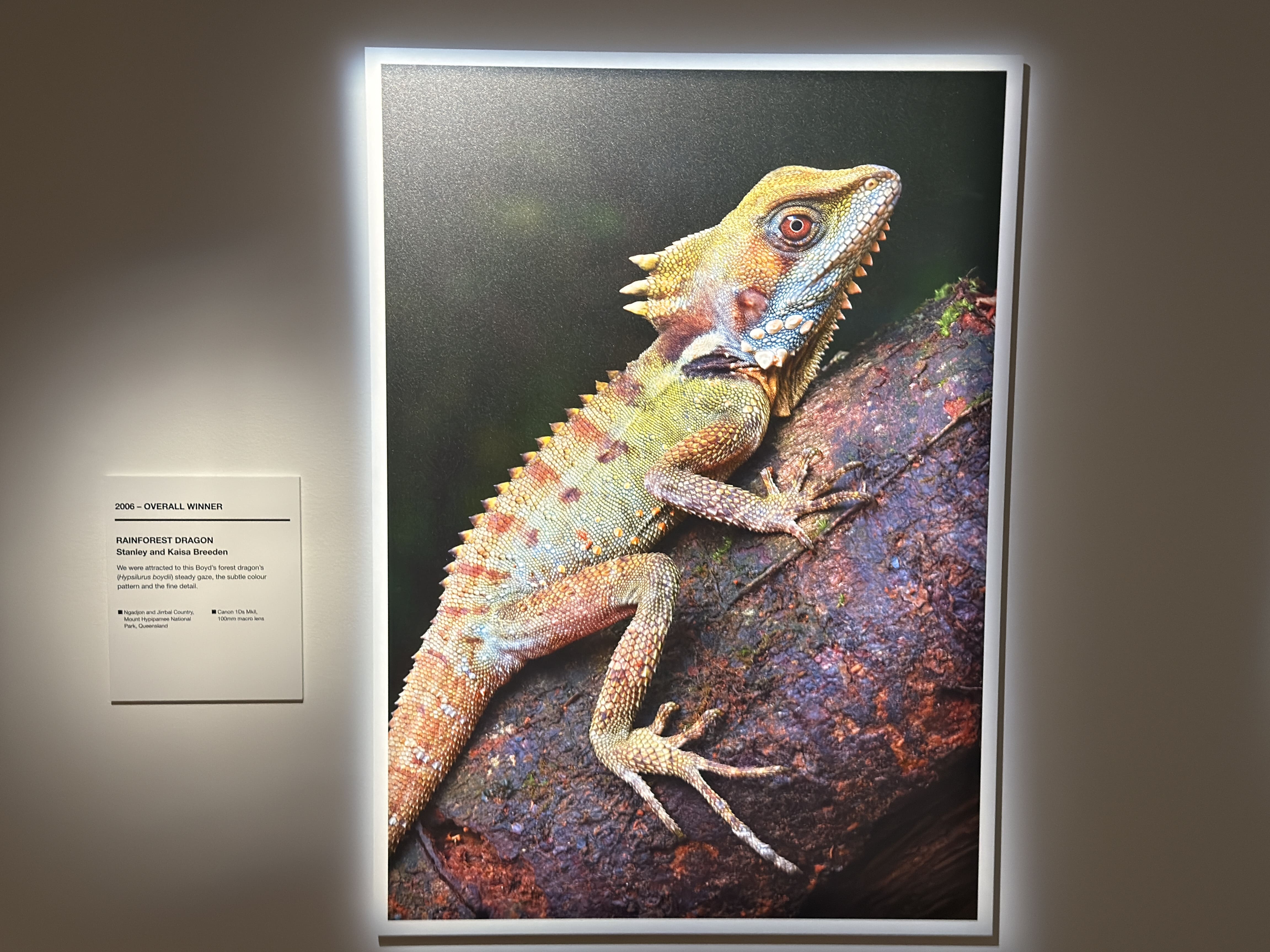
What made this exhibition even more compelling was the storytelling behind each photograph.
The photographs in the exhibition are accompanied by descriptions that explain the context, location, and circumstances in which they were taken. Additionally, the names of the cameras used are readily available, allowing visitors to see the equipment behind each shot.
The exhibition features works that demonstrates the individual efforts of photographers, focusing on their unique perspectives through carefully chosen angles and the precise use of colour.
Surprisingly, many of the quality images had been captured with equipment that wasn’t necessarily high end.

At the center of the hall, a projector continuously played a slideshow of photographs—images that had been submitted over the years but had not won first place.
The projector continuously displays a variety of photos, with people often spending a long time waiting for the background they find most satisfying. The background changes for over 10 minutes, and this device was the main tool of the exhibition to lure people to spend time inside the hall.
A photograph that stood out

This particular photograph’s angle and the techniques used to direct and capture the scene underwater aroused my curiosity. Additionally, it was interesting to consider the direction and intention the photographer had while shooting.
Leaving with memories
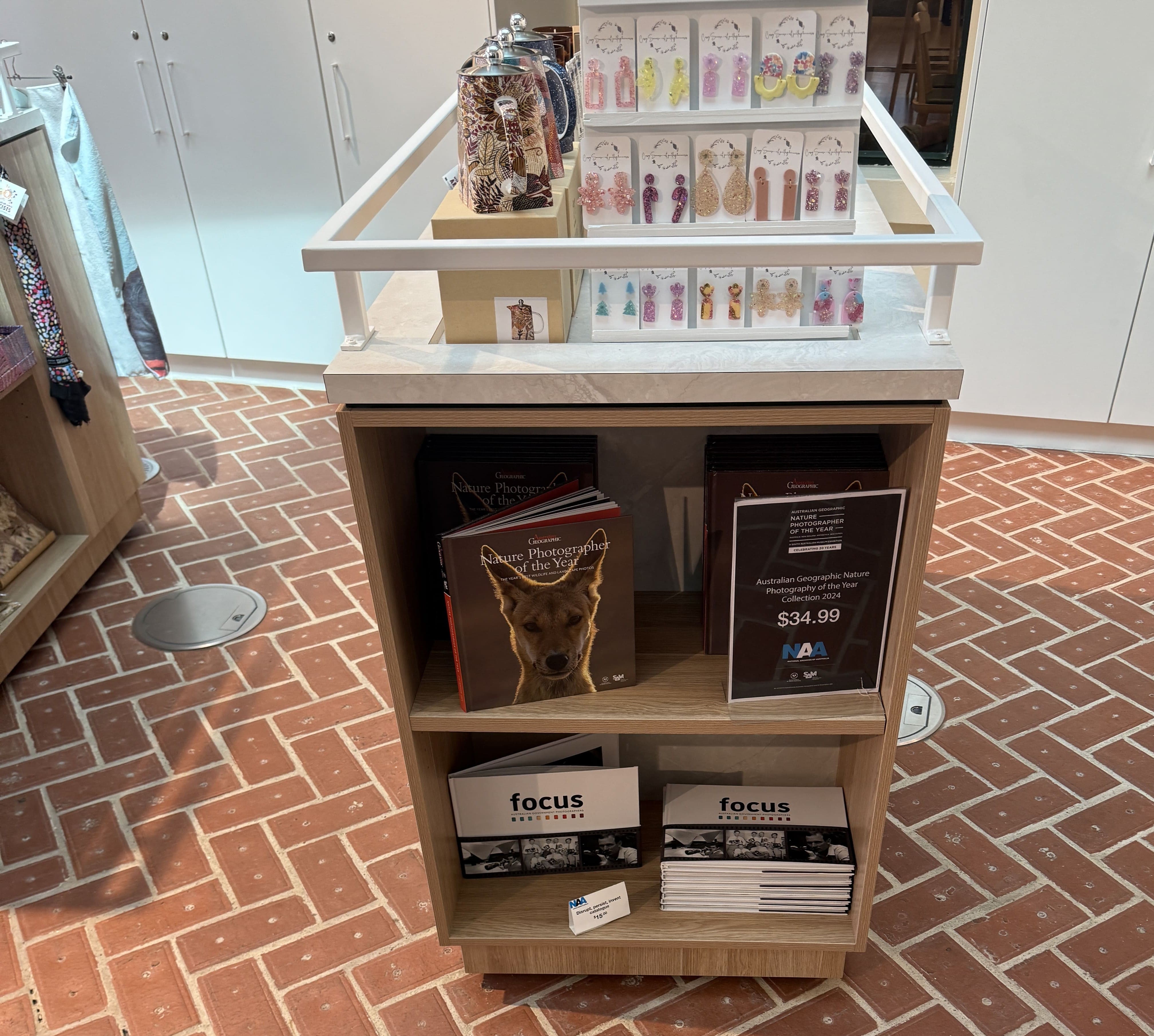
At the entrance of the building there were many goods for sale, including books, posters, key rings, and various other interesting items which could be bought for a keep sake.
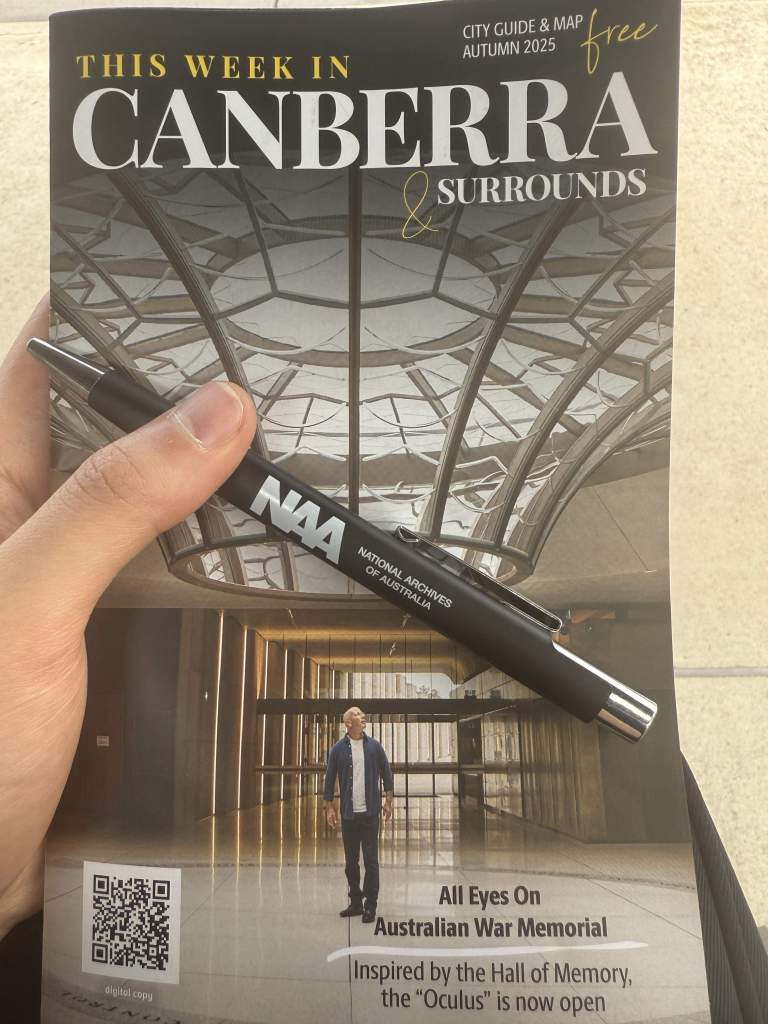
As multiple activities are held in the same building, it attracts a large number of visitors with high numbers on weekends. Therefore, I’d recommended that those planning to visit should avoid weekends and come on weekdays.
Find out more about the National Archives of Australia on their social media here.
Photos by Robin Lee