When I first walked into the Handmade Markets, it smelt vaguely like candles: that waxy, faintly floral scent that tends to hover around stores like Dusk and the candle section in Target.
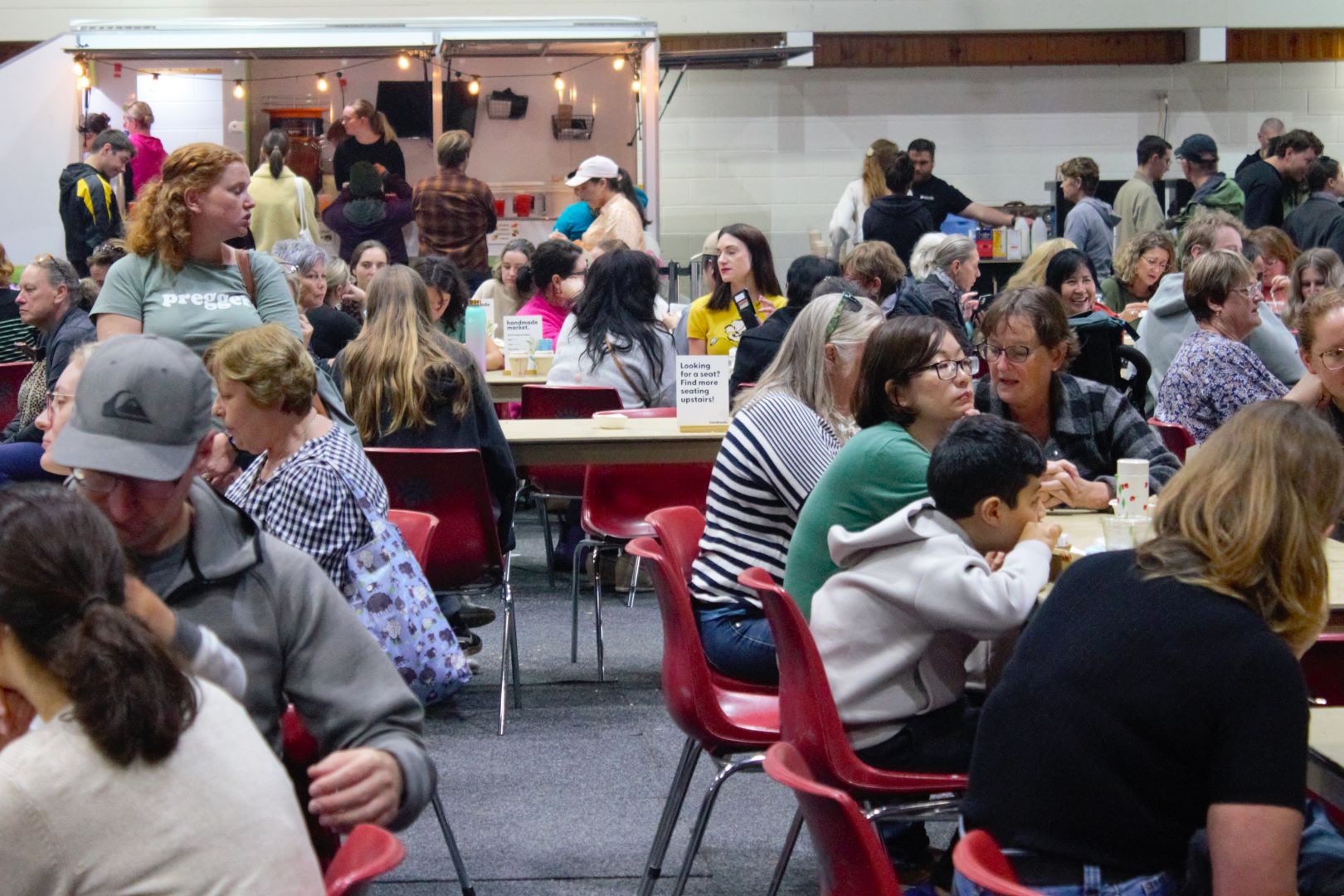
It was around 10:30 am on Saturday, and the crowd was already a decent size. The rain was bucketing down, but it didn’t deter the crowds of shoppers from showing up.
Since 2008, the Canberra Handmade Markets have been a staple for small businesses selling hand-crafted goods.
Things to see (and eat)
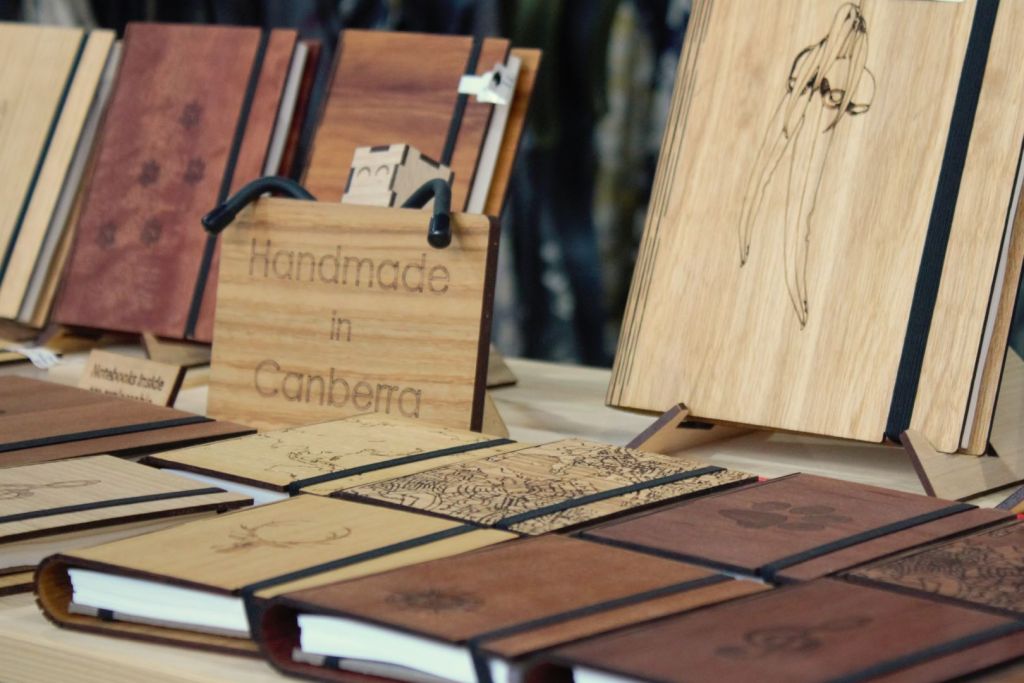
Sellers come from all over Australia—there’s pottery from Wollongong, opal jewellery from outback Queensland, and wooden journal covers from Canberra.
According to their website, the markets have grown too big for more than a few venues, including the Yarralumla Woolshed and the National Convention Centre.

As I wandered around, I chatted to a handful of the vendors. I wanted to know how Canberra shores up in the world of handmade goods.
The overwhelming majority of people I spoke to from outside the ACT region said that the markets were worth the cost of travelling to get there.
Graham Stephenson from Exquisite Treats in Bairnsdale said that the first time he came, he broke even, but since then his sales have only increased.
Laughing, he told me that once customers taste his chocolate, they tend to come back.

The markets are set up across the Conference Centre, Budawang and Coorong buildings at EPIC; three rooms filled with a sprawling grid of stalls.
Conference centre
The Conference Centre at EPIC is the smallest of the three rooms, tucked away between the two bigger Budawang and Coorong buildings.
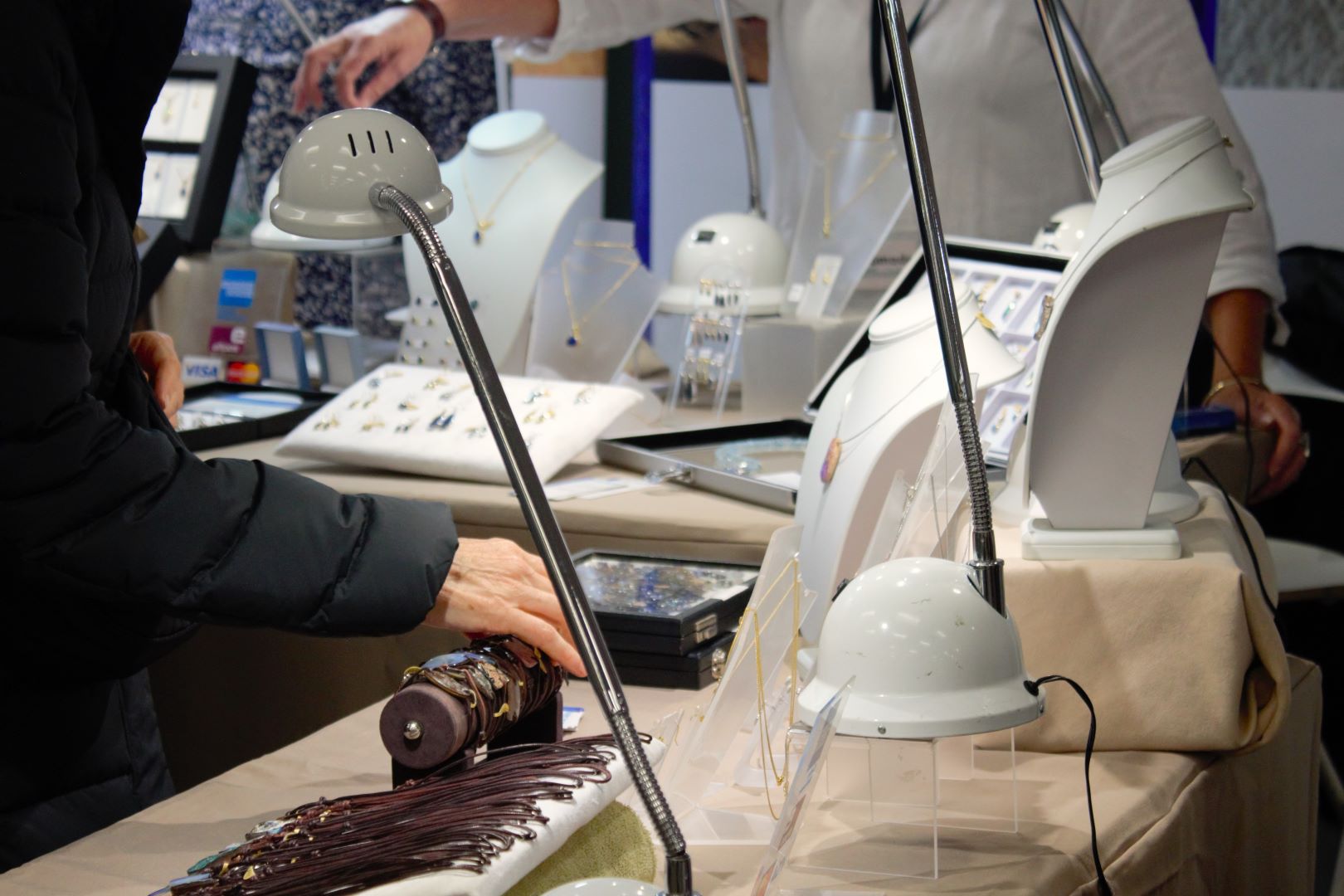
Coming in through the Conference Centre reception, I had a view of the doors into the room across the corridor. Through the open doors, I could see a riot of colour and activity.
Inside the Conference Centre, the carpeted floor made the space feel cosy, and an array of mostly home-related products helped solidify the impression: soap, candles, baby products, pottery, and clothing.
Budawang Pavilion
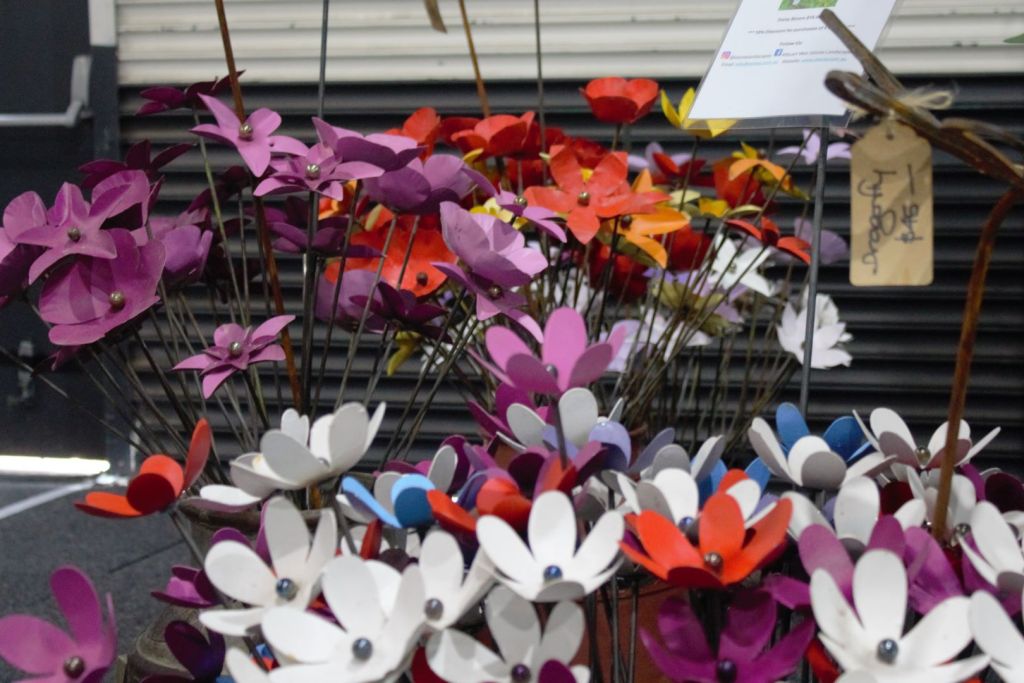
Leaving the Conference Centre, I walked down a sloping corridor towards the Budawang Pavilion. The stalls inside were a collection of homewares, clothing, textiles, landscaping products and art.
It’s a big, airy space, and there was plenty of natural light, even with the overcast sky outside.
The aisles stretched out in front of me, and I had the distinct feeling of an ocean; the crowd seemed to move in waves, collecting in clumps then dissipating again.

I spoke to the people behind I Stone Landscapes, who told me that this is their fifth time coming to the Canberra Handmade Markets. They said it’s the only event they’ll do, because of how well organised it is.
They weren’t the first vendors I had heard that sentiment from, and it isn’t hard to see why.
On their ‘Sell With Us‘ page, the Canberra Handmade Markets offer a number of resources for sellers who register with them. Aside from the physical stall, sellers get a permanent listing on the website directory.
The Handmade Markets offer approved sellers access to resources vital to running a business: information on Search Engine Optimisation (SEO), insurance, and postal services, just to name a few.

I asked Rhiannon, a ceramics artist from Wollongong, how she finds selling in Canberra.
She told me it’s a consistent market, and that for her, Canberra can sometimes be better than Wollongong.
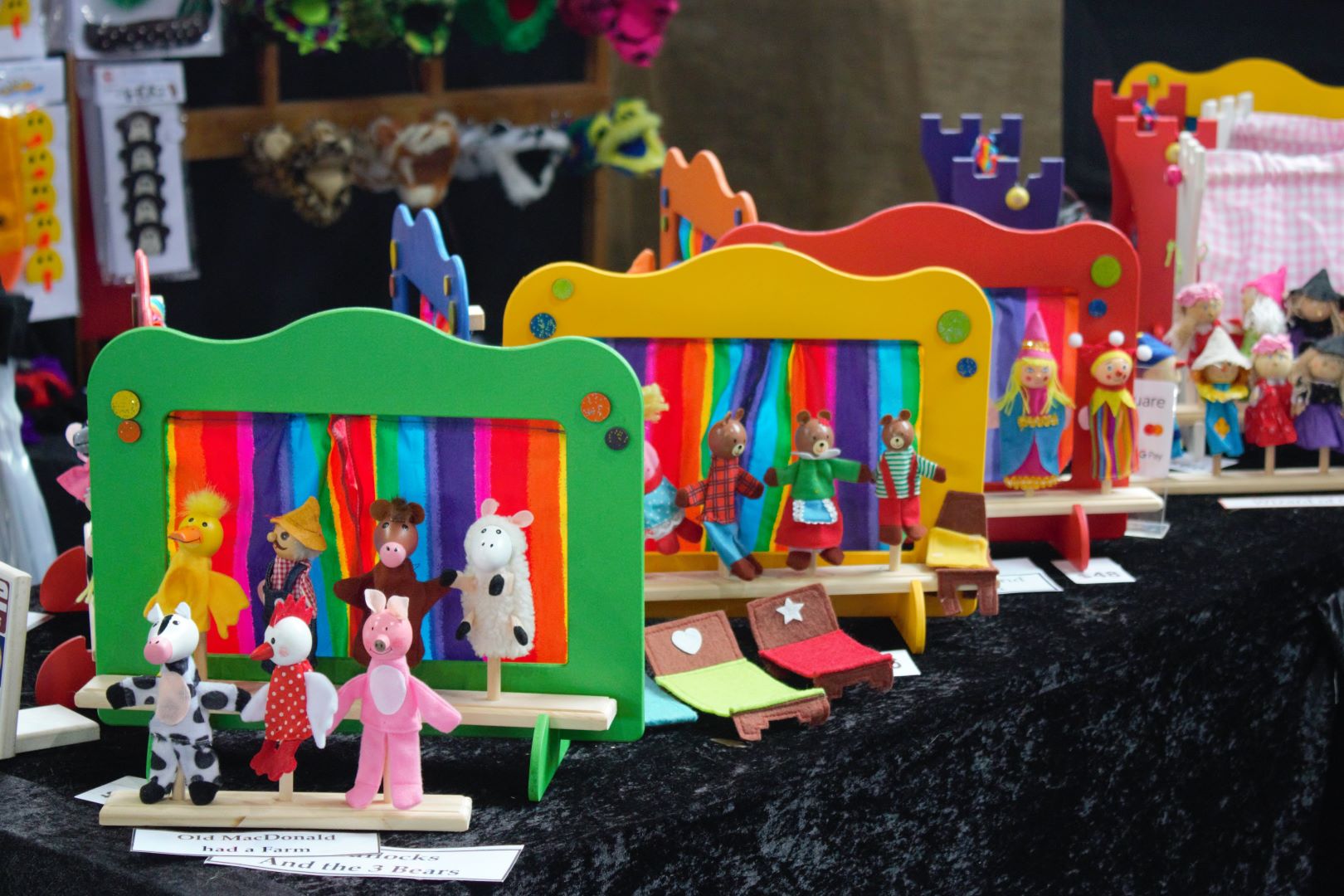
Helen and Rob from Helen’s Hand Puppets said they have been coming to the Canberra Handmade Markets for ten years. They told me that selling is often about the demographic of the area, and that Canberra has the necessary income.
According to the Australian Bureau of Statistics, the ACT had the highest weekly median income in 2023.

Coorong building
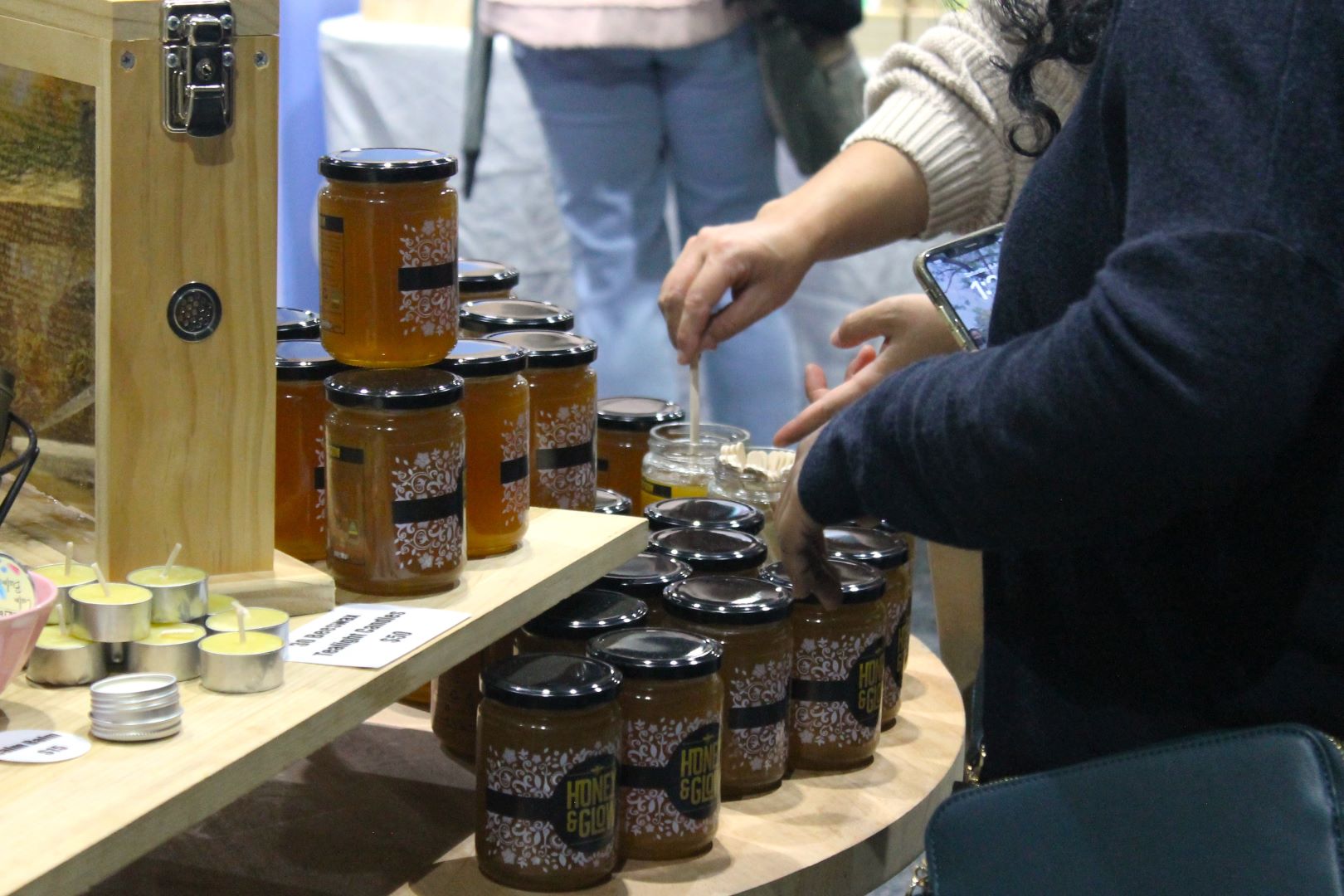
The Coorong Building was the allocated food area, with sweet treats and savoury snacks galore. Boutique lollies, chocolate, pastries, honey—and an aisle dedicated solely to boutique liquor.
The Coorong Building also had an assortment of the kind of food vendors you might find at Floriade, so that’s good news for you potato tornado-lovers out there.
While the Budawang Pavilion had a few smaller seating areas, the Coorong Building allocated a much larger area where you could sit down and eat.
Getting to the markets
As I wandered up and down the liquor aisle, one of the vendors asked if I was interested in tasting a boutique gin, and I regretfully informed him that I was driving and couldn’t partake.
However, if you’re a believer in trying before you buy your liquor, driving isn’t your only option to get to the markets.
EPIC is right beside the light rail route, which makes it particularly convenient if you’re coming from Gungahlin or Civic.
Alternatively, if you fancy more of a walk, the R8 and 50 buses run through Watson, on the other side of the Federal Highway.
When can I go?
The Canberra Handmade Markets are a great opportunity for a day out with friends or the family.
The markets run four times a year, so you won’t need to wait until next April. You’ll find the Handmade Markets back at EPIC on these dates:
- June 29th and 30th
- September 21st and 22nd
- December 13th, 14th and 15th
Julie Nichols, the founder and Director of the markets, said that the April markets are usually the quietest.
If crowds aren’t your thing, and you don’t want to wait until next April, you can register for their low-sensory shopping hour, with dimmer lights and lower levels of sound.
You might be looking for a gift for someone special, to buy Australian-made, or just want to spend a day somewhere interesting.
Whatever it is, the Canberra Handmade Markets have probably got something you’ll enjoy.